Neurodiversity Celebration Week 2026: Personal stories, lived experience and how Essex is building a more neuroinclusive future
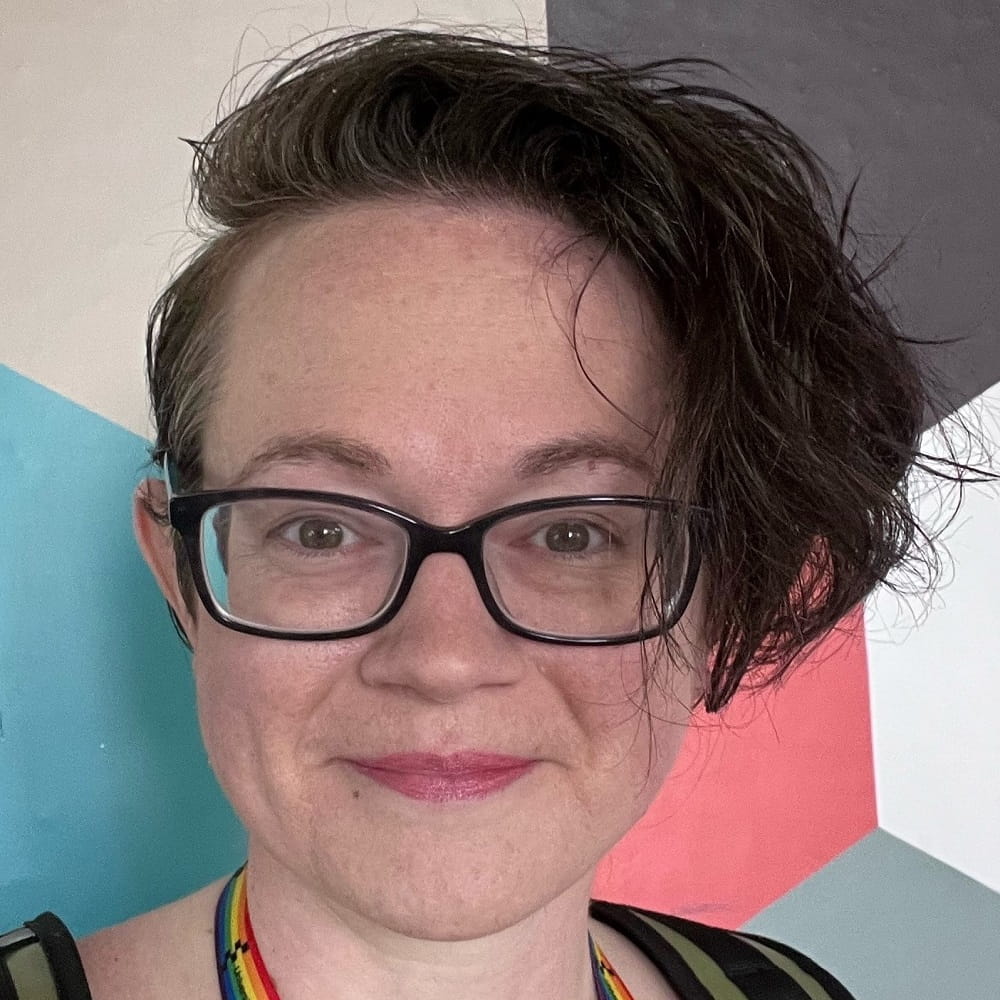
Introduction from Karen A. Bowlby, Inclusion Manager & Chair of the Neurodivergent Staff Support Forum
Neurodiversity Celebration Week is something I look forward to each year. For neurodivergent staff and students here at Essex, it offers a dedicated space not only to pause, reflect and listen, but also to recognise parts of our own stories in the experiences of others - and to feel less alone because of it. Every year, I’m struck by the courage it takes for colleagues to share aspects of themselves that, for many of us, were once hidden away, misunderstood, or dismissed.
My own journey with neurodivergence has been shaped by years of trying to understand why certain things felt harder - or easier - for me than they seemed to be for others. Like many people, and women in particular, I spent a long time navigating these experiences privately, feeling shame when I couldn’t meet expectations, stick to routines, or communicate in ways that made sense to the people around me.
Receiving a diagnosis of Attention Deficit Disorder (without the hyperactivity component) at 39 was a lot to process. But the more I learned about my brain and how it works, the more I was able to understand and manage how I relate to others.
Alongside this came new insight into my family - including the undiagnosed autism in my father - and with it, a deeper understanding of myself.
I am now pretty confident that I have a lived experience of autism as well as ADHD - or what our community often calls AuDHD. That understanding is something I still grapple with, particularly because autism continues to carry what can often feel like a more negative stigma than ADHD. Public perceptions of autism are often shaped by harmful media narratives: from sensationalist reporting on tragic events involving people who happen to be autistic, to reductive portrayals in pop culture (tv shows like The Good Doctor, for example). These portrayals discourage disclosure and reinforce misconceptions about what autism ‘looks like’ and what autistic individuals might, or might not, be capable of.
That’s why the stories that have been shared here matter so much. They show the breadth of neurodivergent experience: the joy, the exhaustion, the clarity, the contradiction, the creativity, the grief, the adaptation, the humour. No two stories are the same, yet together they paint a picture of a University community that is richer for its diversity.
Neurodiversity Celebration Week is also a chance to highlight the real progress being made through our new Neurodiversity Awareness and Training for Managers and other staff members . The early results speak clearly: when people are given the tools and confidence to understand neurodivergence, the whole community benefits. Initiatives like this are vital for breaking down stigma - and that’s one of the most important things we can do to build a genuinely inclusive community.
To everyone who has shared their lived experience here: thank you. Your words will resonate with those who need them most - including people who are only just beginning to make sense of their own stories.
And to all readers: I hope you find inspiration, connection, and perhaps even recognition in these pages. However neurodiversity shows up in your life or your work, you are welcome in this community. If you would like to subscribe to the Neurodivergent Staff Support Forum, please do so on the subscription pages.
- Karen Bowlby, Inclusion Manager, Chair, Neurodivergent Staff Support Forum
Personal stories from Essex staff
- “Jane” - Lived experience of AuDHD, late diagnosis
- Cerys - “Prioritising for you with neurodivergence”
- Vicky - The silence of my fishbowl - an autistic reflection
- Jo - Lived experience, strengths, challenges, and hope
- Vicki - Discovering ADHD and reclaiming self confidence
Training