The life Inside a Log Pile: Supporting Wildlife on Campus
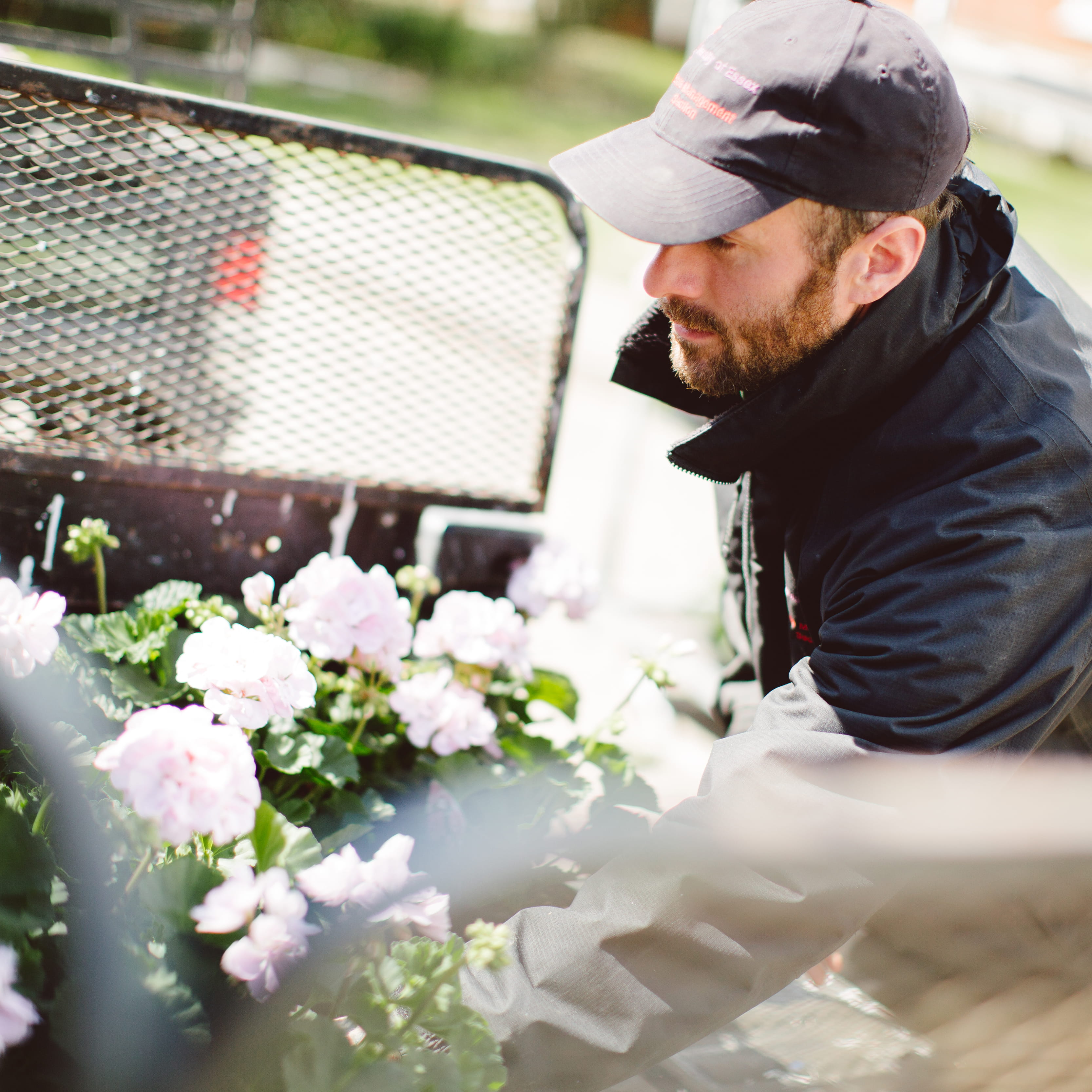
From taking cuttings and growing their own plants to caring for our trees and looking after the lakes on campus, our Grounds team works hard to support our rich wildlife, even the species you might not see.
Wivenhoe Park spans 220 acres and contains eight major habitats, including marshy and acid grasslands, reed beds, woodland, and both eutrophic and mesotrophic lakes. These habitats support an incredible range of wildlife, from insects, amphibians, and reptiles to bats, birds, and fungi.
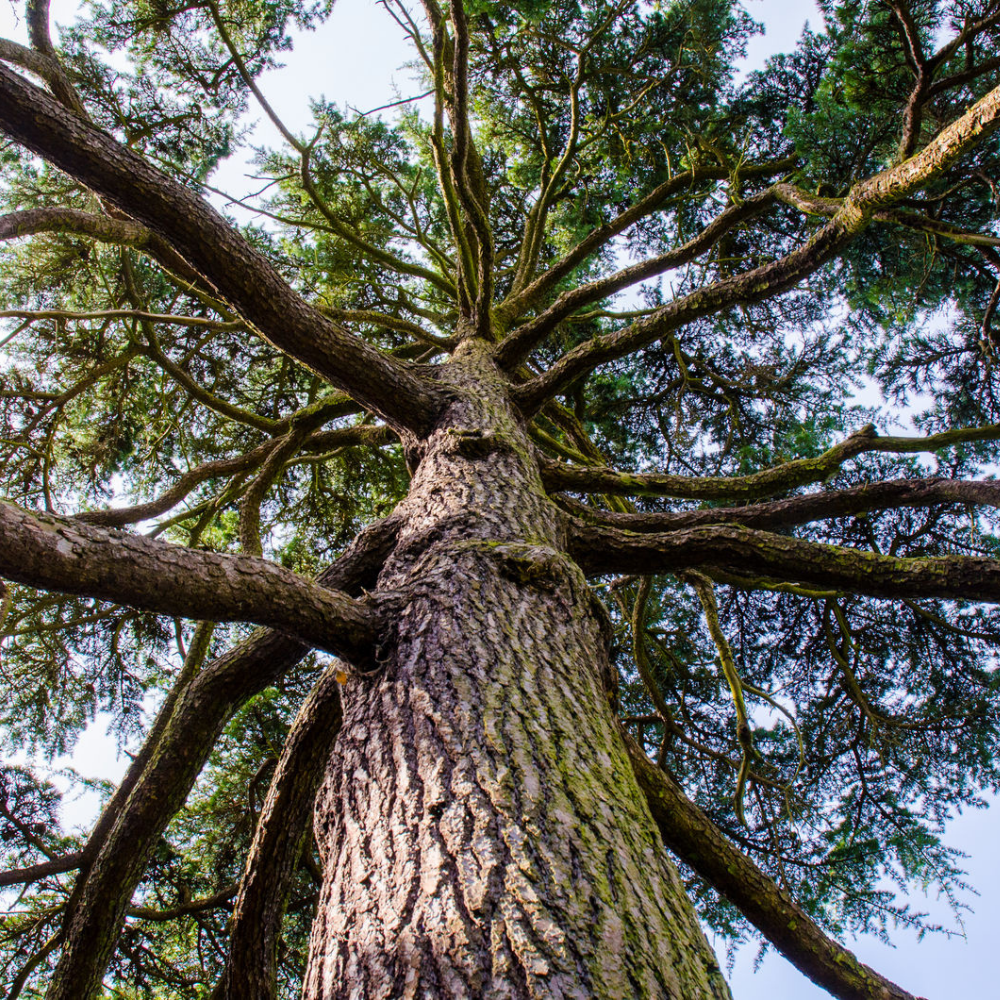
Among this abundance of biodiversity, we are also home to 4,000 trees including 100 veteran trees and 30 ancient trees which makes us a site of national importance. (We even have one of the oldest oaks in Wivenhoe!) These trees are carefully managed by our Grounds team, who prune them to maintain their long term health. Pruning often results in the log piles you may spot around campus, but did you know these log piles have an important purpose?
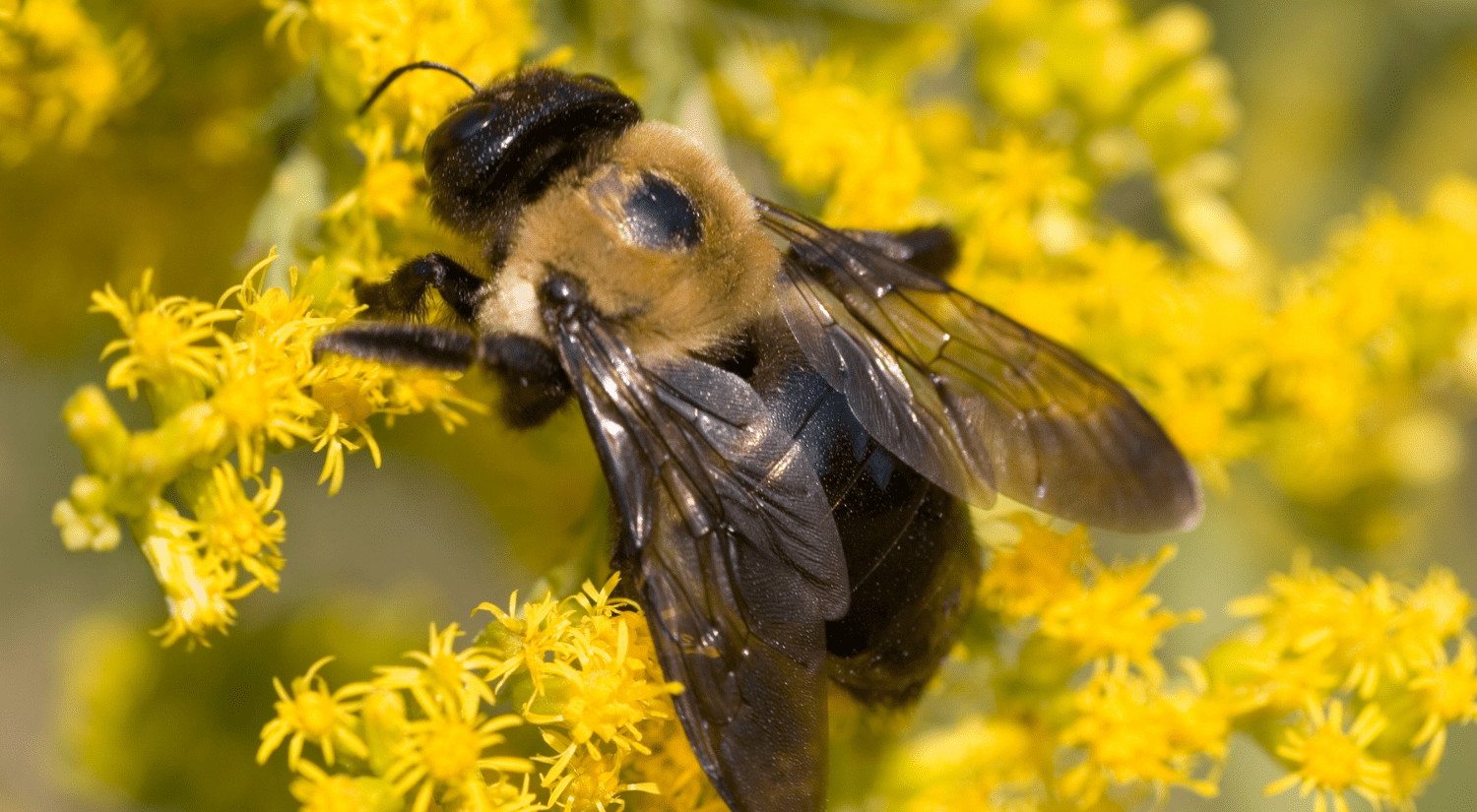
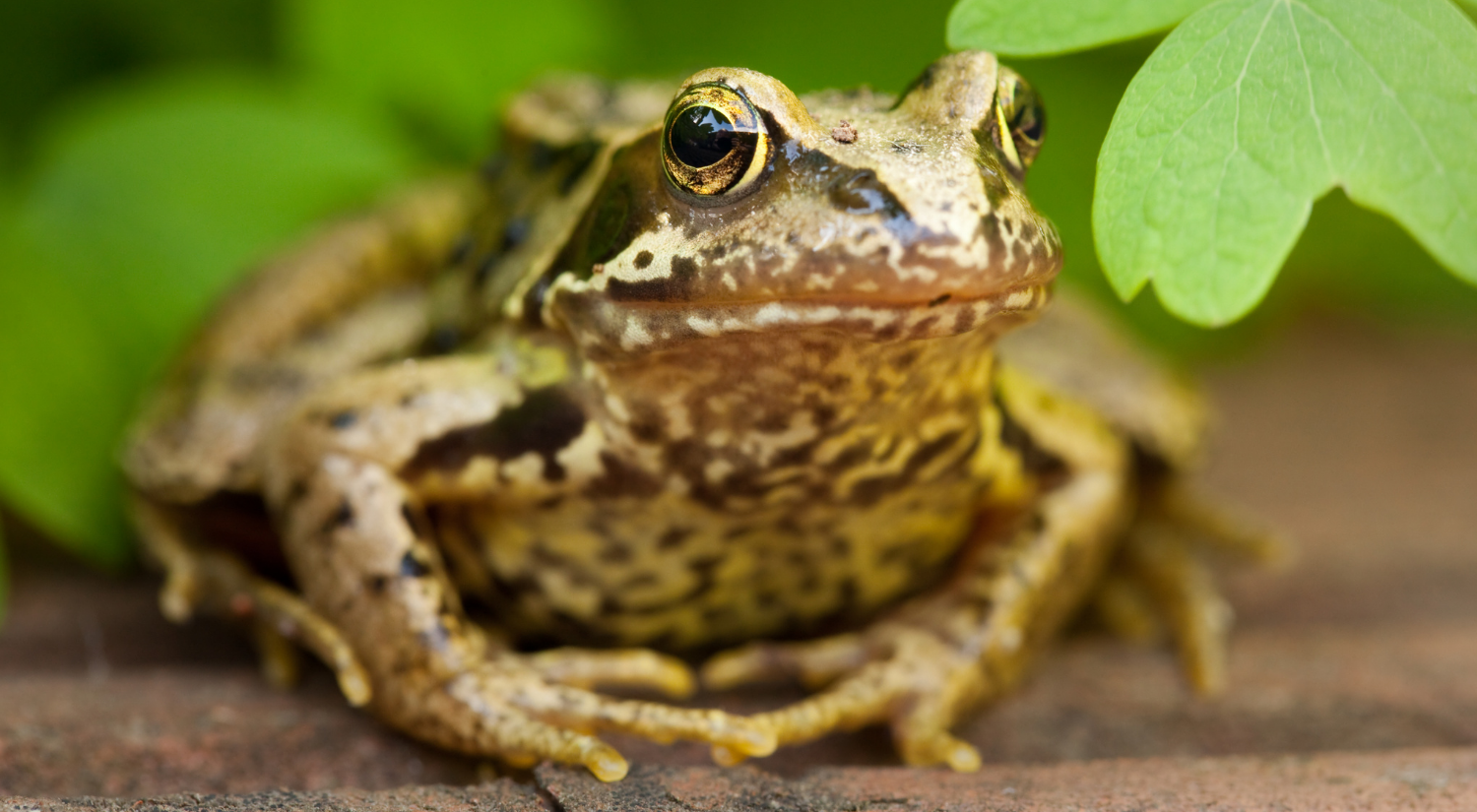
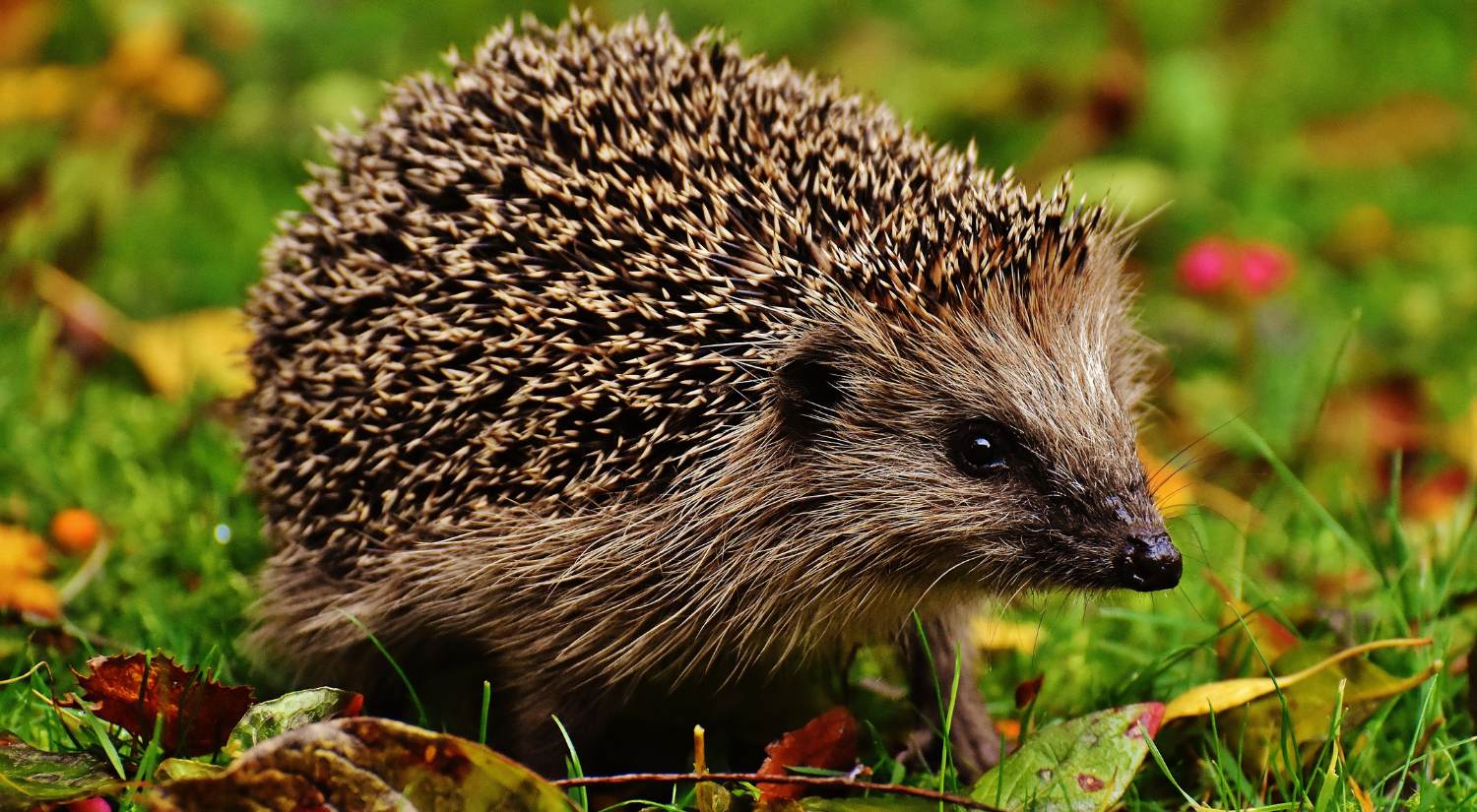
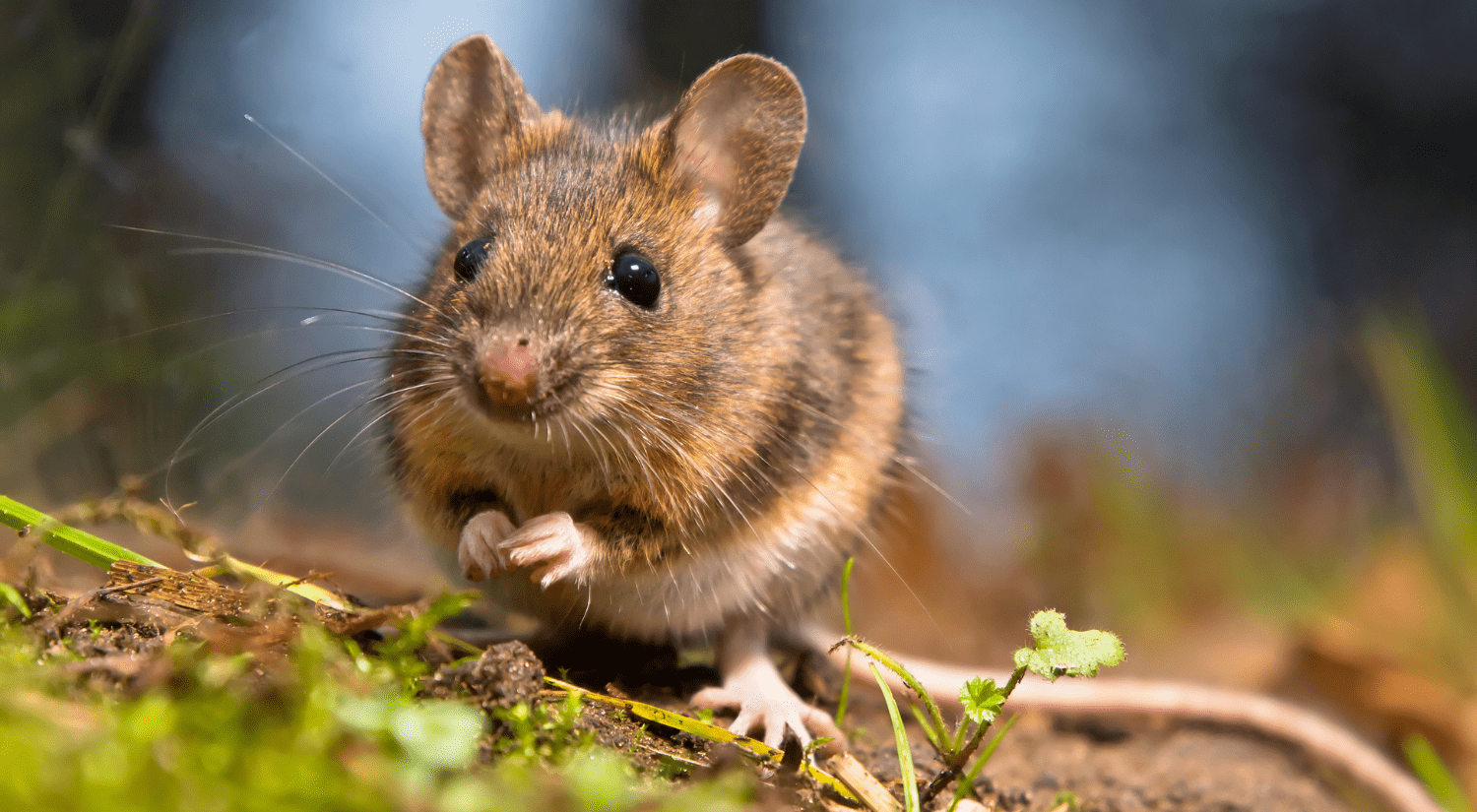
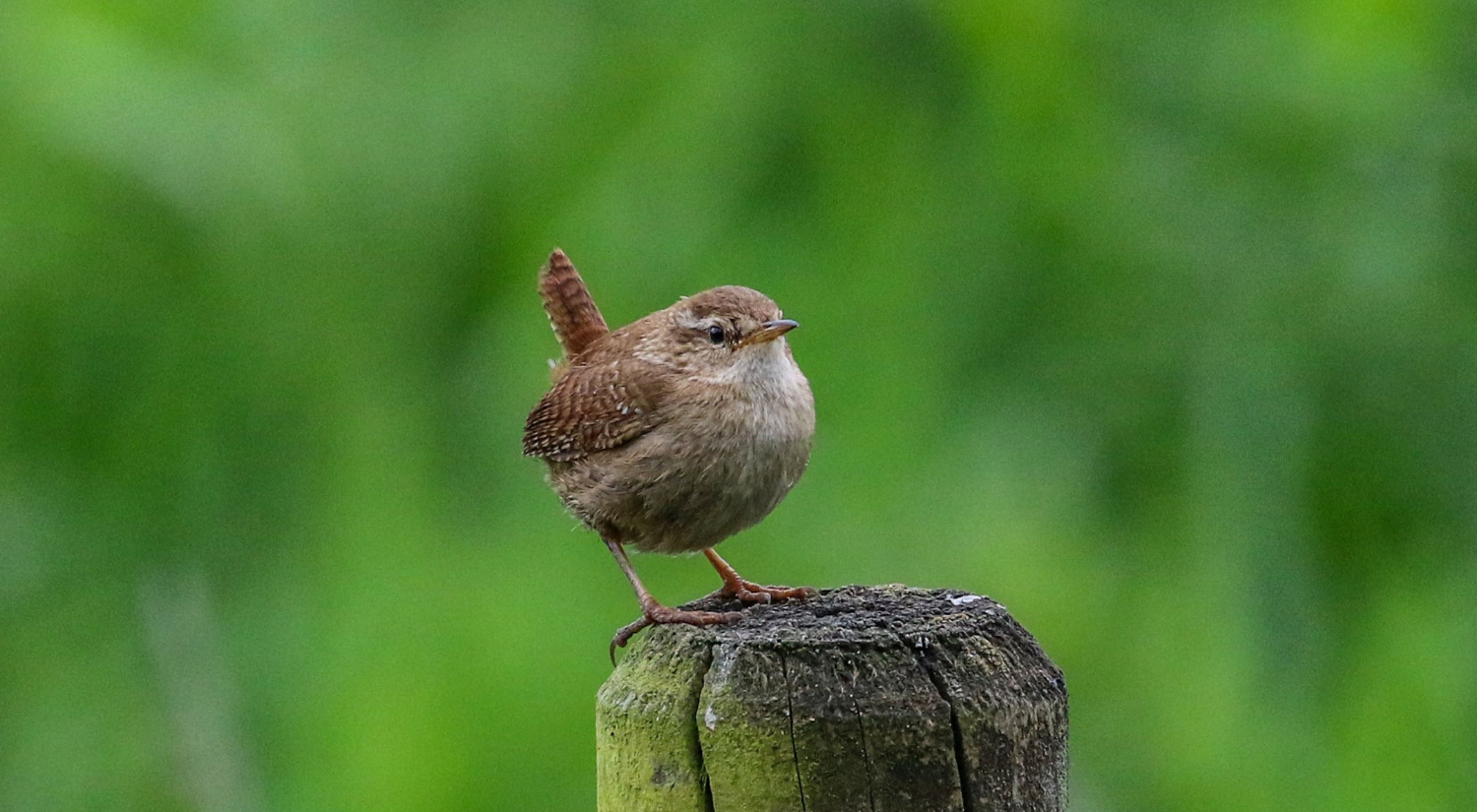
Log piles may look simple, but they’re brilliant for biodiversity. They provide overwintering, hibernation, and breeding sites for small mammals such as mice and hedgehogs. The dead wood also becomes a feeding ground for frogs, toads, insects, birds, and the tiny organisms that break down wood and help keep our soils healthy. Most of the time these log piles seem quiet, as many of their residents use them for shelter. But if you watch carefully, you might be lucky enough to see exploring birds or amphibians and perhaps even the occasional wood mouse or hedgehog emerging at night.
Our Grounds team has many exciting projects happening behind the scenes and works tirelessly to support wildlife across campus. So next time you see a log pile, remember you’re looking at a mini ecosystem helping Essex thrive.