Facilities and services
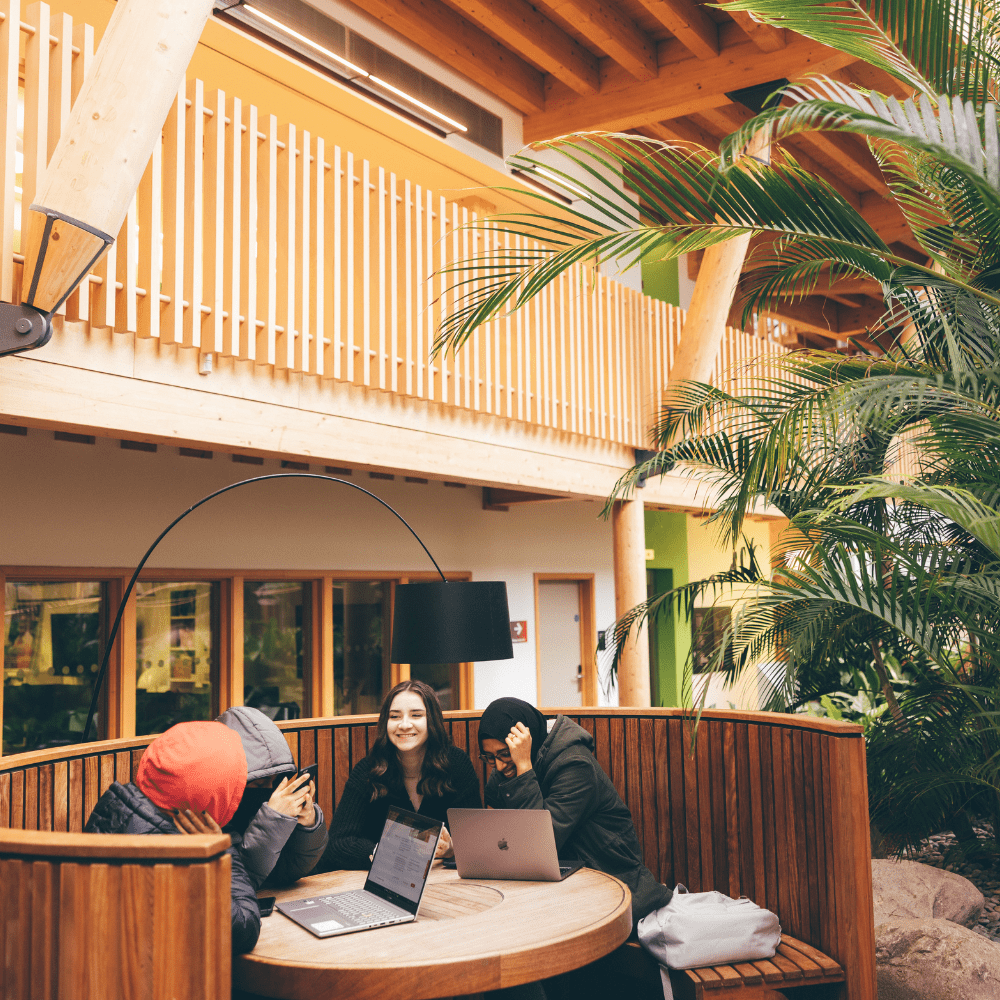
The lab provides shared computational infrastructure, secure environments for processing sensitive health data, and prototyping facilities for wearable/edge devices and VR research. We also host regular research seminars with internal and external speakers, which are open to the broader public.
Research interests and expertise
Our research is encompasses a large number of complementary themes, forming a comprehensive span of digital health solutions. Examples include:
Wearable biosensors & physiological signal processing
The lab showcases expertise in multimodal physiological signals, such as cardiac, respiratory, muscle, brain, and autonomic signals, in terms of acquisition, processing, and development of robust algorithms for use in diagnostic and intelligent decision support systems.
Audio and speech biomarkers
We specialise in the design of AI pipelines for the extraction and use of medically-related audio and speech biomarkers, e.g. from cough, respiratory, and voice analysis, enabling the development of low-cost, low-powered, and remote screening and diagnostic technologies.
Medical image analysis
We specialise in medical image analysis for the detection and quantification of clinical features, such as skin and oral lesion screening, explainable classification and segmentation in multimodal clinical imaging intended for clinical deployment, and multimodal medical imaging feature engineering and extraction for use in the context of broader clinical AI pipelines.
Mental health, affective, and behavioural computing
We combine behavioural, linguistic and physiological signals to detect and monitor mental health, wellbeing, and behavioural biomarkers. Applications include screening, monitoring, and personalised self-management tools for mental health management and the design of effective behavioural interventions.
Privacy-preserving AI, edge & IoT systems
This research focuses on federated and on-device learning, secure watermarking/encryption, and energy-efficient inference to keep sensitive data local and enable deployment in resource-constrained environments.
Rehabilitation & Assistive Technologies
We create interventions for motor and cognitive rehabilitation. Key technologies and skills in the group include neurorehabilitation techniques, robotics, exoskeletons, virtual reality, and closed-loop therapeutic systems integrating real-time physiological feedback for personalised therapy more generally.
Immersive technologies & serious games
We prototype VR/gamified interventions for health education, behaviour change, rehabilitation, and quality-of-life improvements in chronic disease, emphasising accessibility and co-design with users.
Across these themes, we prioritise clinical validation, explainability, reproducibility, and real-world impact and scalability.
3.png?mw=300)