Exploring the circular economy from accounting and regulatory perspectives
Sustainable Transitions - Exploring the circular economy from accounting and regulatory perspectives - Leverhulme Doctoral Training Programme 2026-27
Details
Project area title: Exploring the circular economy from accounting and regulatory perspectives
Course: Applicants wanting to undertake this research project should apply for a PhD in Accounting
Funding: The University of Essex is offering seven PhD research scholarships for students to participate in a range of Sustainable Transitions DTP projects.
Overview
This is an opportunity to conduct fully funded interdisciplinary research under the Sustainable Transitions Leverhulme Doctoral Training Programme at the University of Essex.
The impact of climate change on human lives, livelihoods and ecosystems is well documented in broader sustainability literature and there are greater calls to address these ‘wicked’ (i.e., environmental and social) problems to achieve the UN’s Sustainable Development Goals. These challenges highlight the need for stronger regulatory institutions, multi-stakeholder coordination, and long-term policy frameworks capable of steering societies towards resource-efficiency.
The current linear economic model has been contributing to the cheap mass (off-shore) production of electronics, clothing, and other goods, increasing consumption, industrial emissions and record levels of waste. This raises two important questions – whether the current level of production, consumption and trade is sustainable and whether there is any alternative economic model. The circular economy (CE) has emerged as a new and potential alternative economic model which is aimed at limiting the negative environmental impacts, reducing the use of finite materials resources and achieving sustainable economic growth.
This project will analyse the issues related to the circular economy, its adoption and implementation in business, and the role of accounting, accountability, and regulation in the transition from the linear economic model to a circular economy. Incorporating insights from environmental governance and political economy, the study will explore how institutional structures, power dynamics, regulatory frameworks, and accountability mechanisms shape CE practices and outcomes.
Interdisciplinary focus
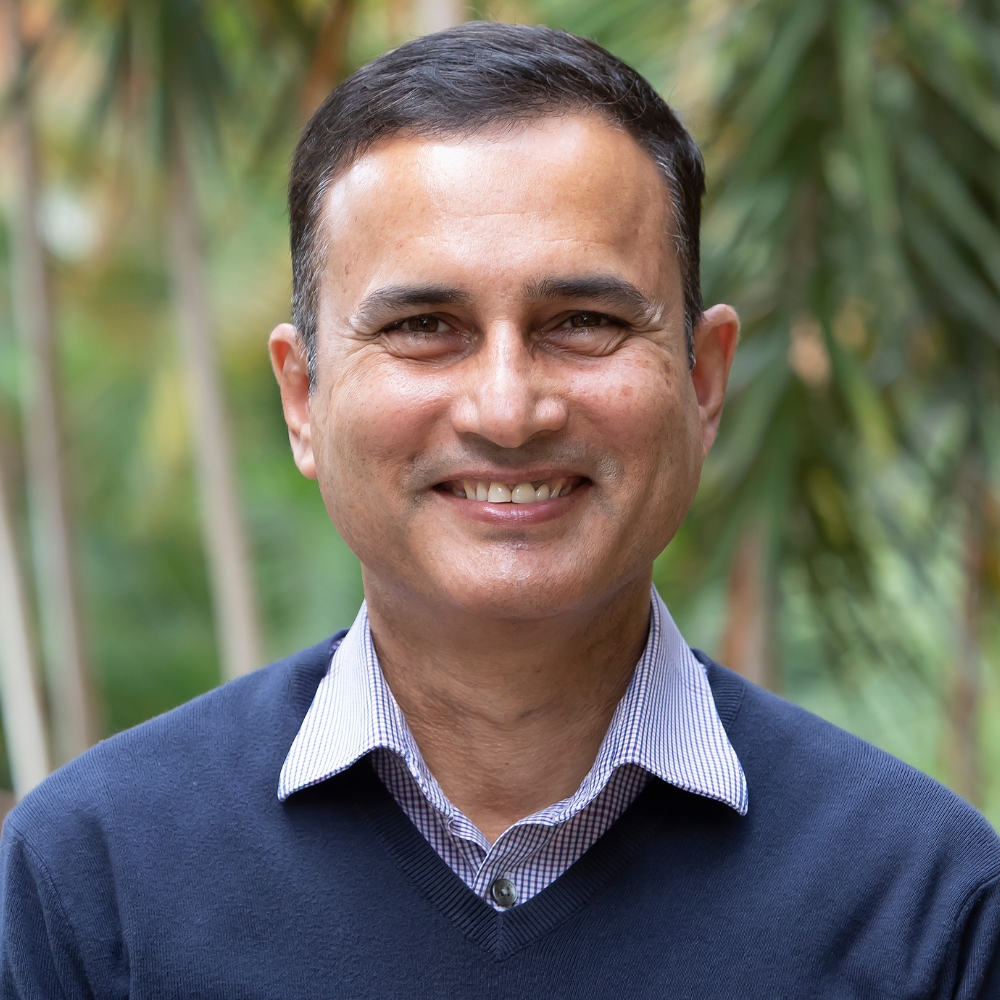
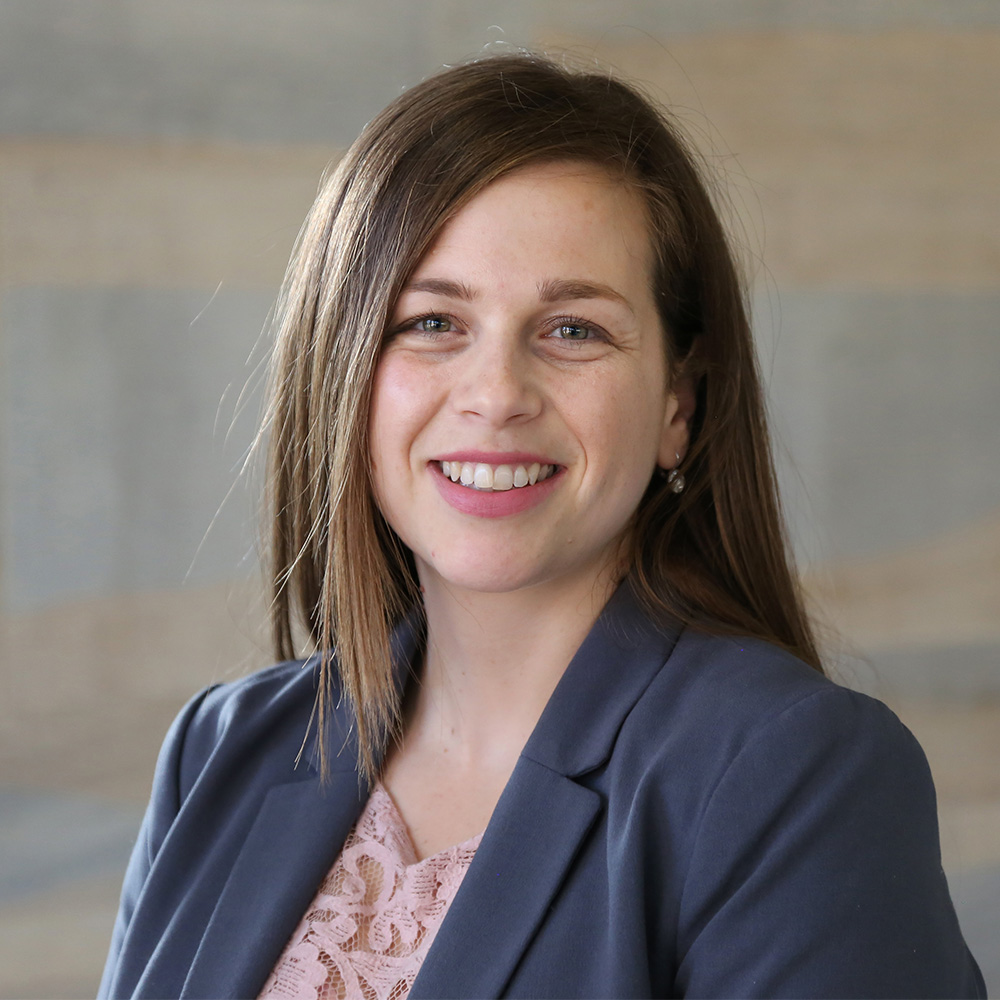
By taking an interdisciplinary approach, you will explore and analyse the issues related to circular economy, sustainability and accountability from a business perspective (supervised by Dr. Upadhaya) and how this intersects with, or informs, the current national/global regulatory landscape regarding the adoption and implementation of a circular economy in the organisational context (supervised by Dr Bakaki ) using either qualitative or quantitative or mixed-methods (i.e., a mix of both - quantitative and qualitative) approach.
Training and support
You will be supported through the Sustainable Transitions training programme which provides initial training in interdisciplinary research methods, training in the secondary discipline within the project area and ongoing training throughout the duration of the programme. All doctoral scholars benefit from the support of Proficio, which entitles you to £2,500 that can be used to purchase training courses either within or external to the University.
Additionally Sustainable Transitions scholars are entitled to £10,000 that can be used to cover research costs and further training. Scholars are encouraged to audit masters and degree level course where appropriate. You will also have the support of the Sustainable Transitions management team, as well as your own supervisory team. All Sustainable Transitions scholars will become part of the University of Essex Centre for Environment and Society through which ongoing events and networking opportunities are available.
Person specification
This opportunity would suit a candidate with a UK Masters’ degree (or equivalent) / background in business/ management/ accounting with an interest in environmental politics, including in relation to environmental political economy.
It is not necessary for the applicant to have prior knowledge or experience in the field of political science as that will be provided on the programme
Research proposal
The project area is broadly defined, leaving scope for the applicant to develop their own specific research proposal as part of the application. The successful candidate will further develop their proposal in close consultation with the supervisory team.
Supervision
The primary discipline supervisor takes the lead responsibility for supervising the project. For further detail relating to supervision see the Guidance for Applicants (.docx) document.
Additional background information
The circular economy (CE) has emerged as a new and potential key alternative economic model which is aimed at limiting the negative environmental impacts, reducing the use of finite materials resources and achieving sustainable economic growth. While CE has received a significant attention in the broader academic literature, interest in CE is also found in trends in government, business and society. However, adoption and implementation of CE principles appear to be complex as the transition from linear (take-make-dispose) model of economy to circular (reduce and reuse material, repair products and recycle) economy may require a systematic shift in the business models including new visions, strategies and fundamental redesign of products and service offerings, redefining value, and even change in revenue, performance and reporting models. Such transformation may also require change in national and global policies, regulations and accounting and accountability principals as the current policies and practices are designed for (also aimed at promoting) a linear economy. While a few studies have explored the concepts and practices of CE (e.g., technical, social and environmental aspects), research integrating accounting, accountability and regulatory or institutional perspectives on CE adoption and implementation, especially in the organizational context appears to be still at infancy. Therefore, this research aims to enhance our limited understanding of the drivers and barriers of CE adoption and implementation and the role of accounting, accountability and regulation to facilitate a transition from a linear economy to a CE business model.
Aims and objectives
- The research will focus on CE adoption and implementation especially in the organisational context. In particular, this study will seek to:
- Explore the drivers and barriers of CE adoption and implementation;
- Examine the role of accounting, accountability and regulation in terms of linear to CE transition; and
- Make a contribution to knowledge in the field of interdisciplinary research (i.e., accounting, accountability and environmental political economy).
How to Apply
Full details available at Sustainable Transitions Leverhulme Doctoral Training Programme.
Supervisory team references
- Wijethilake, C., Adhikari, P. and Upadhaya, B. (2024). Regulatory capture in transboundary waste dumping: (Lack of) accountability in the Global North – South context. Organization & Environment, 37(1), 84-116.
- Wijethilake, C., Upadhaya, B. and Lama, T., (2023). The role of organisational culture in organisational change towards sustainability: Evidence from the garment manufacturing industry. Production Planning and Control. 34 (3), 275-294.
- Bakaki, Z., Böhmelt, T. and Ward, H., 2022. Carbon emission performance and regime type: The role of inequality. Global Environmental Politics, 22(2): 156-179.
- Kalatzi Pantera, D., Böhmelt, T. and Bakaki, Z., 2023. The transnational influence of natural disasters on environmental attitudes. European Journal of Political Research, 62(3): 761-780.