School of Language, Literature, and Media

Masters

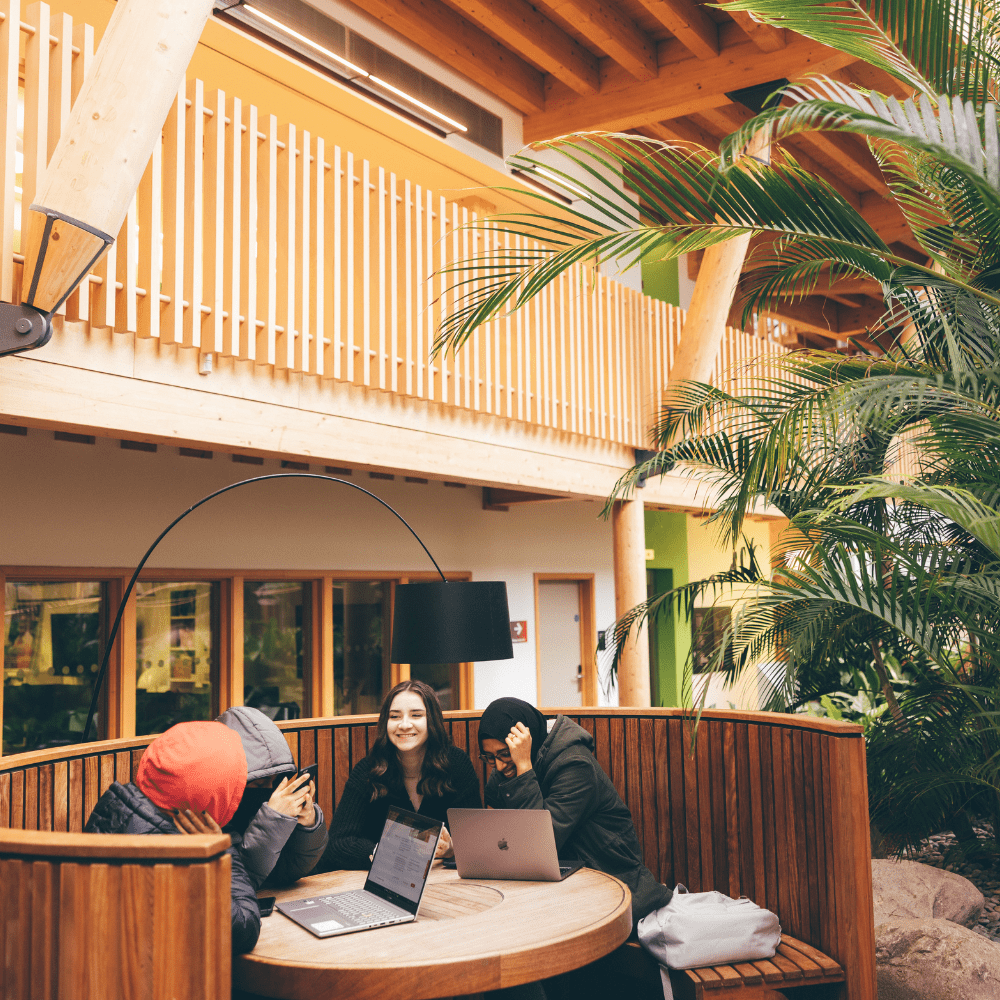
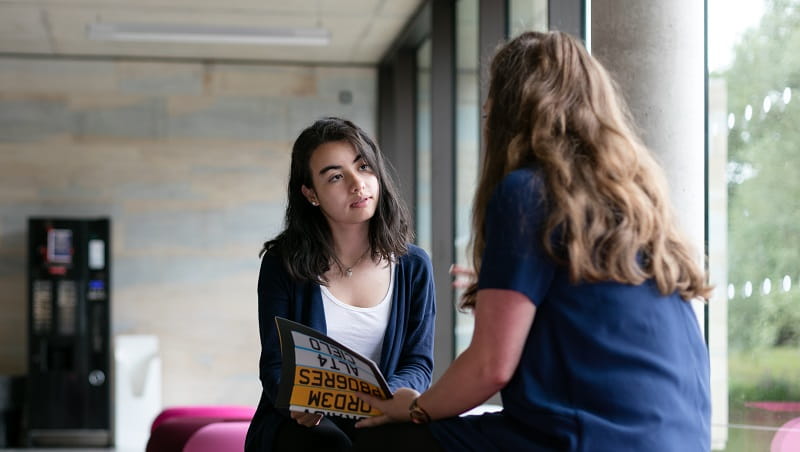
Student in a translation hub

Mastering language, literature, media, and the creative industries

For any student looking for a more in-depth understanding of creative writing, drama, film studies, languages, linguistics, literature, or journalism, an MA course with us is the natural next step.

These courses are taught by leading researchers and practitioners in their fields. Our staff include internationally renowned scholars of linguistics, language, and literature, award-winning journalists, and acclaimed filmmakers and authors.

You will benefit from small classes allowing for intensive, personalised teaching, as well as a range of high-quality facilities, including a cinema and a theatre both located on campus. Students also have access to an industry-standard media suite, our Speech Systems Lab featuring phonetic (sound-proof recording, speech aerodynamics) and psycholinguistic (eye-tracking, EEG) instruments, and our Interpreting Lab featuring United Nations-style interpreting booths and subtitling software.

How we rank
  • 3rd in the UK for modern languages and linguistics research quality (Grade Point Average, Research Excellence Framework 2021)
  • 1st in the UK for drama (The Guardian University Guide 2026)
  • Top 200 for linguistics in the QS World University Rankings by Subject 2026

Your development

How we teach and support your learning

Small classes

Each module you study typically involves at least 2 hours of teaching per week, often through a combination of lectures and seminars or workshops.

Outside of teaching you are expected to dedicate time to self-directed study, putting into practice the skills and techniques you are learning in the classroom and preparing ahead of your next class. You will have access to our departmental facilities as well as campus study spaces and the Albert Sloman library.

Tailor your degree

Many of our Masters courses include a selection of optional modules, which let you tailor your degree to match your interests and career aspirations. Linguists can choose to learn more about teaching English as a foreign language or language development across the lifespan, while film studies students can try their hand at script writing, and creative writing students can uncover the links between journalism and telling a good story.

Part-time degrees

Many of our Masters degrees can be undertaken on a part-time basis, so you can study over two years instead of one. This is particularly helpful for those who are in paid work alongside their studies (for example, as part of a career change) or for those who have caring responsibilities and other commitments.

You will still have access to the same facilities and support. You will simply undertake half your modules in your first year, and the other half (including your dissertation) in your second year.

How we develop your future career

Masterclasses and workshops

Throughout the year we carry out masterclasses and workshops with guest experts from outside the university. These activities give you an opportunity to expand your skills and practice through alternative viewpoints, allowing a more diverse experience which you can draw on in your future work.

Portfolio development

Our Masters courses let you build up a portfolio of work that showcases the depth and breadth of your experiences with us. Our optional modules mean that you may have the chance to test out writing in different genres or for different media, or try different types of filmmaking.

Graduate talks

We love to keep in touch with our previous students, many of whom now have incredible career stories to tell. That's why we host regular talks by our graduates as they share their journey with you.

Our graduate talks have showcased speakers from diverse industries, including:

  • Internal Communications Manager, Architas AXA Wealth
  • Commissioning Editor, Cambridge University Press & Assessment
  • Service Manager for children with disabilities, Surrey County Council
  • Minister-Counsellor for Economic Affairs, British Embassy Warsaw
  • Company founders, Succulent Theatre Company

University career support for life

When you join the University of Essex, you can access bespoke career support throughout your studies. From crafting the perfect C.V. to making your first LinkedIn profile, the Career Service will coach and advise you.

The support does not end after you graduate - you can access the Careers Service for the rest of your life post-graduation.


Visit the Careers Service

Benefit from staff expertise

Our experts

Our staff are active practitioners in their fields. From linguists uncovering how language triggers family conflicts to published writers and filmmakers, you will benefit from being taught by experts who understand the goals you wish to achieve from your degree.

Beyond our School

Depending your course you may also have some access to experts in other departments. Some of our module teaching is shared with related departments, such the Department of Sociology and Criminology, and the School of Philosophical, Historical and Interdisciplinary Studies. This means that you have an interdisciplinary experience, which gives alternative insights and inspirations in your work and helps build your network outside of our School.

Publications

Our staff often feature in high-profile media outlets and have published many fascinating articles, including:

Clare Mcvicar
Class of 2025: Clare Mcvicar

For single mum-of-two Clare Mcvicar, who graduated with an MA Creative Writing, returning to university was a challenge but encouragement from her family and inspirational lecturers helped her succeed.

Read more about Clare's MA experience

Your experience

Join an incredible network and supportive postgraduate community

The School of Language, Literature, and Media is home to a diverse staff and student community. Our members come from across the world to study and work here. We provide a welcoming environment with bespoke support services for our postgraduate community, including: 

Dedicated resources for international students

Our School is home to many international students. The University provides a bespoke support service for international students to help with visas, student finance, language support, and much more.


Learn more about international study at Essex 

University student support services

Studying for a masters can be challenging, so the University provides a range of student support services you can access during your time with us. You might need help with finance, mental or physical health, childcare, or international study. Whatever your need, the student services hub will support and guide you.


View student support services

Enjoy cutting-edge facilities

Audiovisual equipment

Our students have access to a range of audiovisual equipment on Colchester campus including:

  • Newsroom, television and radio studios
  • University Media Centre
  • Film screening at Cine10

Laboratories for language and linguistics experiments

The School of Language, Literature, and Media houses state-of-the-art facilities unique in the East of England. Businesses, students, and researchers use our facilities for everything from cutting-edge research to large-scale multilingual business conferences - and so can you!

For example, you can use the multilingual conference facilities to practice your translation and interpreting skills, try the latest translation software, and use the interpreting booths.


Discover our laboratories and facilities

An incredible University library

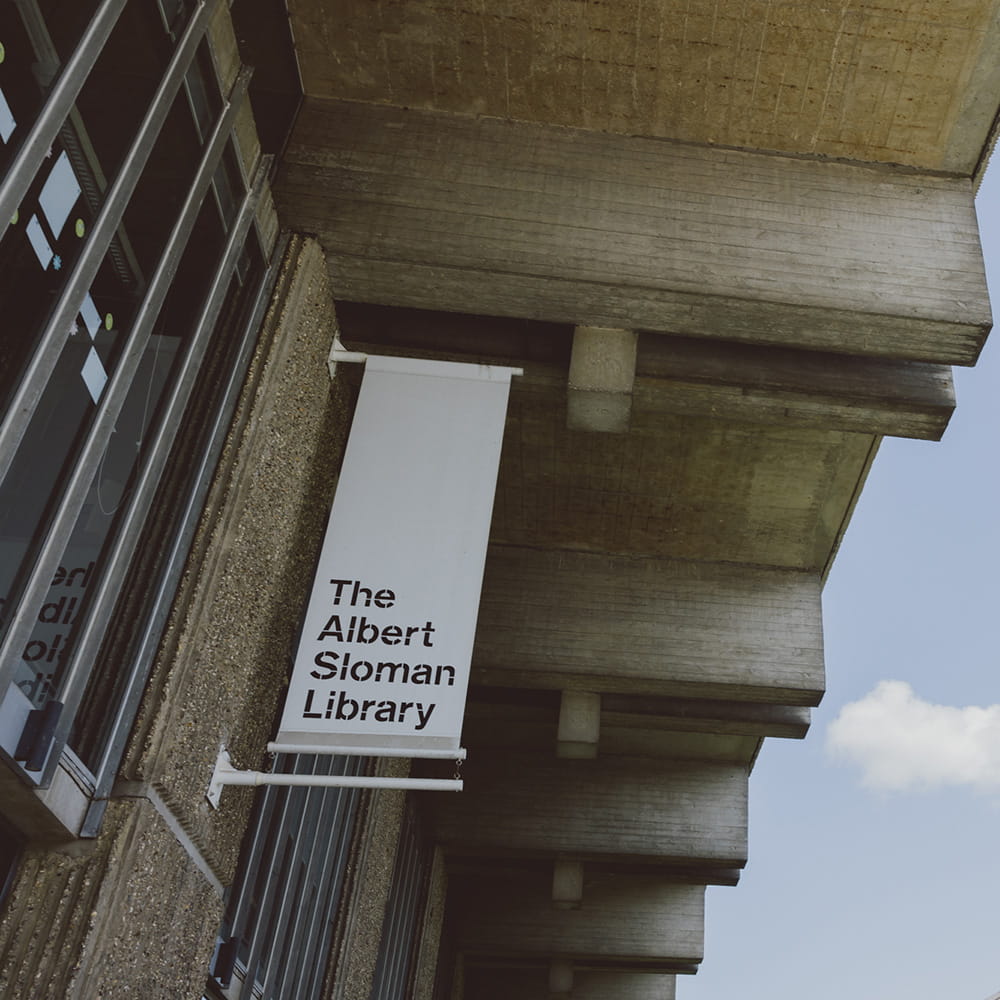
The Albert Sloman Library provides students from the School of Language, Literature, and Media with many study resources, including:

  • A dedicated Liaison Librarian to help you find the library resources you need
  • A subject guide to help you navigate language and linguistics material
  • Access to archival Special Collections, including the John Alec Baker Archive.

Visit the Albert Sloman Library

The Spicer Library and TEFL Resource Room

The School has a dedicated space for language, linguistics, and Teaching English as a Foreign Language (TEFL) research. Originally known as the Spicer Library and founded in 1982 by Professor Sam Spicer, a collection began with books purchased and donated by Professor Sam Spicer himself.

Since the 1980s, the Spicer Library & TEFL Resource Room has grown into a fascinating space reserved for students of languages and linguistics. Today, the library functions as a self-study space for students of the School and contains many resources for Teaching English as a Foreign Language students.

Fantastic campus facilities

When you become a student at the University of Essex, you can access a wide range of campus facilities, including:

  • A first-class gym with sports classes and team sports
  • A media studio for making and editing professional films
  • A campus cinema showcasing the latest blockbusters
  • 200 acres of award-winning parkland to explore

Explore our campus facilities

Take part in extra-curricular events and activities

Events for aspiring entrepreneurs

Thinking of launching your own business? Essex Startups host a wide range of events including business boot camps and networking sessions. Receive guidance through every stage of starting and growing your business.

SU societies

The societies run by our Students' Union are open to all students. These range from the Arts & Crafts and Theatre Arts societies, to the Bookish society and Travel society.

University-hosted events

The University hosts a lively calendar of events for all to enjoy - from mindfulness classes, comedy nights, and study skills workshops to big nights out. We've got a busy calendar of exciting events on campus all year round.

Meet your lecturers

wild flowers in a field
60 Stories: Writing the natural world

There is a climate emergency and humankind’s relationship with the natural world is in crisis.  By combining literature with new ways of exploring landscape and the environment, we are revealing how art can play a vital role in healing the rift between people and our planet.

Read the story
Hands holding a mobile phone
Get in touch
Dr Daniel O'Brien Head of Admissions for the School of Language, Literature, and Media
login