Lessons from the Heart of Global Health
"Standing at the heart of global decision-making in Geneva reminded me that global health is not just about policy or data, it is about courage, equity, and shared responsibility."
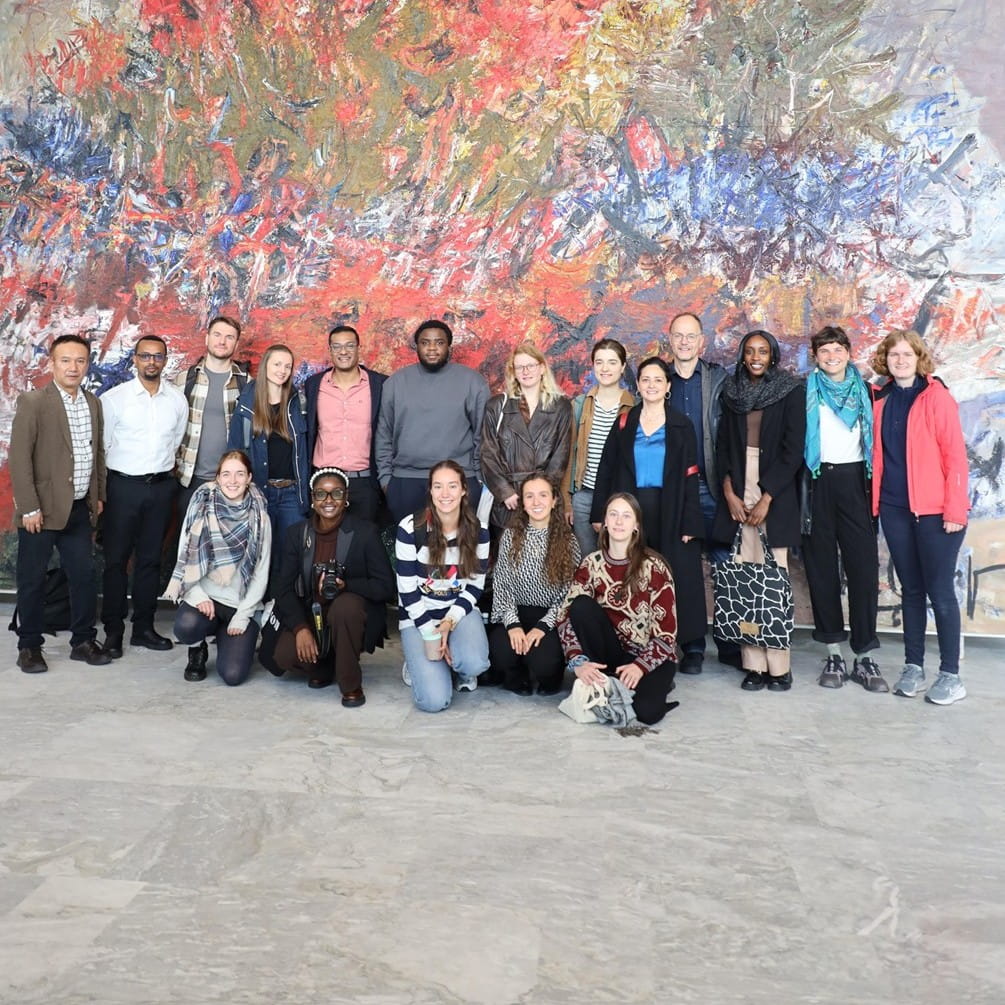
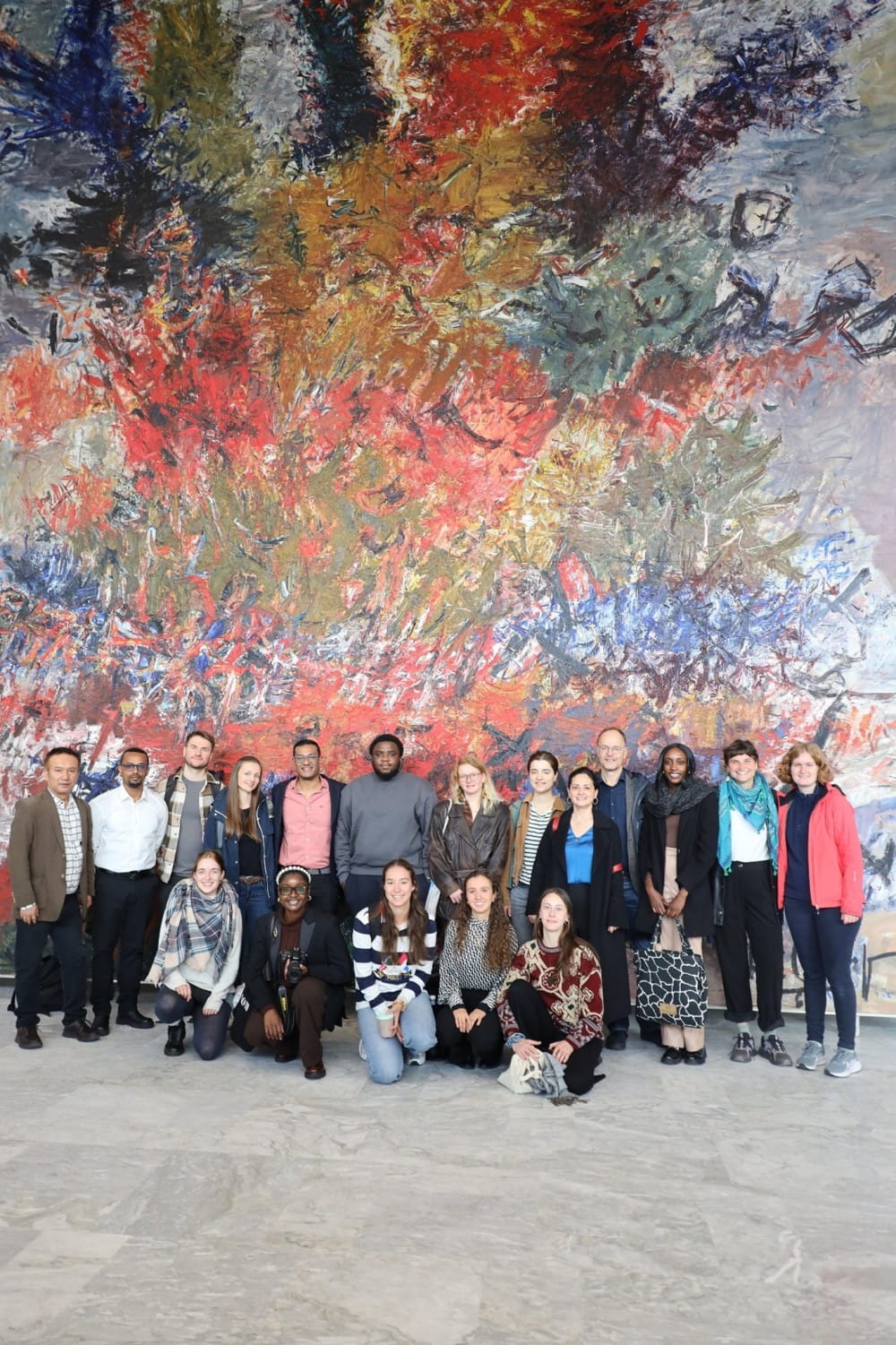
From 8 to 11 October 2025, as part of my research fellowship with the Centre for Global Health and Intersectional Equity Research (CGHIER) at the University of Essex, I joined a study excursion to Geneva, Switzerland, the world’s diplomatic hub for health, humanitarian affairs, and scientific innovation. Led by Professor Anuj Kapilashrami (University of Essex) and Professor Michael Knipper (University of Giessen), the visit brought together a multidisciplinary team of students and scholars eager to see how the ideals of global health equity are translated into institutional realities. What unfolded over four intense and inspiring days was an experience that bridged theory and practice, reinforcing both the complexity and the promise of global health governance.
Day 1: Humanitarian Roots: The ICRC Museum
Our exploration began at the International Committee of the Red Cross and Red Crescent (ICRC) Museum, a powerful starting point that grounded the trip in the ethical and humanitarian foundations of global health. The museum’s exhibits narrated decades of humanitarian response, resilience, and neutrality in conflict. One display that left a lasting impression told the story of the ICRC’s efforts to reunite over 20,000 children separated during the Rwandan genocide.
For me, this was not just history; it was a reminder that compassion and impartial service form the moral backbone of health work in fragile contexts. Having worked in maternal and child health in Ethiopia’s conflict-affected regions, I found the ICRC’s legacy deeply resonant. It reminded me that in global health, impact is measured not only by policies and metrics, but by humanity’s ability to restore dignity amid devastation.
Day 2: Global Health Governance in Practice: WHO and IOM
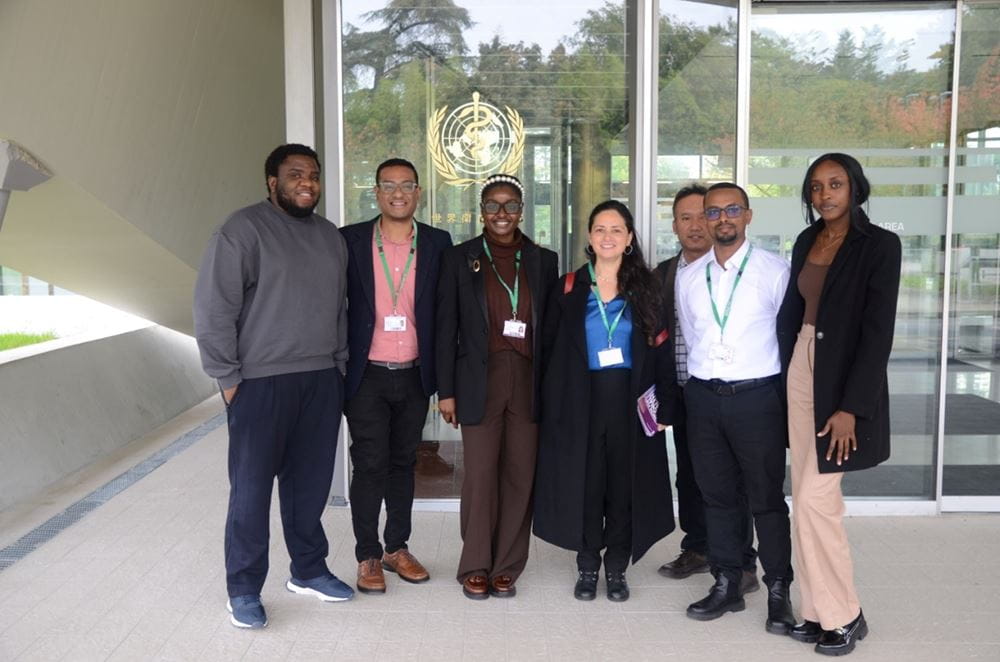
Our second day took us into the institutional heart of the World Health Organization (WHO), where we engaged in a series of sessions that highlighted both the achievements and the constraints of global health governance. Dorine van der Wal opened with a discussion on the mechanisms that anchor WHO’s legal and regulatory power, the International Health Regulations (IHR), the Pandemic Accord, and the Framework Convention on Tobacco Control. She also spoke passionately about WHO’s commitment to cultivating young leadership, an encouraging sign for those of us hoping to shape the next generation of global health practice. However, her reflections on budgetary instability and donor dependency served as a sober reminder of how political and financial pressures continue to shape health priorities worldwide.
The conversation deepened with a presentation by Aasa Mari Nihlén and Christina Pallitto on Sexual and Reproductive Health and Rights (SRHR). Their focus on female genital mutilation (FGM) and the politics of sexual health right underscored how deeply entrenched gender inequities remain. This session echoed many of the ethical debates within my own research, especially how health interventions must address the structural roots of vulnerability, not just its clinical manifestations.
Later, Claudia Marotta guided us through an insightful discussion on migration and health. Coming from a background in analysing policies on migration health in South Asia, a region primarily of ‘sending states’, I found it enlightening to hear perspectives from Europe’s ‘receiving states’ such as Italy. The contrast illuminated migration as a shared human challenge that defies borders and calls for mutual understanding.
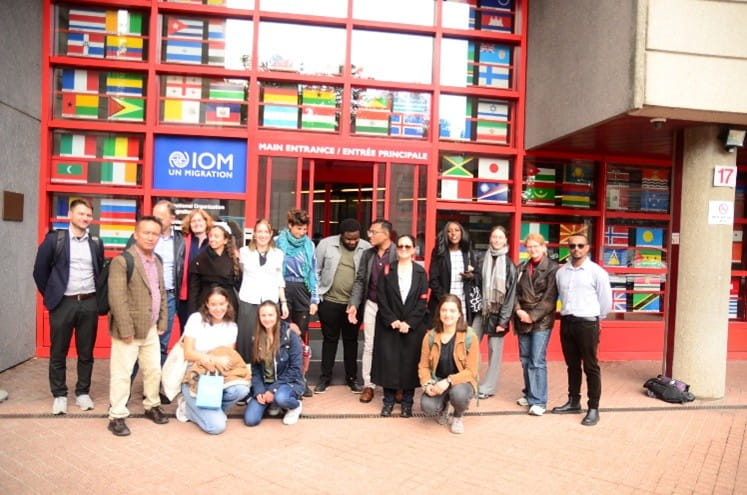
The afternoon took us to the International Organization for Migration (IOM), where Aleksandar Arnikov introduced the Migration Health Department’s multi-layered approach to migrant wellbeing, spanning health assessments, border and mobility management, and emergency public health. Arnikov’s openness about the current realities of underfunding and inter-agency coordination delays revealed the operational challenges beneath policy rhetoric. The day concluded with a lively group dinner over traditional Swiss fondue, a huge symbolic gesture of fellowship after a day of rigorous learning and honest dialogue.
Day 3: Disease Eradication, Social Determinants, and the United Nations
Friday took us back to WHO. It began with a forward-looking session by Oliver Rosenbauer on global efforts to eradicate polio. While polio is endemic only in Afghanistan and Pakistan, Rosenbauer reminded us that vigilance, surveillance, and community engagement remain critical. The discussion highlighted how the final stages of eradication are often the hardest, requiring sustained political will and local ownership even as global attention decreases.
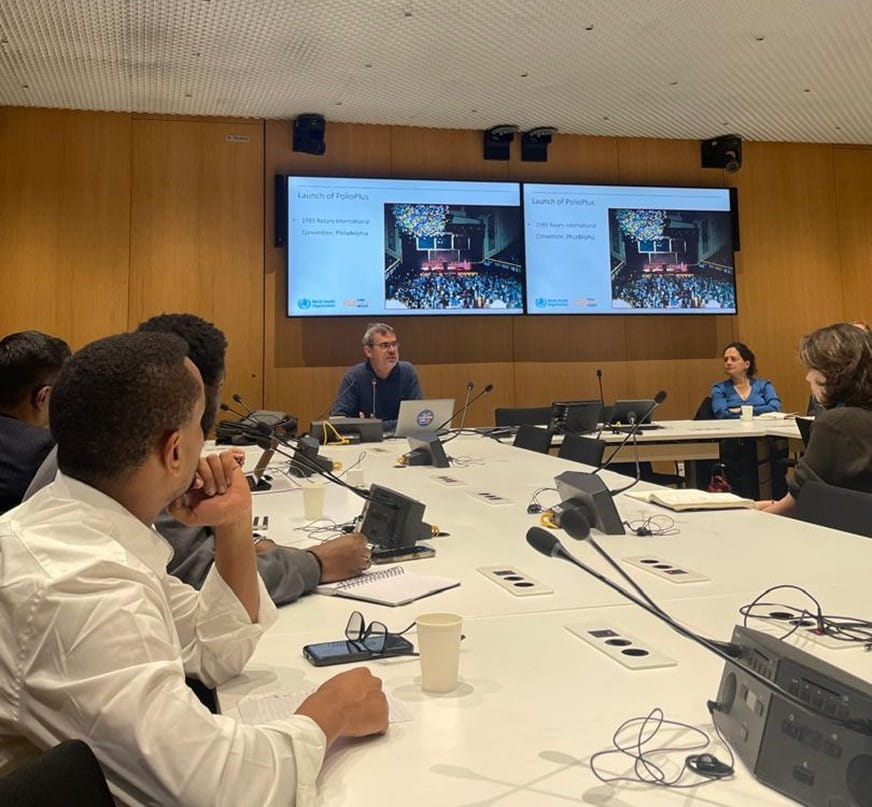
Next, Tauhidul Islam reframed tuberculosis (TB) as “a social disease with medical complications.” His analysis of social determinants like poverty, overcrowding, and inequality was a powerful reminder that health outcomes are rarely biomedical alone. For many of us from low- and middle-income country contexts, his framing reaffirmed what experience already teaches: investment on addressing upstream factors in equity is the most effective form of disease control.
The afternoon took us on a guided tour of the Palais des Nations, the symbolic seat of the United Nations. Walking through its grand halls, we absorbed the history of international diplomacy and the vision that built it. Standing in the assembly hall where so many defining debates have taken place, I was reminded that the pursuit of global equity is never linear but it is always worth the effort. The UN remains a symbol of cooperation, even when consensus feels fragile.
Day 4: Innovation and Curiosity: CERN
Our final day offered an unexpected yet fitting conclusion at CERN, the European Organization for Nuclear Research. The visit embodied the scientific curiosity and collaborative spirit essential to progress. CERN’s interactive exhibits showcased not just technological innovation but the culture of open inquiry that fuels discovery. It was a reminder that whether in particle physics or public health, meaningful advancement depends on imagination, teamwork, and the courage to challenge convention.
Balancing learning, reflection, and connection
Across the four days, the programme achieved a rare balance between structured engagement and relaxed reflection. Conversations with colleagues from the University of Giessen and prospective medical students added depth to the learning, reminding us that global health is sustained through networks of shared curiosity and solidarity. Moments outside formal sessions such as standing before Geneva’s Jet d’Eau fountain or reflecting over dinner, reinforced the personal dimension of professional growth. They reminded me that leadership in global health is as much about listening and empathy as it is about technical expertise.
Representing the University of Essex on a global stage
The excursion also carried institutional significance. As fellows of the University of Essex, we represented not only our own research interests but the university’s broader commitment to global engagement and equity-driven scholarship. Our presence in Geneva demonstrated Essex’s growing visibility in international health policy circles and its emphasis on intersectional, practice-based learning. Such exposure fosters meaningful academic partnerships while inspiring new cohorts to pursue careers that blend rigour with impact.
Confronting global health realities with optimism
The conversations throughout the visit underscored the multiple pressures currently facing global health: deepening funding cuts, ongoing geopolitical conflicts, and the resurgence of vaccine scepticism in both the Global North and South. Yet amidst these challenges, I found a renewed sense of optimism. Institutions and individuals alike are recognising the need for alignment around shared threats; disease, inequity, and misinformation. The experience in Geneva reaffirmed my belief that global health’s greatest strength lies in its ability to unite diverse actors around a common moral purpose.
A renewed commitment to purpose
Returning from Geneva, I feel a strengthened commitment to advancing equity-centred public health research and policy. The insights gathered from WHO, IOM, and other agencies will directly inform my ongoing work in global public health. More broadly, the trip reaffirmed that global health leadership begins not with authority but with integrity, the willingness to act decisively yet humbly in service of human wellbeing.
Final reflection
This study excursion was impeccably coordinated under the leadership of Professor Anuj Kapilashrami and Professor Michael Knipper. Their mentorship modelled what true academic leadership looks like; rigorous, inclusive, and grounded in shared learning. The four days in Geneva offered far more than exposure; they offered perspective, challenge, and purpose. I return to the University of Essex with gratitude, renewed energy, and an enduring belief in the power of collaboration to advance health equity across borders.