When the Pages Came Alive: Personal Reflections from Geneva – A visual journey
The ‘Broken Chair’ (Fig. 1) was the first thing that caught my eye in Geneva. Its sheer scale makes you stop and wonder about the story behind its brokenness. We deliberated for moments on what it could possibly represent. As I looked back at this photo, it felt like a paradox – broken yet still standing tall. It reminded me of how fragile peace and conflict can be and how global health is part of the ongoing effort in mending this brokenness and keeping it standing.
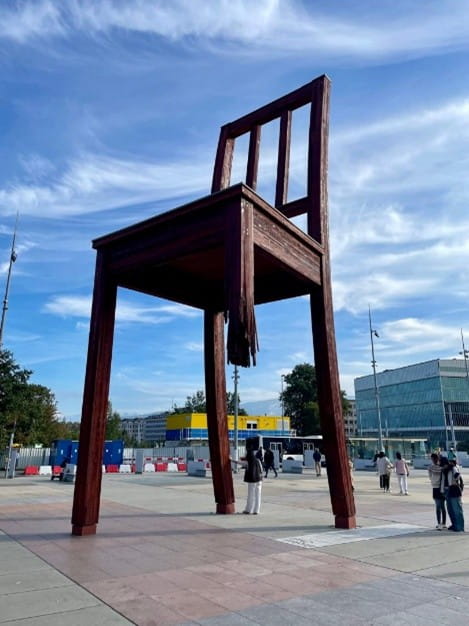
Figure 1: The Broken Chair taken Place des Nations is located directly in from of the UN office in Geneva taken during a walking tour
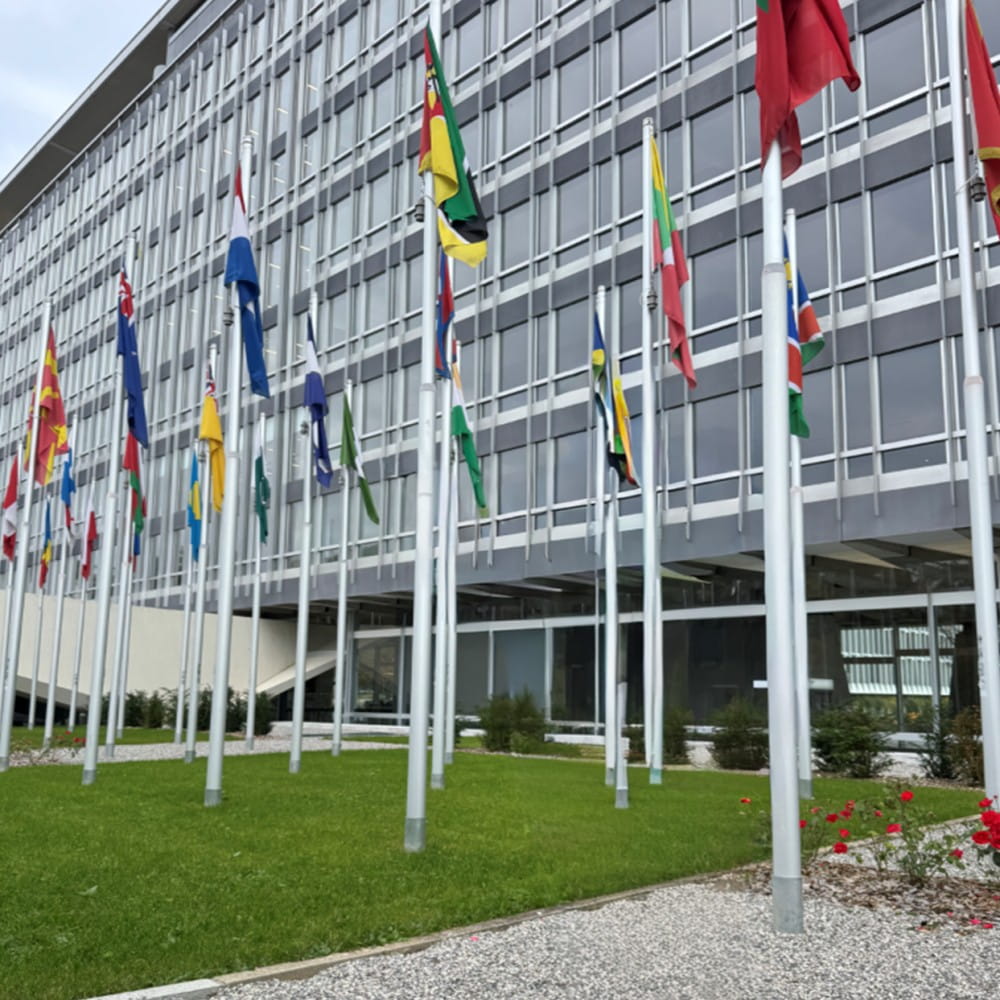
Walking into the World Health Organization headquarters in Geneva on the morning of 9 October (Fig. 2) felt surreal. For years, I had only seen these institutions in books, the media, and classroom discussions. For me, these were places I studied and wrote about but never imagined standing inside. To be there, within those walls where global health discussions are shaped, where history has unfolded since the days of the League of Nations, felt like everything had come full circle. The pages I had studied for suddenly came alive.
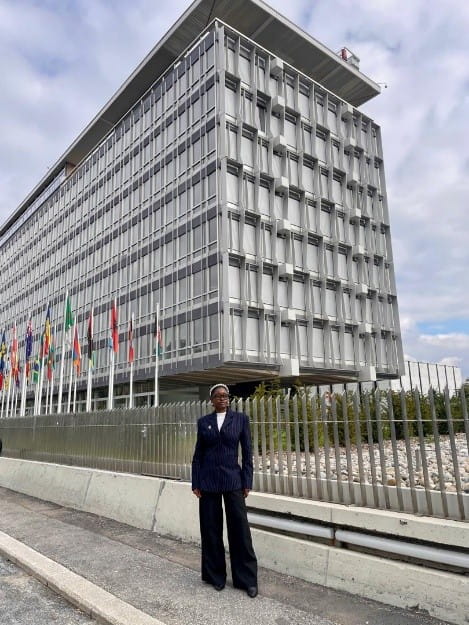
Figure 2: Standing before the WHO HQ surrounded by flags of its member states.
Over the course of the visit, through dialogue, guided tours, and engaging sessions on global health governance, migration, SRHR, tuberculosis, and polio eradication, theory turned into practice. Every exchange deepened my understanding of what cooperation and trust truly mean in global health. I have often thought of collaboration as a technical necessity, but seeing how it unfolds between agencies, across borders, through communities and people who believe in shared responsibility gave it new depth. It reminded me that health is not the job of the health sector alone but a collective responsibility that depends on everyone being on board.
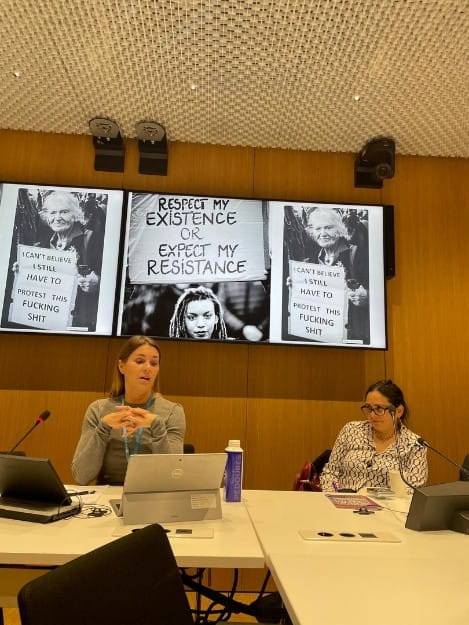
Figure 3: Engaging in critical dialogue about global governance, institutions, coordination, trust, collaboration and building sustainable health systems
Listening to the stories behind global frameworks felt like being at the roots of a tree whose branches I had only ever seen. The declarations, guidelines, and policies I’d once cited. Understanding the debates, resistance, and persistence that shaped them made me realise that behind every policy are people: negotiating, compromising, and striving for equity (Fig.4).
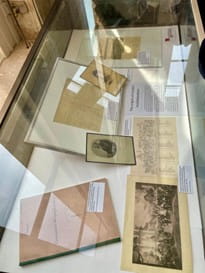
Figure 4: Tracing the roots of global health governance at the Palais des Nations
What inspired me most were illustrations the community voices of local innovators who, despite limited resources, have found creative ways to support each other collaborating on the development of interventions, strategies and local solutions (Fig 5). In places where formal systems faltered, communities built their own networks of care. These stories were powerful reminders that global health is not only made in boardrooms but in the lived experiences of people who refuse to be invisible and are areas I will love to further explore.
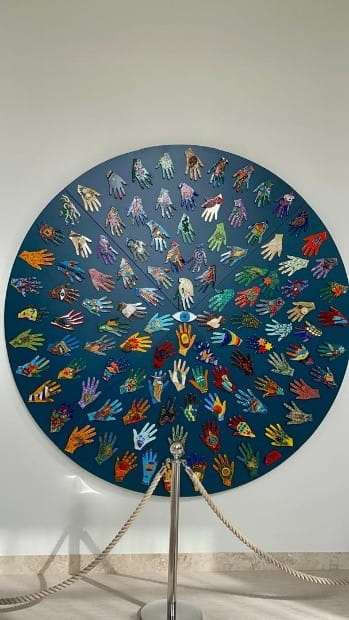
Figure 5: Taken inside the Palais des Nations this installation reminds me of the power of collaboration and community strength.
Dialogue illuminated the challenges of working in conflict-affected, politically sensitive and precarious contexts which is particularly relevant and situated within current realities as well as my current research (Fig 6). Discussions explored how programmes persist despite instability, and how teams adapt to shifting environments. It was a powerful lesson in resilience and diplomacy. Within all of these was the sombre realities of funding cuts, major programmes ending, and shifting donor priorities, including the U.S. withdrawal from WHO, anti-immigration rhetorics which reminded me how fragile global cooperation can be and reinforcing the importance of building local capacities and strengthening local systems. Yet, amid those challenges, there was also optimism of new opportunities to add value, partnerships emerging, creative ways to rethink funding, and a renewed commitment to doing global health differently more equitably, more inclusively, and more sustainably.
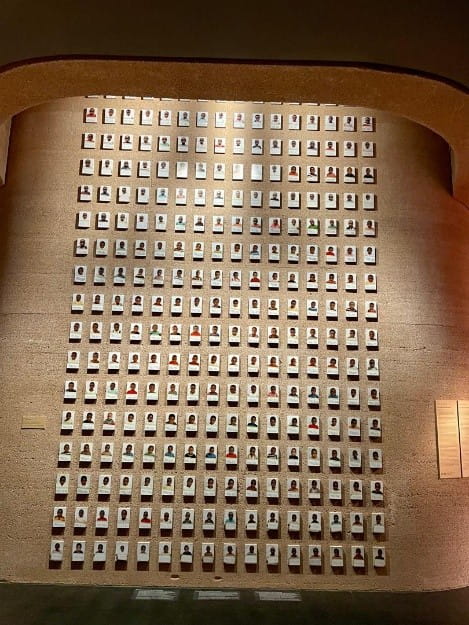
Figure 6: Pictures of children displaced during the genocide in Rwanda reminded me of the faces of conflict beyond statistics.
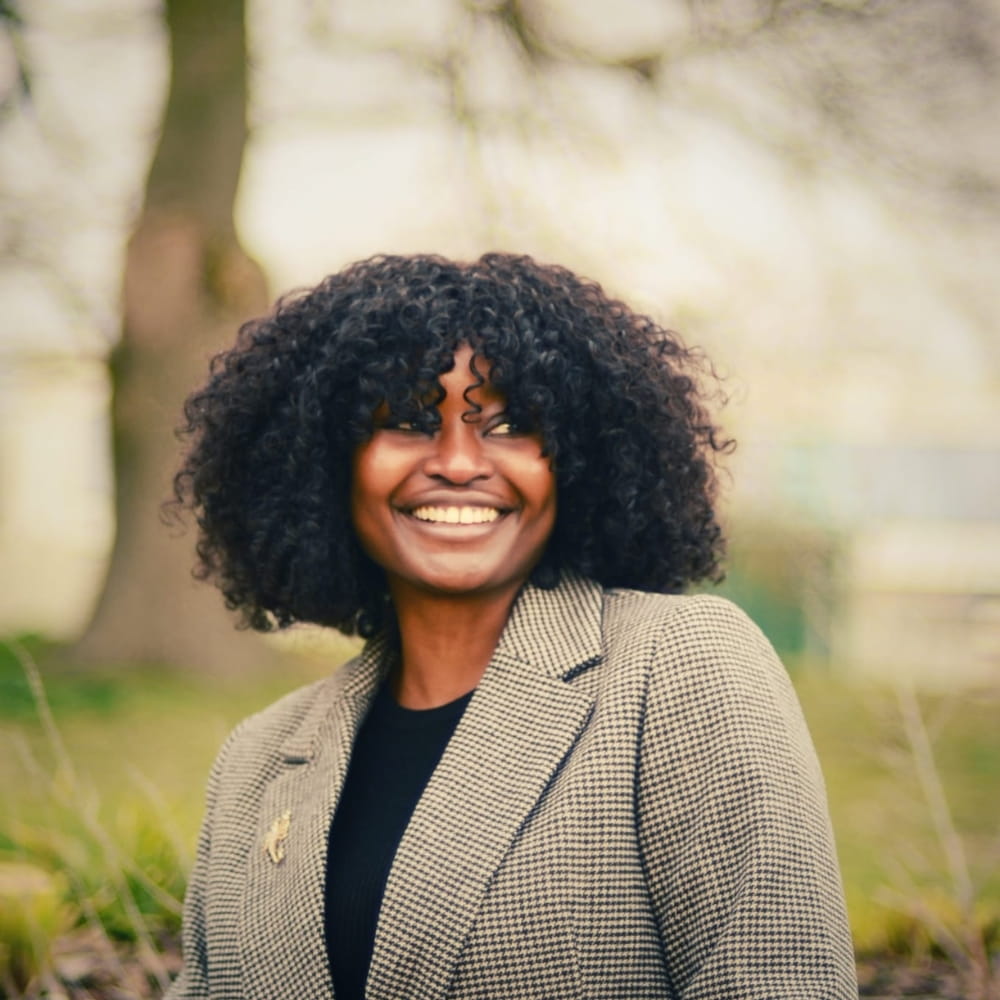
Within my research interest in health systems and intersectional equity, this experience brought my work into sharper focus. The discussions across WHO, IOM, and the UN reaffirmed my belief that meaningful change cannot come from isolated interventions but requires building systems that centre justice, inclusion, and care and acknowledge complexity, power, and context. Seeing how governance, funding, and politics intersect within global institutions illuminated both the progress made and the vast amount of work that remains. Yet it also reminded me that there is space and a need for emerging scholars like me to contribute to that change. On a personal level, this trip was about connection, meeting other students and researchers, sharing stories, laughter, and ideas, and finding a sense of shared purpose in the pursuit of health equity. Those moments of learning, curiosity, and reflection reminded me that global health is as much about relationships as it is about research. The friendships and collaborations formed in Geneva reaffirmed that collective work, grounded in empathy and humility, is what truly sustains this field.
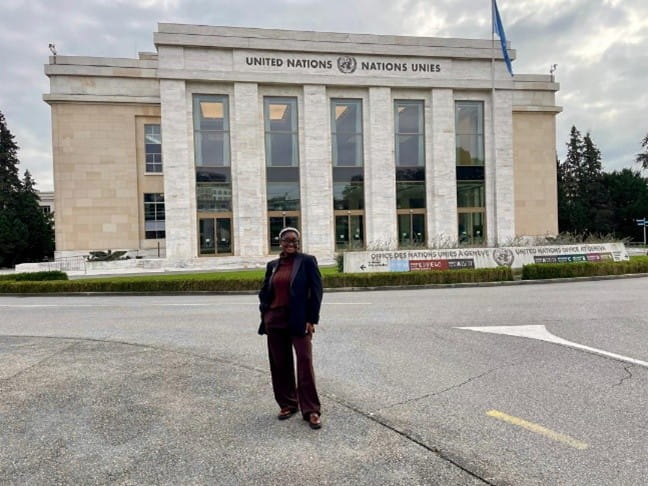
Figure 7: Taken outside the Palais des Nations in Geneva made me feeling like there is space for me.
I left feeling deeply grateful to the CGHIER for making such opportunities for learning, mentorship, and application of knowledge possible, under the excellent guidance of Professor Anuj Kapilashrami and the CGHIER team. I am equally thankful to Professor Michael Knipper for his generosity, insight, and commitment to cultivating spaces where critical reflection and collaboration can thrive.
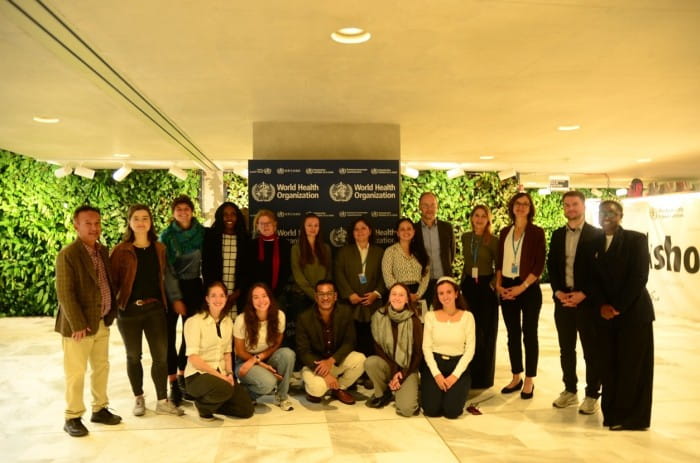
Figure 8: Taken in the WHO headquarters with feelings of shared purpose.