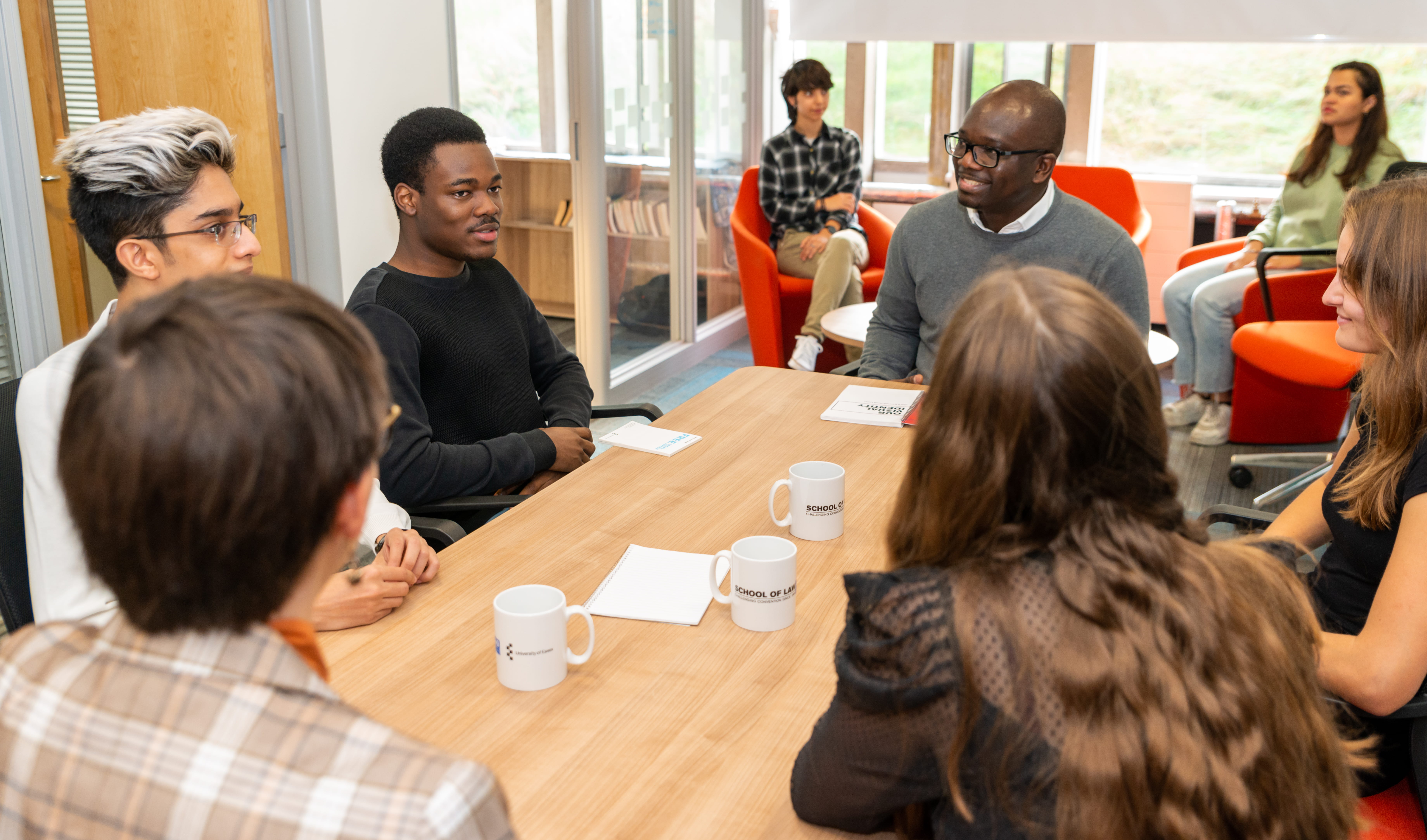
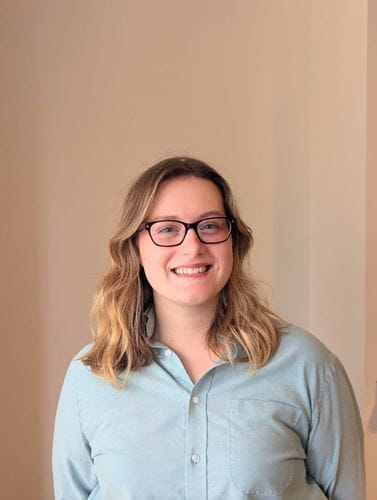
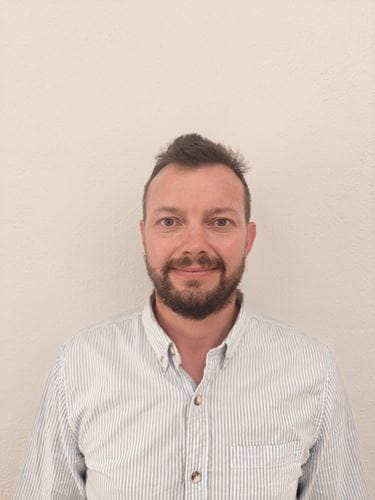
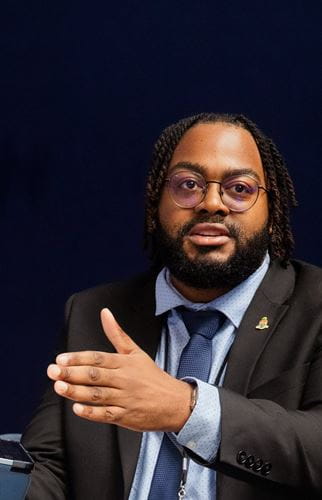
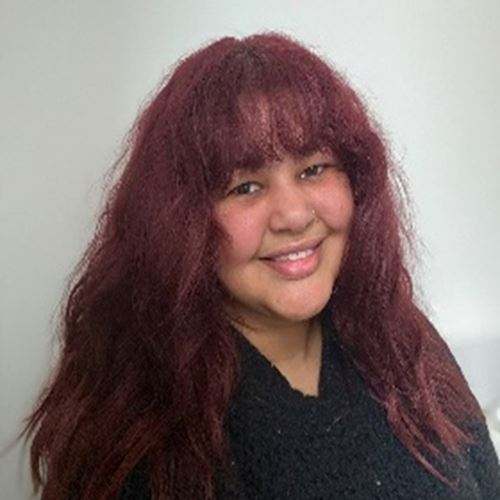
Our doctoral scholars are working on interdisciplinary projects in areas relating to environmental sustainability, supported by at least two supervisors from different departments.
Their training in interdisciplinary research methods will help them develop skills and practices that will allow them to contribute towards research impact to benefit people and the planet.
Our first cohort started in October 2024. Applications are open for our scholarships for October 2025 entry.
Dhruti’s research examines the socio-ecological impacts of long-term protected nature sites compared with recently restored sites, with particular attention to restored sites that have been historically degraded.
Dhruti previously worked as warden with the RSPB managing a variety of habitats and subsequently as a Countryside Manager in the environmental engineering sector, where she led on habitat creation and community engagement and project managed planning applications for new remediation schemes.
She holds a BSc in Ecology and an MSc in Applied Ecology and Conservation from the University of East Anglia.
Kristina is a Marine Biology graduate and conservation ecologist from Colchester, Essex. With a background in ecological consultancy and coastal field research, her work focuses on nature-based solutions for ecosystem restoration and climate resilience. She is passionate about integrating science, policy, and community perspectives to protect coastal environments.
I have a first-class BA in International Development from the University of Sussex and a MSc in Research for International Development from SOAS University. My research has been focused on the interrelationships between climate change, nature, politics and economics. Such as looking at corporate greenwashing and just climate transitions.
I am currently enrolled in the Leverhulme Sustainable Transitions Doctoral Training Program, doing interdisciplinary work between accounting and sociology. My research explores how accounting and development practices shape ideas of sustainability and legitimise growth-focused policies. I also examine how communities experience, challenge, and reimagine these development agendas toward more just and ecological futures.
James Goodfellow is a doctoral scholar on the Sustainable Transitions Leverhulme Doctoral Training Programme. His research investigates the use of bivalve reefs, such as oyster and mussel beds, as nature-based solutions (NbS) for coastal defence along the Essex coast, exploring their ecological, socioeconomic, and policy dimensions. James brings over two decades of professional experience as a Harbour Master and port manager, with expertise in stakeholder engagement, marine governance, and environmental risk management. This practical background, combined with his work alongside regulatory bodies including the Marine Management Organisation and the Environment Agency, provides a distinctive real-world perspective to his interdisciplinary PhD research.
Rickeem’s work examines the social and ecological trade-offs of nature protection and nature restoration, with a particular focus on how these conservation interventions unfold in the Cayman Islands and other UK Overseas Territories. His research combines ecological data, qualitative inquiry and participatory engagement to understand how protection and restoration policies shape equity, governance and community resilience. He previously worked in marine conservation, biodiversity advocacy and water-quality monitoring in the Cayman Islands, contributing to environmental policy discussions and community-led initiatives. With a background spanning marine biology, sustainability policy and public engagement, Rickeem is committed to bridging scientific evidence and real-world decision-making for island communities.
Jocelyn focuses on the ecological grief experienced by the South Sami of Norway in the wake of green infrastructure and climate change. This research builds upon the research she began during the completion of her MA in Anthropology at Southern Methodist University.
Jocelyn has previously published on the repatriation of Sami artifacts and use of art as pieces of protest in Countering Modernity: Cooperative Models from Indigenous Peoples. She also holds an LLM in Human Rights from the University of Nottingham and BS in Anthropology from Texas State University.
Jacob graduated from the University of Essex in 2023 with a first-class BSc in Marine Biology. During his final year project, he researched the distribution of antifouling paint particles in the local area, leading him to an interest in antifouling biocides and their environmental impacts.
As a Leverhulme doctoral scholar, he is co-supervised by the School of Life Sciences and the Department of Government in an interdisciplinary project that merges policy with science. This unique opportunity involves engaging with stakeholders and the public to effectively manage the environmental impacts of antifouling biocides at Brightlingsea Marina.
Charles' research is on the impact of regional trade dynamics and regulatory frameworks in plastic waste management in the Global South as well as the effectiveness of initiatives by UNCTAD, SMEP, and FRESHPPACT in addressing plastic pollution and regulatory gaps.
Charles has worked as a Research Assistant at the University of Northampton, contributing to decarbonisation, net-zero, and plastic pollution reduction projects. He has co-authored a book chapter on engaging SMEs in carbon emissions reduction, contributing to a broader publication on sustainable organisational practices. Charles holds an MBA and a bachelor’s degree in commerce, integrating business and environmental sustainability into his work.
Siân is undertaking the ‘Human rights in postgrowth proposals and policies’ project under the supervision of Judith Bueno De Mesquita and Nicholas Beuret.
Sian holds a LLM (1st class) in Law with Human Rights and recently completed their LLM International Human Rights Law Masters from the University of Essex. They have over six years’ experience working for the British Red Cross in Independent Living and Refugee Support, and have also worked as a research assistant with the University of Cambridge.
They are also an active member of the Essex Human Rights Centre, with recent publications including ‘Energy, Gender and Health: Mapping the Legal Framework and Potential Policy Solutions’ in collaboration with GI-ESCR.
Holding two MSc degrees from LSE and Edinburgh, James’s academic journey reflects a commitment to understanding complex global issues.
By using cutting-edge quantitative methods, James is not only identifying who is most affected by climate misinformation, but also researching the mechanisms by which it undermines sustainability efforts. His work is positioned to provide valuable insights for scholars, policymakers, and industry professionals, in order to further sustainability efforts within their areas of work.
This Leverhulme Doctoral Training Programme is founded on world leading expertise in areas of environmental sustainability drawn across five core disciplines at the University – Life Sciences, Law, Sociology, Government and Business. Its purpose is to train the next generation of interdisciplinary doctoral scholars with skills and expertise to contribute to ‘sustainable transitions’ at local, national and international levels.