News

Handball! Could palm-cooling help footballers beat the heat?

  • Date

    Tue 1 Sep 26

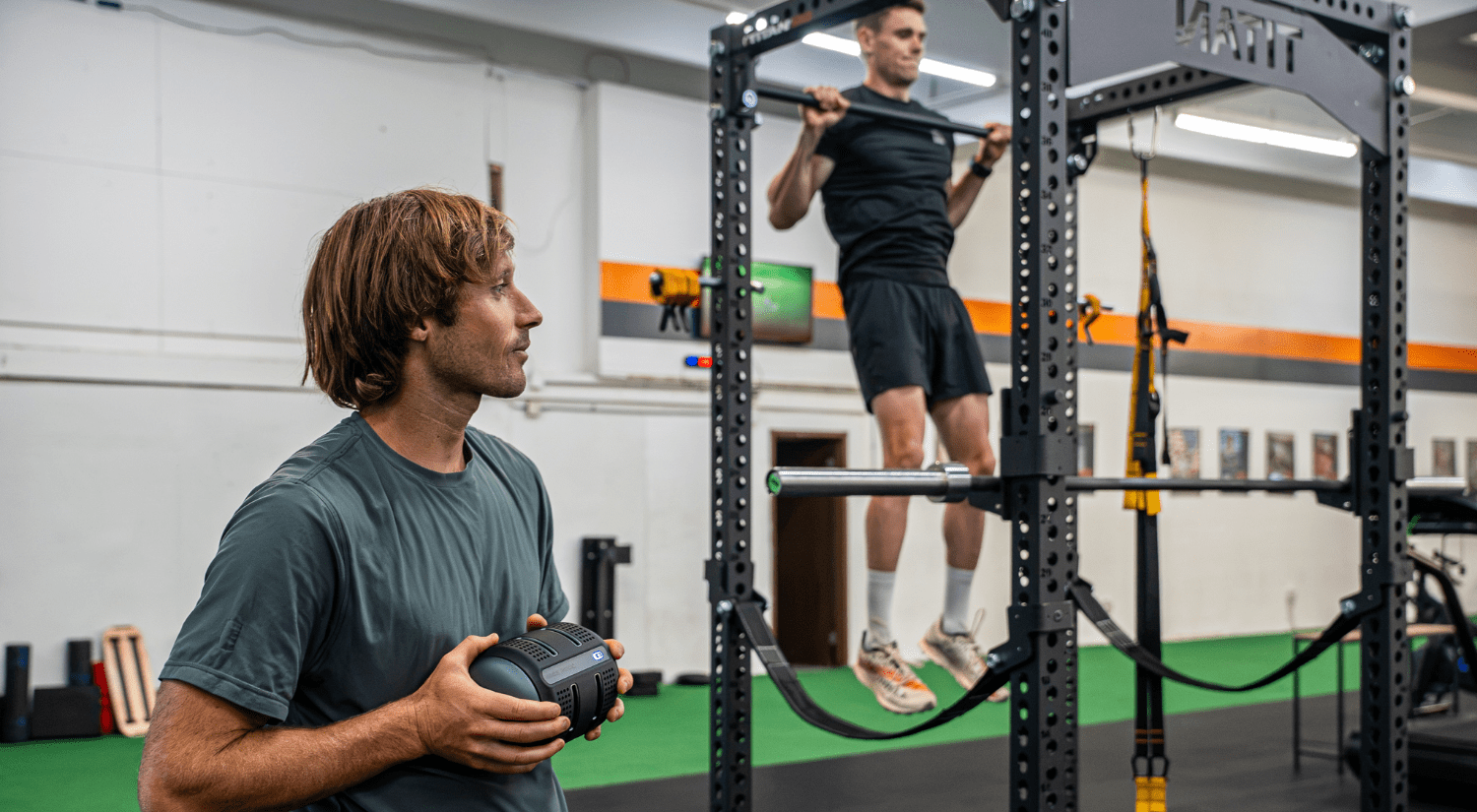
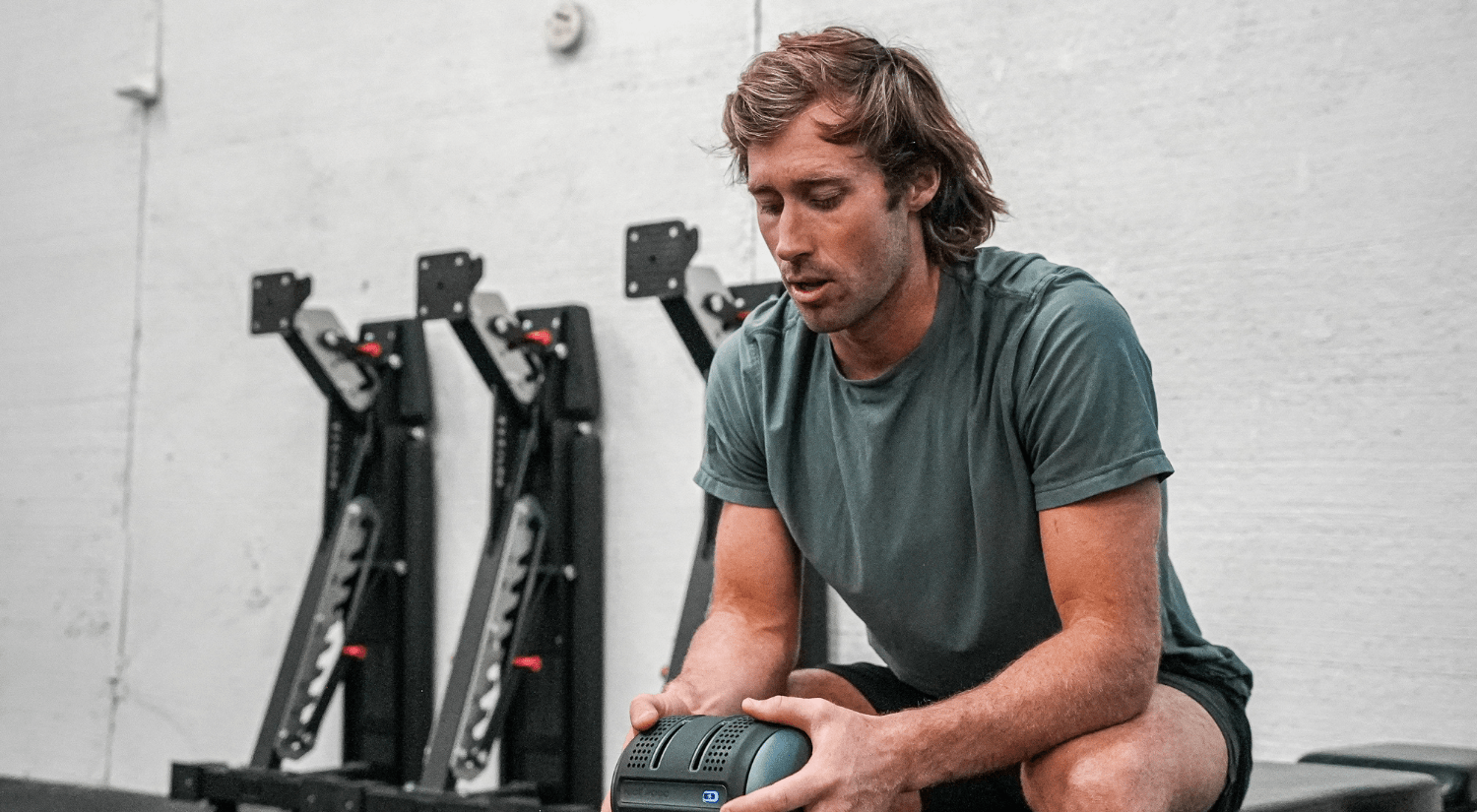
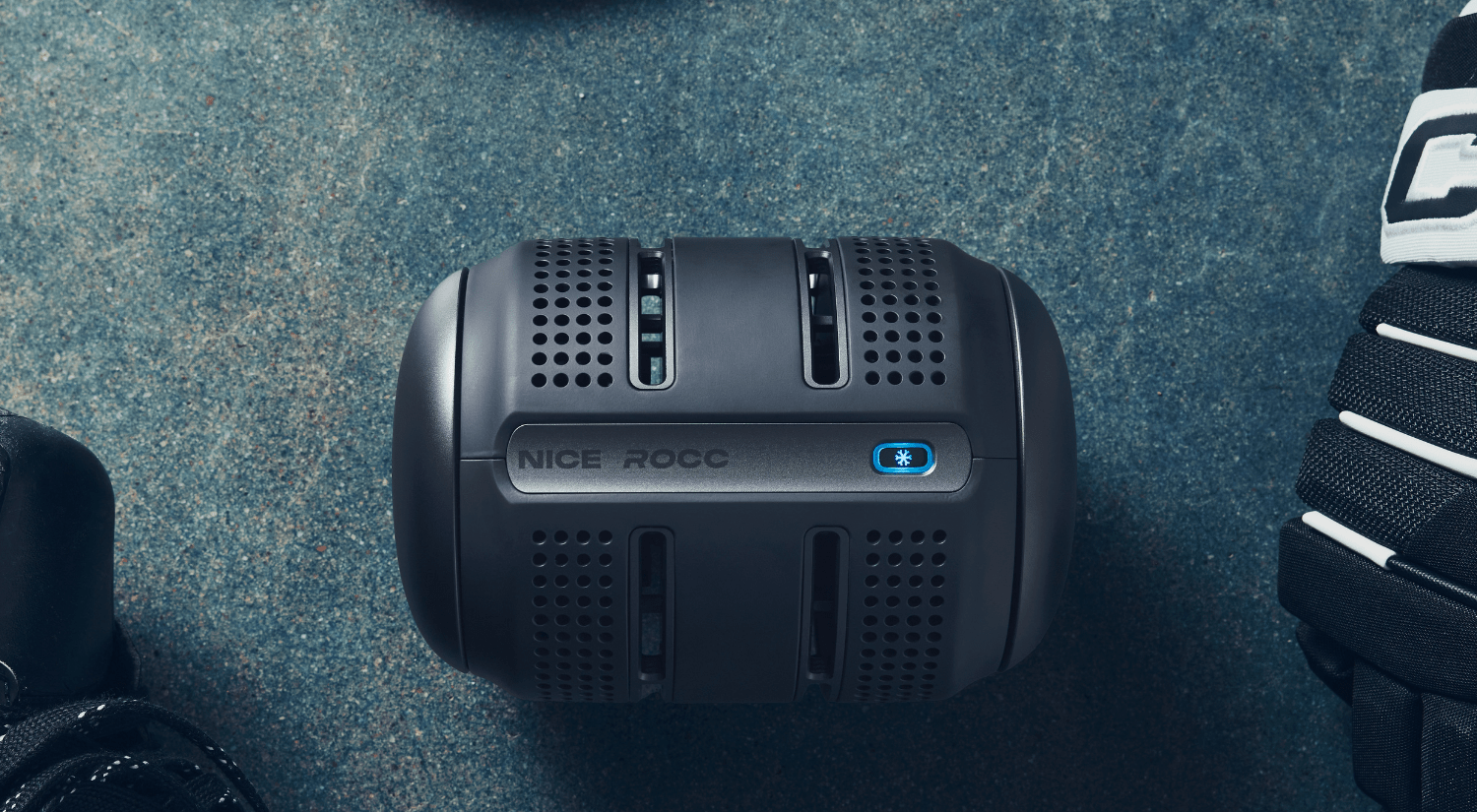
Close-up of a person holding a black palm-cooling device with both hands. The curved device has perforated ventilation holes, recessed hand grips and a blue illuminated power button.

Scientists are testing a hand-held cooling device that could help footballers beat the heat as soaring temperatures continue to dominate the sporting agenda.

With extreme heat sparking debate in this summer's FIFA World Cup and forcing the introduction of mandatory hydration breaks during matches, scientists are investigating whether cooling a player's hands during breaks can improve recovery and help maintain performance.

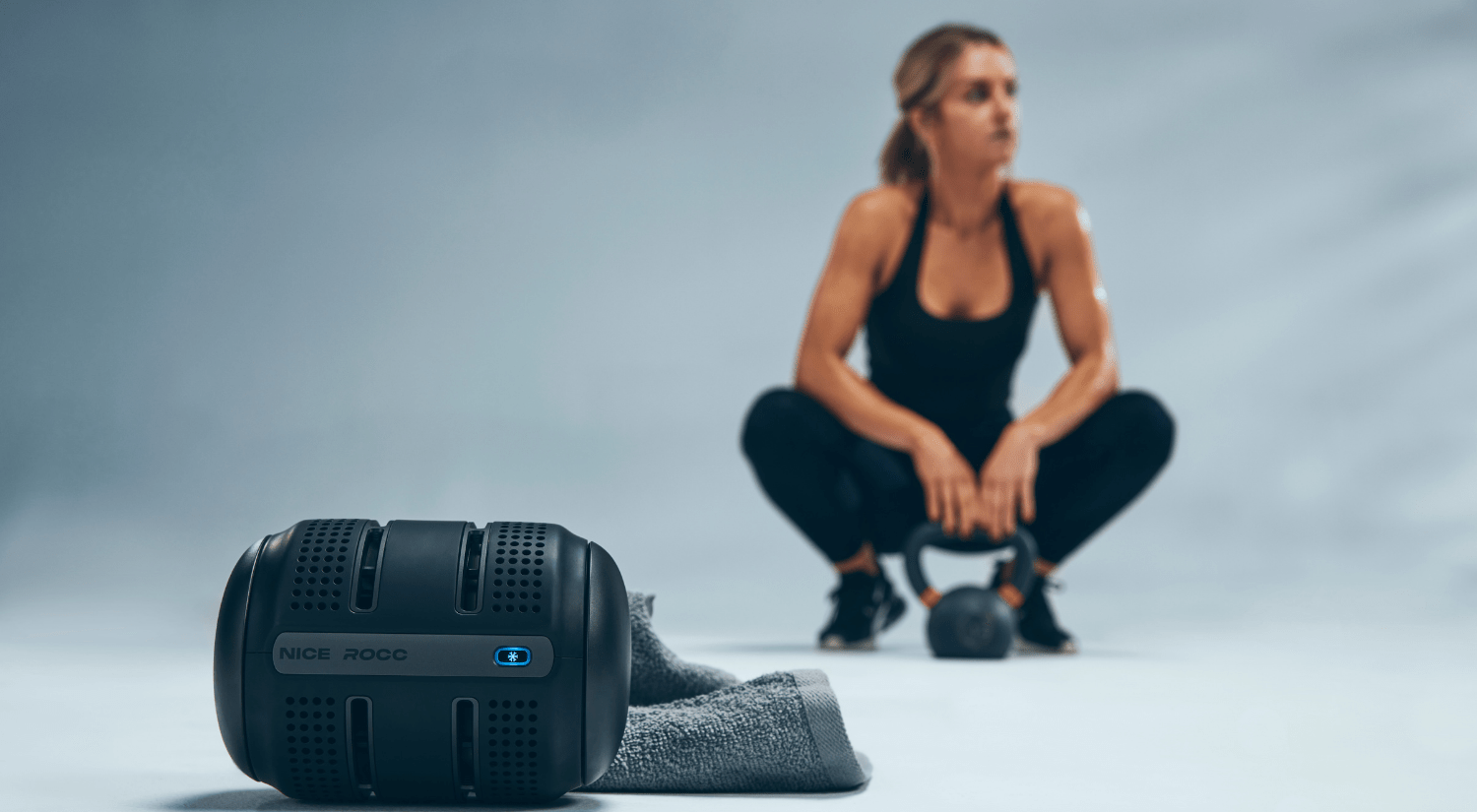
The study, led by Dr Ben Jones from the University's School of Sport, Rehabilitation and Exercise Sciences, will evaluate a handheld palm-cooling device called ROCC, developed by NICE Recovery Systems.

It works by cooling the palms of the hands, which contain specialised blood vessels that act as one of the body's natural ‘radiators’ for releasing heat.

Researchers want to discover whether just a few minutes of palm cooling during hydration breaks and half-time can help players shed heat more effectively and perform better in the second half of a match.

Dr Jones said: "Heat is becoming an increasingly important issue in elite sport, and we're seeing growing interest in practical ways to help athletes cope with it.

"Cooling breaks are now common during matches played in hot environments, but there is still very little evidence about which methods genuinely improve recovery and performance.

"This study will test whether palm cooling provides a measurable benefit during the kinds of short breaks players already have during a game."

Volunteers will complete a football-style exercise session in a temperature-controlled hot laboratory, with hydration breaks and a half-time interval mirroring those seen during competitive matches.

During one trial, participants will recover normally, while in another they will use the ROCC palm-cooling device.

Researchers will compare body temperature, heart rate, muscle function, oxygenation and performance to determine whether the technology helps athletes recover more effectively and maintain their performance as fatigue sets in.

Funded through the University of Essex Innovation Fund, the research is being carried out in collaboration with NICE Recovery Systems, with the University independently leading the study design, testing and analysis.

The findings could help shape future approaches to athlete recovery and safety as football and other sports continue to adapt to rising temperatures and increasingly demanding playing conditions.

Dr Ben Cowin, Clinical Director at NICE Recovery Systems, said: "Player welfare should be proactive, not reactive.

"Applying precise palm cooling at 57°F (13.9°C) allows us to address thermal load early in practices and games.

"Our goal with this study is to demonstrate that this approach can support performance while providing a safer environment for athletes."

login