Mon 15 Jun 26
A pioneering £250,000 robotic rehabilitation system has been installed at the University of Essex, making it the first in the UK to give students and researchers access to the cutting-edge technology.
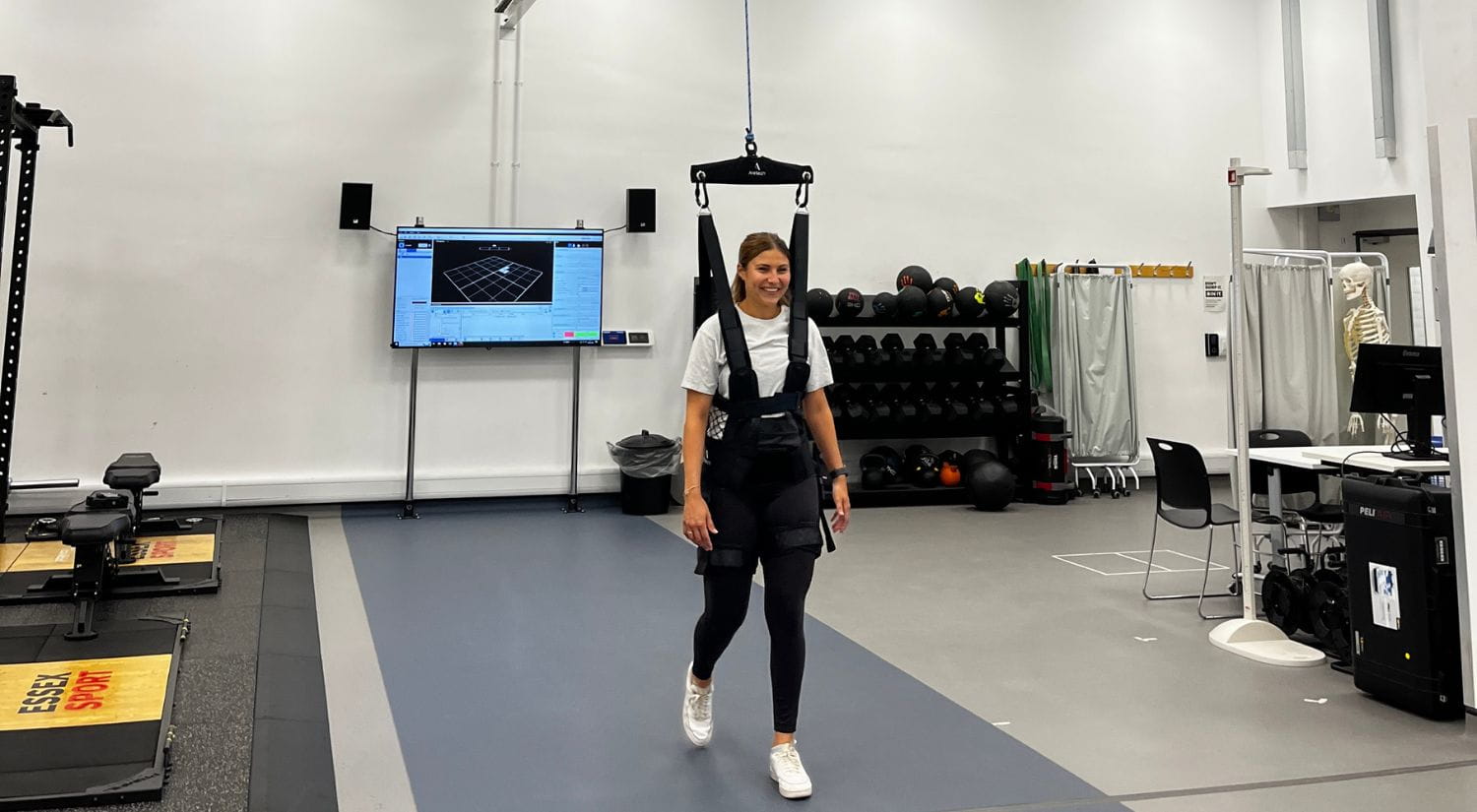
The ZeroG system has been installed in the School of Sport, Rehabilitation and Exercise Sciences (SRES), giving students and researchers access to technology usually found only in specialist centres.
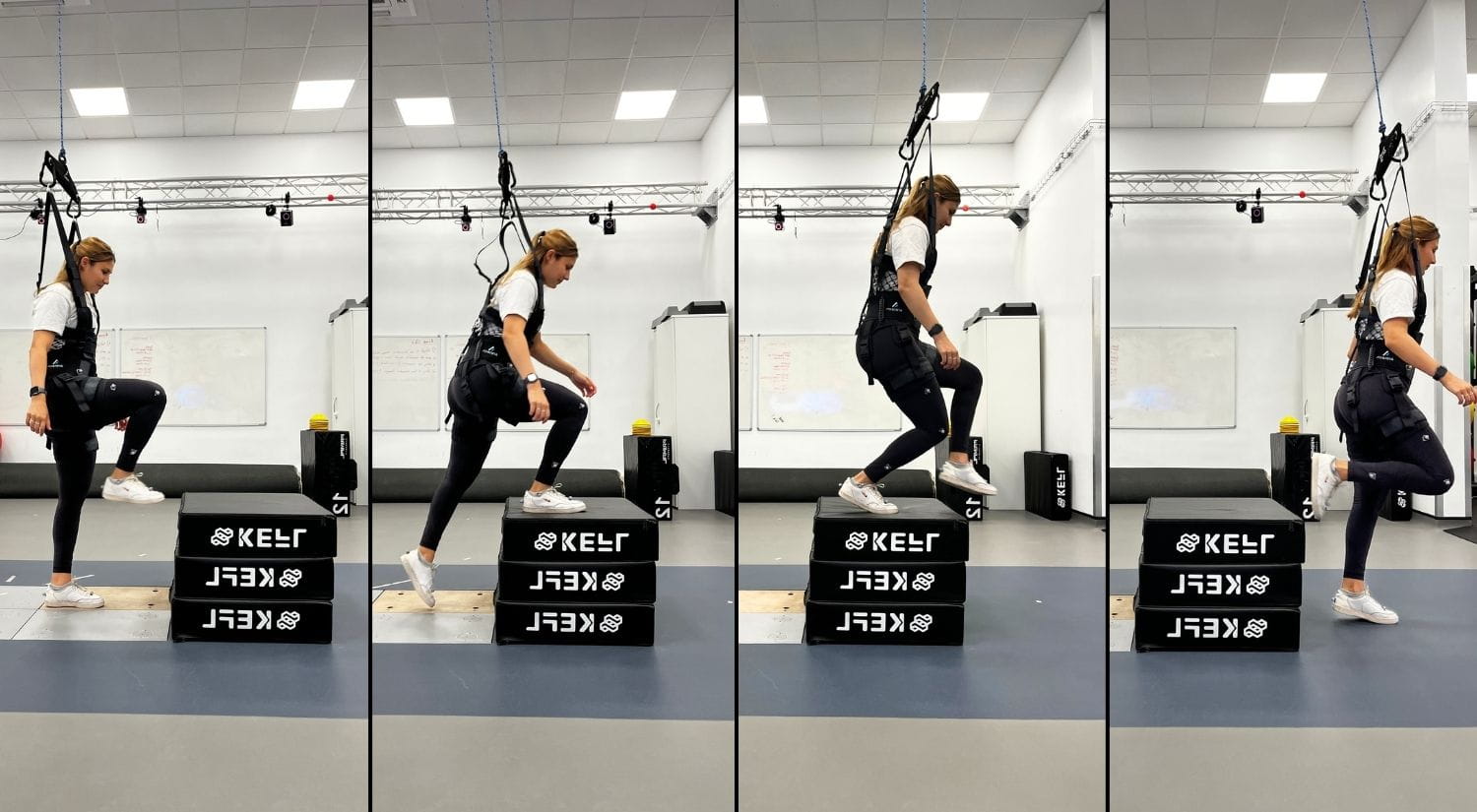
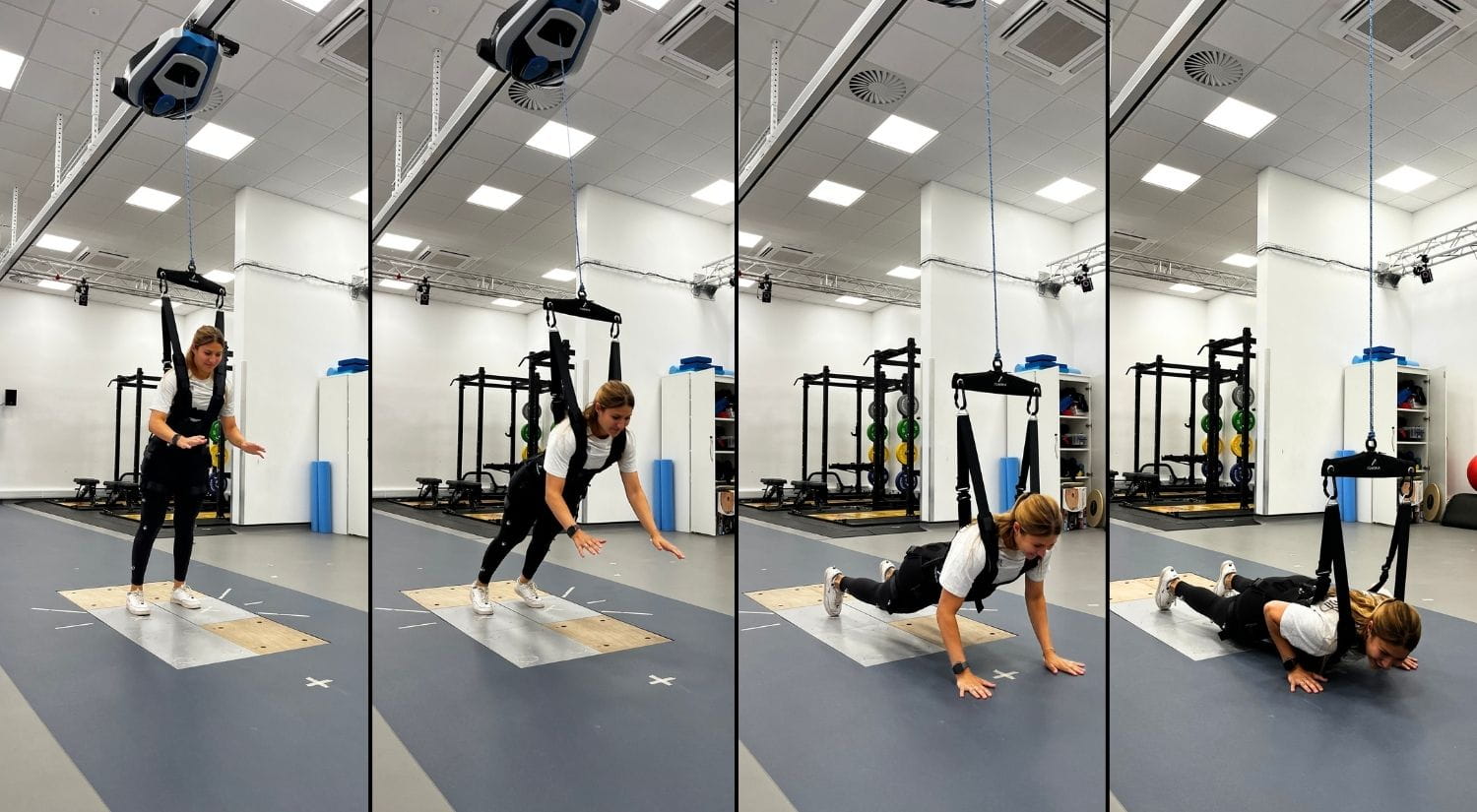
Designed to support people as they walk, balance and move, the robotic harness system provides dynamic body-weight support and advanced fall protection.
It can also safely recreate slips, trips and sudden losses of balance, allowing scientists to study how people respond to and recover from balance loss without risk of injury.
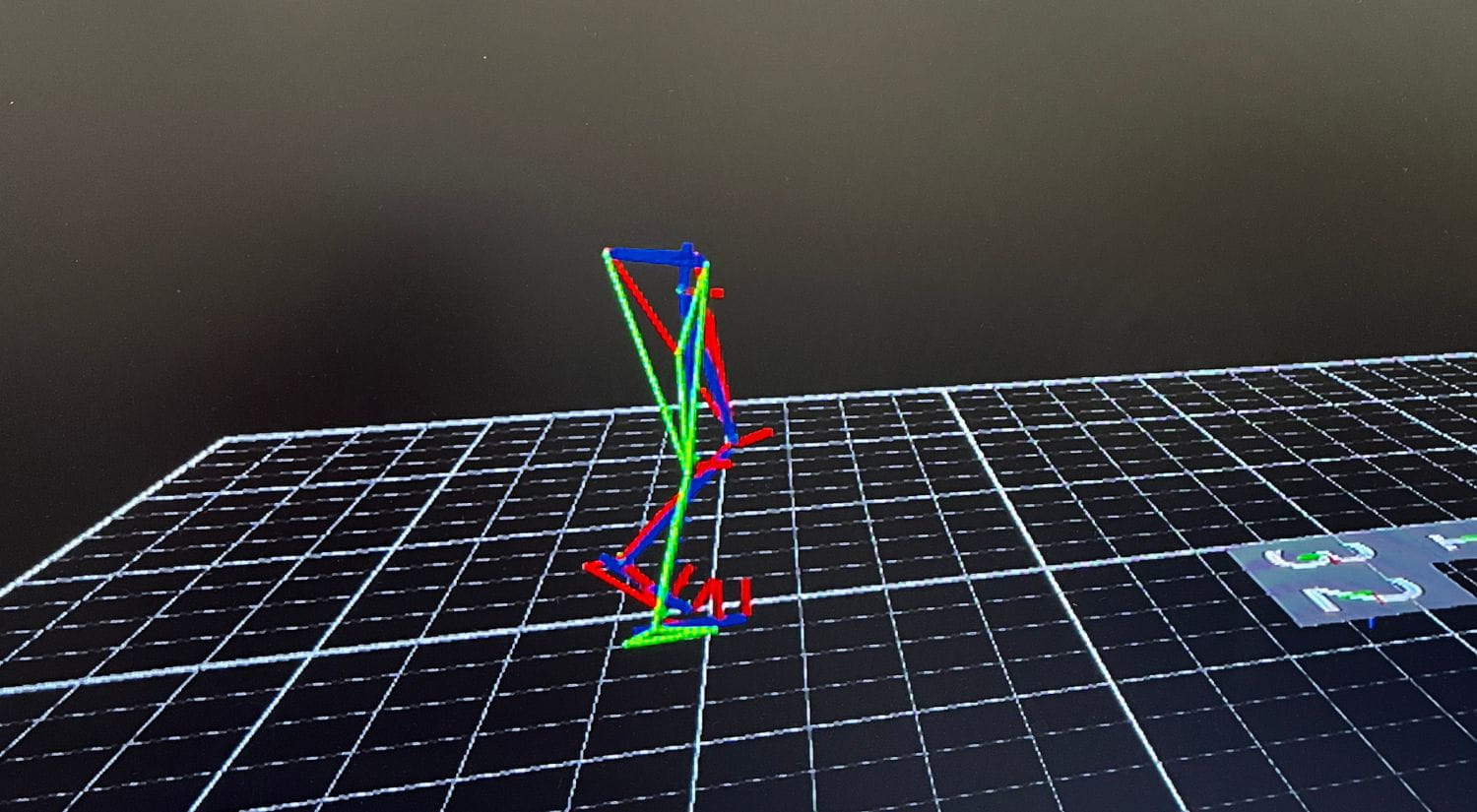
Integrated with the University's advanced Human Movement Lab, including motion capture cameras and force plates, the system creates a unique environment for teaching, research and innovation.
Professor Nelson Cortes, head of SRES said: “This is a game-changing investment for our students, researchers, and wider Colchester community’.
“ZeroG allows us to safely explore movement in ways that simply were not possible before.
“Whether we are helping students understand the mechanics of balance and mobility or conducting research that could improve rehabilitation outcomes, the opportunities are enormous.
“Having access to this technology gives our students experience with equipment they are unlikely to encounter elsewhere during their studies, helping them graduate with the skills, confidence and knowledge needed to thrive in their careers.”
Researchers will use ZeroG to investigate how people recover from slips, trips and falls, develop new movement measures, test rehabilitation approaches and explore future technologies.
Students from physiotherapy, sports therapy, biomechanics, rehabilitation science and sport and exercise science will all benefit from access to the technology, gaining hands-on experience with equipment rarely available outside specialist clinical settings.
The University also hopes the ZeroG system will create opportunities to work more closely with healthcare providers and local communities, supporting future rehabilitation initiatives and helping people with limited mobility get back on their feet.
Dr Aleksandra Birn-Jeffery said: “Falls are one of the biggest threats to independence and quality of life, particularly for older adults and people recovering from injury or illness.
“ZeroG allows us to study these challenges safely and in unprecedented detail.
"The insights we gain could help shape future rehabilitation programmes, improve mobility outcomes and support people to live independently for longer.”