Mon 2 Feb 26
Two University of Essex-trained scientists have been named among the world’s leading modern-day explorers in a list of 50 people changing the world.
The prestigious annual list from The Explorers Club has recognised Dr Reem AlMealla and Dr Emma Camp as scientists who “represent the cutting edge of conservation, field science, and research”.
The international society, which promotes scientific exploration and field study, highlighted both alumnae in its Explorers Club 50.
Both completed their PhDs with the School of Life Sciences before going on to blaze trails across the globe.
Senior lecturer Dr Michael Steinke praised the pair for their success.
“The University is proud that two of our alumnae are on the Explorers’ Club list of 50 people that are changing the world,” said Dr Steinke.
“Everyone in the School of Life Sciences would like to congratulate Dr AlMealla and Dr Camp for their pioneering work that is making a real difference around the world.
“Dr AlMealla and Dr Camp are real inspirations for our students, showing what they can go on to achieve.”
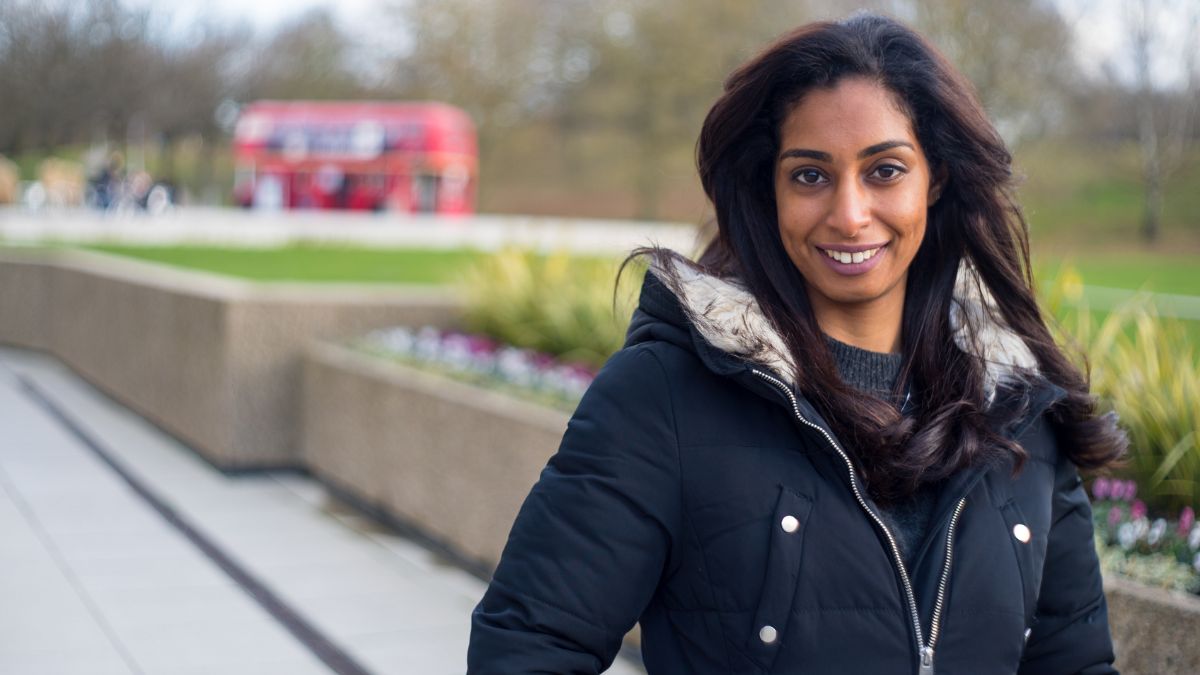
Dr AlMealla, the first Bahraini woman marine field ecologist, was recognised for her work in the Gulf region, where she leads research on coral reefs, pearl oyster populations, and shark and ray conservation.
Blending ancestral knowledge with scientific rigour and policy engagement, Dr AlMealla, who received both her undergraduate degree and doctorate at Essex, is pioneering methods to safeguard marine ecosystems.
Dr AlMealla said: “Working in the world’s hottest sea, which is rapidly changing, exploration for me has never been about travelling far. It has been about safeguarding what is closest to the heart, life in all its forms.
“The Arabian Gulf is a place where species live in the extreme but survive at the edge of possibility. Understanding how life endures here and uncovering the story of resilience offers important insights the world urgently needs.”
She added: “As the first Bahraini woman marine field ecologist, I navigate not only extreme environmental conditions, but also social, institutional, and political barriers.
“Through Nuwat, the environmental think tank I founded, I am building locally led research systems where young Gulf scientists, especially women, can step into spaces that were once inaccessible.”
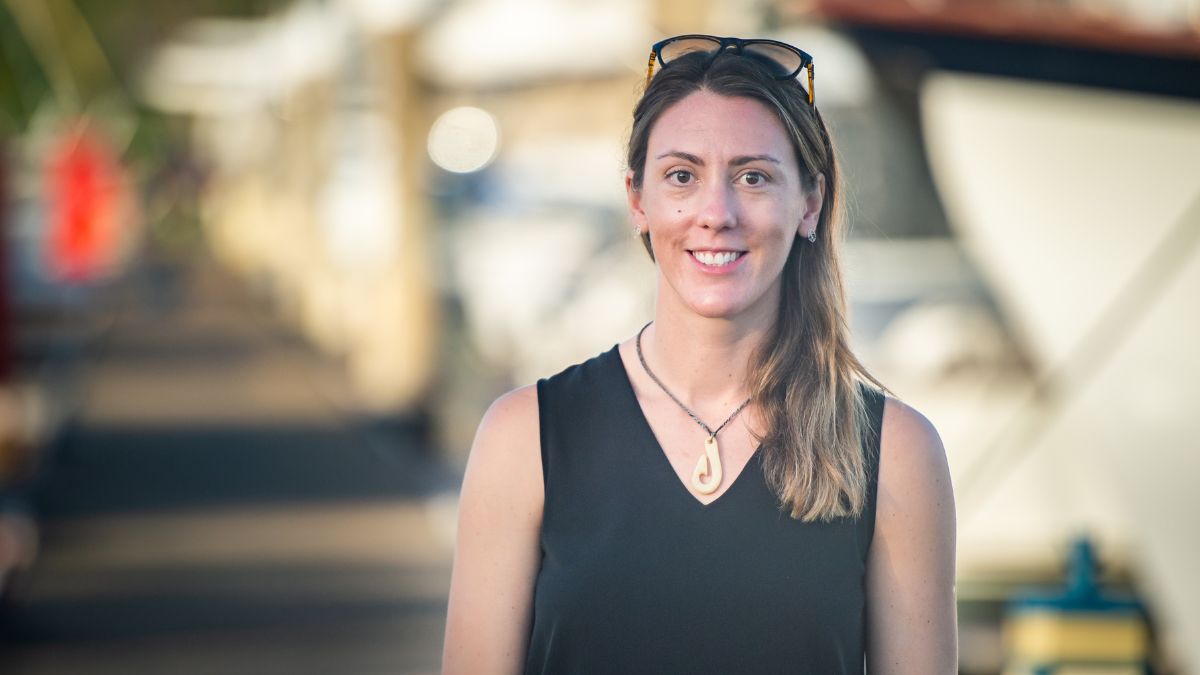
Dr Camp, a coral reef ecologist and biogeochemist, was celebrated for her drive to safeguard a future for the world’s coral reefs, and for the more than one billion people who rely on healthy reefs for survival.
Dr Camp now leads the Future Reefs Team at the University of Technology Sydney. She studied at Essex under Professor David Smith before working for the Earthwatch Institute and the United Nations.
“My hope is that through innovation, collaboration, exploration and community-led restoration, we can give reefs a fighting chance,” said Dr Camp, who is also a passionate advocate for women and girls in STEM.
“My work focuses on understanding how some corals naturally survive extreme conditions and using that knowledge to innovate new restoration tools and strategies.
“This drive has led me to explore under-examined and extreme marine habitats, where I’ve discovered corals that thrive under conditions once thought uninhabitable.
“These discoveries have opened new research pathways into natural tolerance in the Anthropocene and, in partnership with the Indigenous rangers of Groote Island, even led to the identification of new coral species.”