Event

Co-creation Event: Building the Blueprint for Neuroinclusive Workplaces

  • Wed 25 Mar 26

    10:00 - 16:00

  • Colchester Campus

    Essex Business School

  • Event type

    Workshops, training and support

  • Event organiser

    Essex Business School

  • Contact details

    Dr Raysa Rocha

This isn't a typical workshop. This is where research becomes revolution.

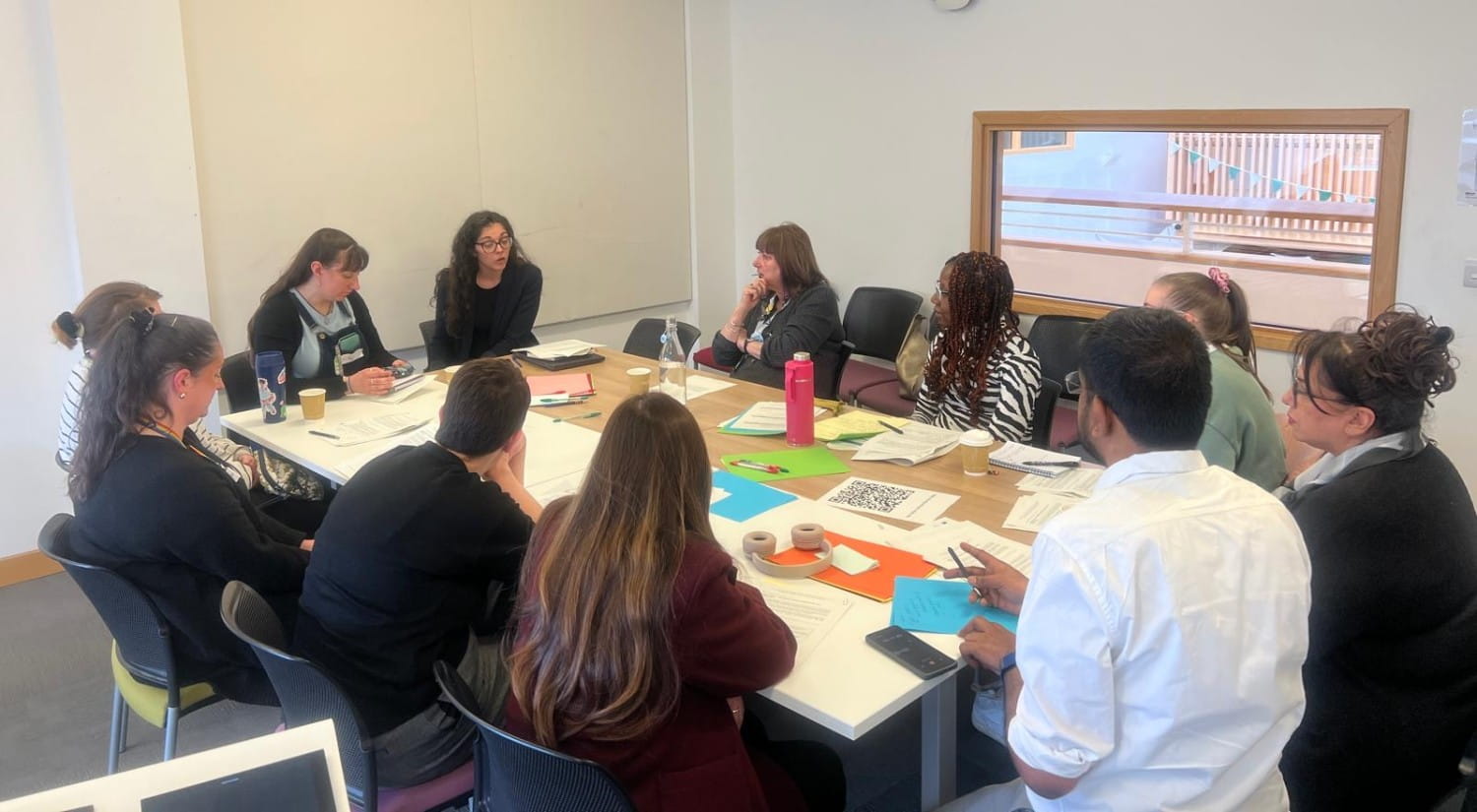
Picture this: HR professionals, policymakers, neurodivergent workers, and leading academics in one room for six transformative hours. You'll witness the unveiling of groundbreaking research findings that challenge everything we think we know about neurodivergent talent in UK technology sectors. But witnessing isn't enough, you'll actively shape the future.

Schedule

Morning: The Research Revelation

We're pulling back the curtain on years of intensive investigation. The data tells stories that statistics alone cannot capture: how meaningful connections function differently for neurodivergent workers, why workplace dynamics either crush or cultivate belonging, and what truly drives flourishing in remote, hybrid, and on-site environments. Expert panellists will dissect the implications, connecting theory to the realities your organisations face today.

Afternoon: Your Ideas, Our Collective Impact

After lunch, the real work begins. You won't passively absorb guidelines, you'll co-create them.

Through facilitated workshops, your frontline experiences will merge with our research insights to forge practical, implementable strategies. The guidelines emerging from this room will equip HR managers and policymakers across the UK with tools that actually work, not theoretical frameworks that gather dust on shelves.

Why Your Seat Matters

Limited capacity means we're building an intimate, high-impact cohort. Every voice will be heard. Every perspective will shape outcomes.

This is your invitation to moving from talking about inclusive workplaces to building them.

Confirmed speakers

Councillor Lesley Scott-Boutell

Councillor Lesley Scott-Boutell, the former Mayor of Colchester and a local government veteran with over two decades of experience, is attending our co-creation event. A committed advocate for inclusion and community cohesion, she brings a grounded perspective on how policy translates into lived experience at the local government level.

During the event, she will participate in a live Q&A, where participants are invited to engage directly with her on questions of local governance and inclusive practices.


Watch an interview with Lesley Scott-Boutell

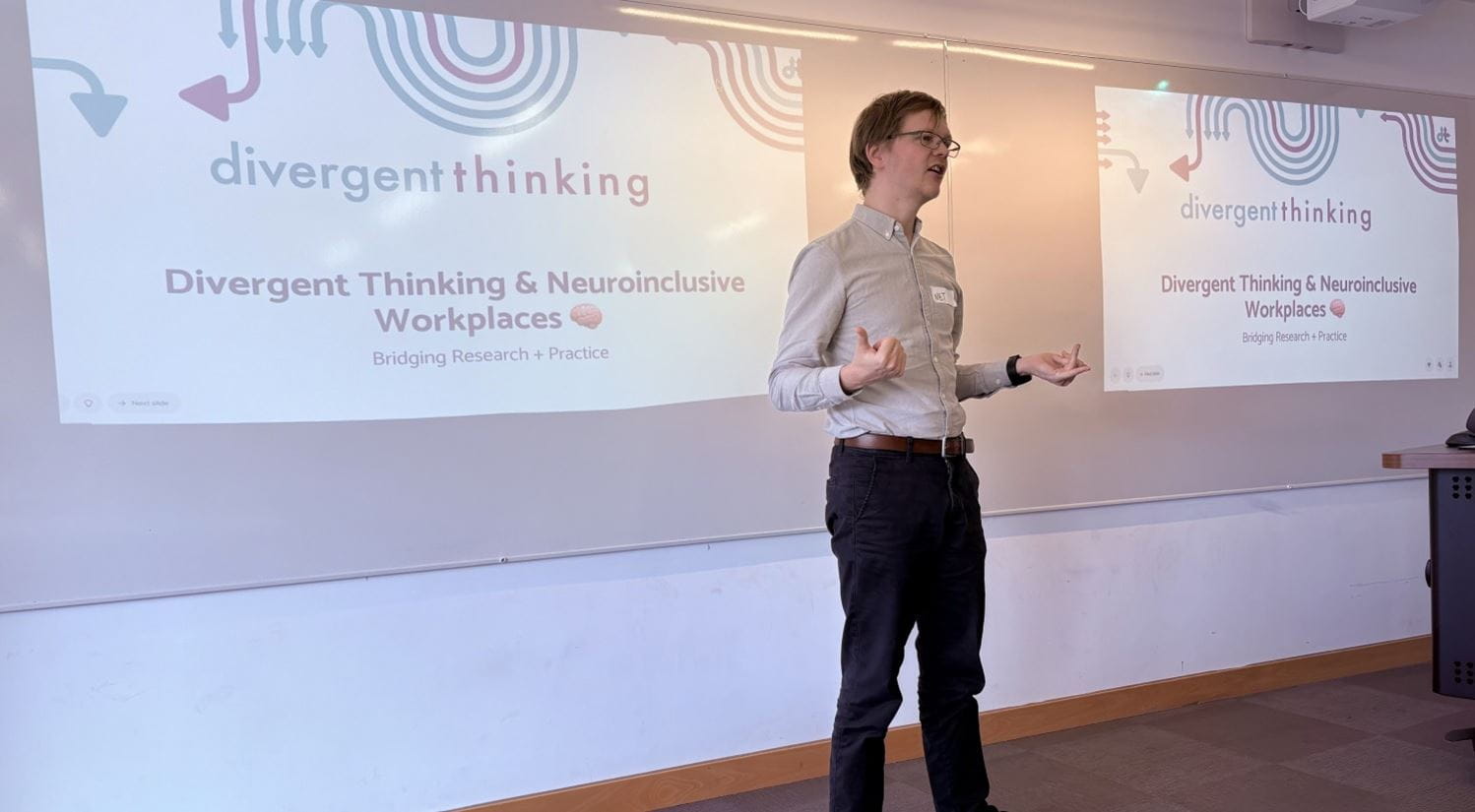
Nat Hawley

Nat Hawley wearing a pink knitted hat, with his hands on his head.

Title: Divergent Thinking and Neuroinclusive Workplaces: Bridging Research and Practice

Nat Hawley is the founder of Divergent Thinking, a UK-based neuroinclusion consultancy supporting organisations to build workplaces where neurodivergent people can thrive. He delivers evidence-informed training, strategy and practical audits across sectors, with a focus on turning good intent into day-to-day inclusive practice, from recruitment and onboarding through to performance, progression and retention.

Nat brings a blend of applied neuroscience, lived experience, and hands-on implementation experience with employers, universities and public sector teams.


Read more about Divergent Thinking

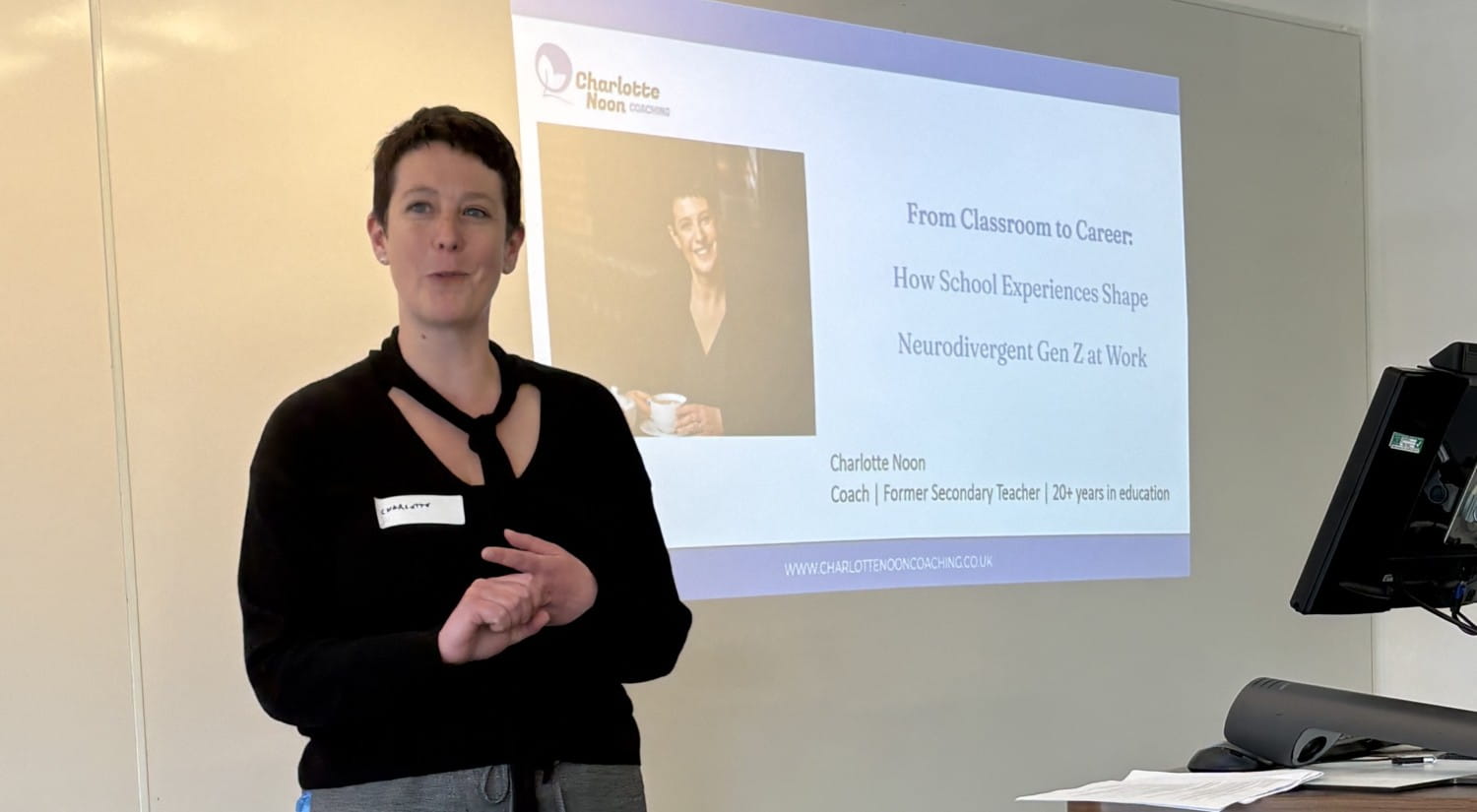
Charlotte Noon

Charlotte Noon sitting at a table holding a cup, with a teapot in front of her.

Title: From Classroom to Career: How School Experiences Shape Neurodivergent Gen Z at Work

Charlotte Noon is a coach and former secondary school teacher with over 20 years’ experience supporting young people through GCSEs and the transition beyond education. She specialises in working with quiet, introverted and neurodivergent teens and young adults, helping them identify their strengths, build confidence, and communicate their value in education and early career settings.

Charlotte’s work focuses on the gap between school expectations and workplace realities. She is neurodivergent herself (ADHD and dyspraxia) and parent to neurodivergent teens she home-educated, bringing both professional expertise and lived experience to her work. She helps parents, educators and employers understand how thoughtful, reflective Gen Z talent can thrive when environments support different communication styles, energy needs and ways of thinking.

Her approach is strengths-based, practical, and grounded in real-world experience of the education system and the emerging workforce.


Read more about Charlotte's work

How to attend

You can book your place through our Microsoft form.

If you have any queries about this event please contact Dr Raysa Rocha (raysa.rocha@essex.ac.uk).

Pitch for policy makers

The Government's Get Britain Working agenda has put workforce participation at the centre of economic policy. Yet 15-20% of UK workers are neurodivergent, and many face barriers keeping them unemployed, underemployed, or struggling in roles where they could thrive.

This challenge is now receiving focused attention from policymakers. The Keep Britain Working review is examining economic inactivity linked to disability and ill health, which commonly overlaps with neurodiversity conditions. In January 2025, the Department for Work & Pensions announced an expert panel on neurodivergent employment. The House of Lords Autism Act 2009 Committee is investigating how to improve support for autistic people, including helping them find and stay in work.

Our British Academy-funded research project speaks directly to these questions.

Join our event

On March 25, 2026, at 10 am at Essex Business School, University of Essex (Colchester Campus), we will host a co-creation event bringing together neurodivergent workers, employers, support organisations, government, associations supporting neuroinclusion and neurodiversity in the UK, entrepreneurs, and researchers. Our goal: translate our academic research on X, Y, Z into actionable guidance.

We will share findings on:

  • What neurodivergent workers need to thrive and flourish at work.
  • Where current workplace adjustments (i.e., reasonable accommodations) fall short and what actually works.
  • How workplace networks shape neurodivergent workers’ career progression and well-being.

Together, we will identify solutions that are suitable for workers, feasible for employers and useful for policy.

Why join in?

Your involvement directly shapes what we produce. The attendants will gain:

  • A first look at new research relevant to the current policy debates and ongoing reviews.
  • Direct insight from the frontline, hear neurodivergent workers and employers describe what practical interventions actually look like in real workplaces.
  • Influence over recommendations, your input will shape our final guidance before publication, ensuring outputs align with what is realistic for policy and practice.
  • Connections across sectors, network with HR professionals, neurodiversity advocates, employers, and researchers working on these issues.

We also want to understand where employers need clearer guidance, and where existing policy could be better supported in practice.