Essex Law Scholar Wins Prestigious APEX Award for Pioneering Work on River Reparations
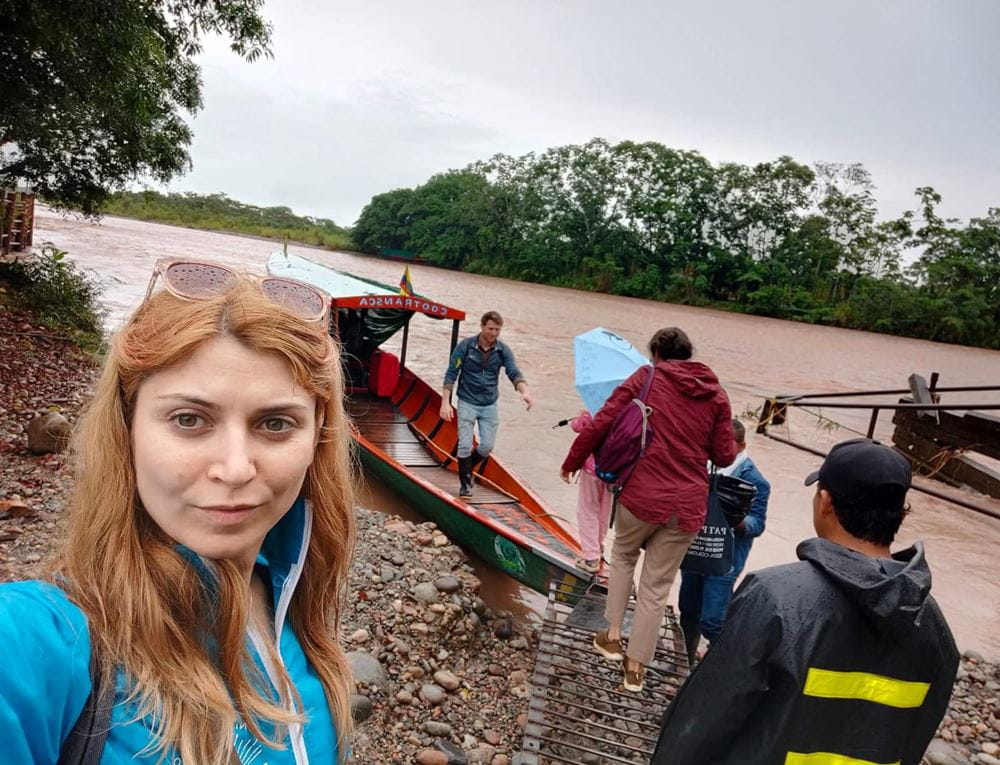

When Colombia’s Special Jurisdiction for Peace declared the Cauca River a victim of armed conflict, it raised an extraordinary question: what does justice look like when the injured party is an ecosystem?
That is the challenge at the centre of a major new research project led by Dr Marina Lostal, Senior Lecturer at Essex Law School , who has just received an APEX Award of nearly £200,000 to explore it. The award, jointly funded by the British Academy, the Royal Society and the Royal Academy of Engineering, is one of the UK’s most competitive interdisciplinary grants. This is the first time an Essex project has been granted this award.
Working with co-investigator Dr Martin Wilkes from the School of Life Sciences, Dr Lostal will examine how a river harmed by war might be repaired, rehabilitated and legally recognised. Their work will bring together ecological field evidence and legal reasoning to develop a set of practical recommendations for the Cauca River’s recovery, which will be shared directly with Colombia’s transitional justice bodies.
The project aims to do something few have attempted: to put the Rights of Nature into practice through the mechanism of reparations. If successful, it could offer a model for future cases around the world where environmental destruction and human conflict collide.
Reflecting on the award, Dr Lostal said: “This project allows us to explore how justice mechanisms can respond to the harm endured by nature itself, not just by humans. It’s an opportunity to translate the ‘rights of nature’ from principle into practice.
Where the Project Comes From
The new project clearly aligns with Dr Lostal’s extensive research on reparations and the protection of the non-human. Her book, International Cultural Heritage Law in Armed Conflict, published by CUP in 2017, offers one of the first clear accounts of how international law protects world cultural heritage during armed conflict, using cases from Syria, Libya and Mali to illuminate gaps in existing regimes.
Besides, Dr Lostal served as a Court-appointed expert in the International Criminal Court’s Al Mahdi case and later worked with the Trust Fund for Victims, helping design reparations in some of the ICC’s most complex proceedings. She is also currently serving as a member for the International Law Association Committee on the Safeguarding of Cultural Heritage in Armed Conflict. Alongside her work on human victims, she has built an international reputation as an expert on protecting cultural property during conflict and now contributes to global debates on animal rights and the rights of nature.
The results of her advocacy and academic work, also available here and here co-authored with Dr Matthew Gillett, have advanced efforts to recognise the environment itself as a victim – an idea that is rapidly gaining traction in both legal and policy circles.
Part of a Growing Essex Community Working at the Cutting Edge
Dr Lostal’s APEX award also reflects a wider shift within Essex Law School, where a cluster of colleagues are reshaping global discussions on environmental and transitional justice. Their work includes Professor Joel Colón-Ríos on constitutional approaches to the rights of nature, Dr Matthew Gillett on the emerging crime of ecocide, Professor Karen Hulme on environmental protection in armed conflict and Professor Sabine Michalowski on transitional justice and Colombia.
Together, they form a research environment where ideas move quickly across disciplines, and where projects like Lostal’s find strong intellectual support.
Dr Lostal is keen to acknowledge the colleagues who helped shape the successful application, including Kai Yin Low, Alexandra Beaumont, Professor Maurice Sunkin and Professor Sabine Michalowski.
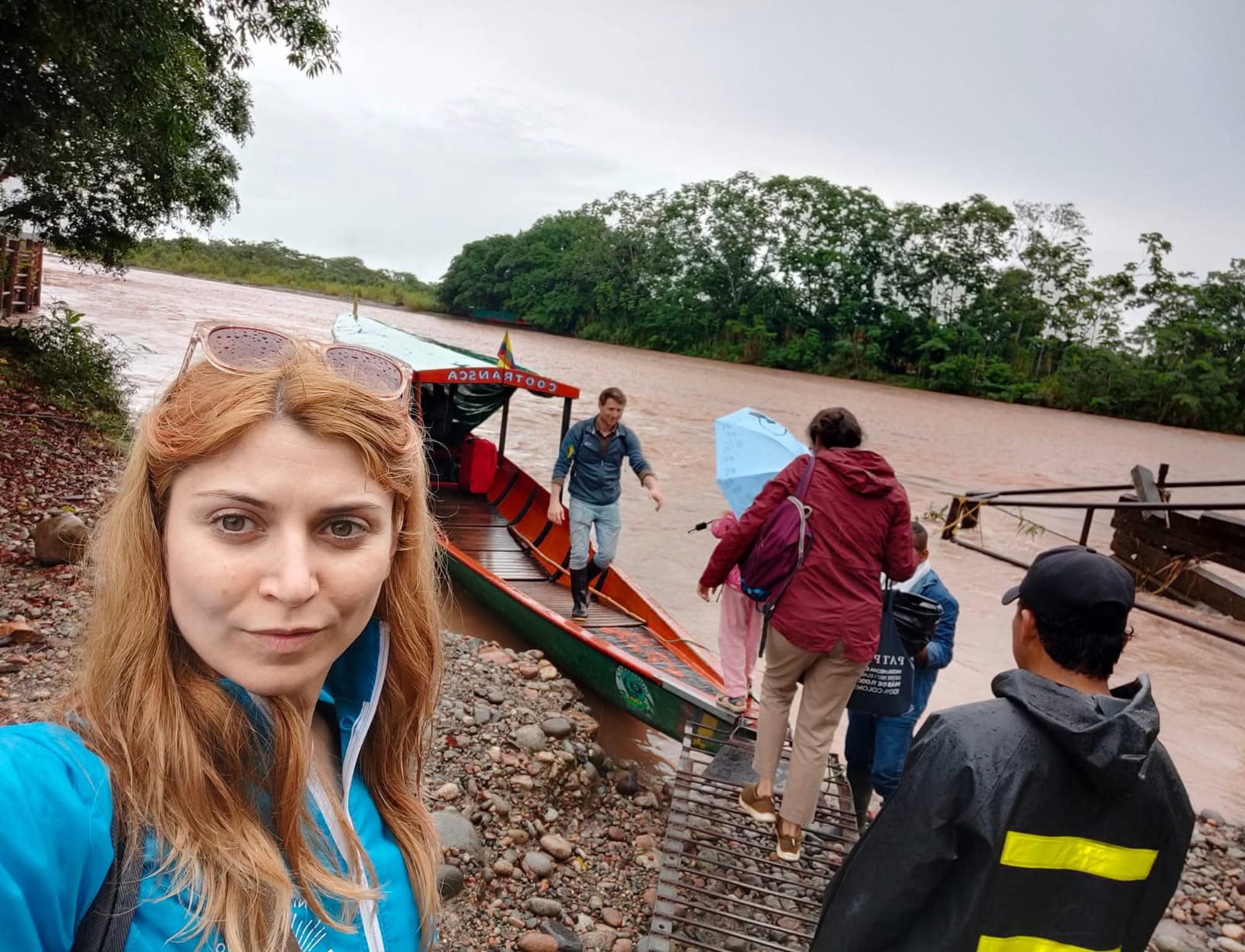
Pictured: Dr Marina Lostal in Colombia, where the APEX-funded project is based.
.jpg)