3.png?mw=300)




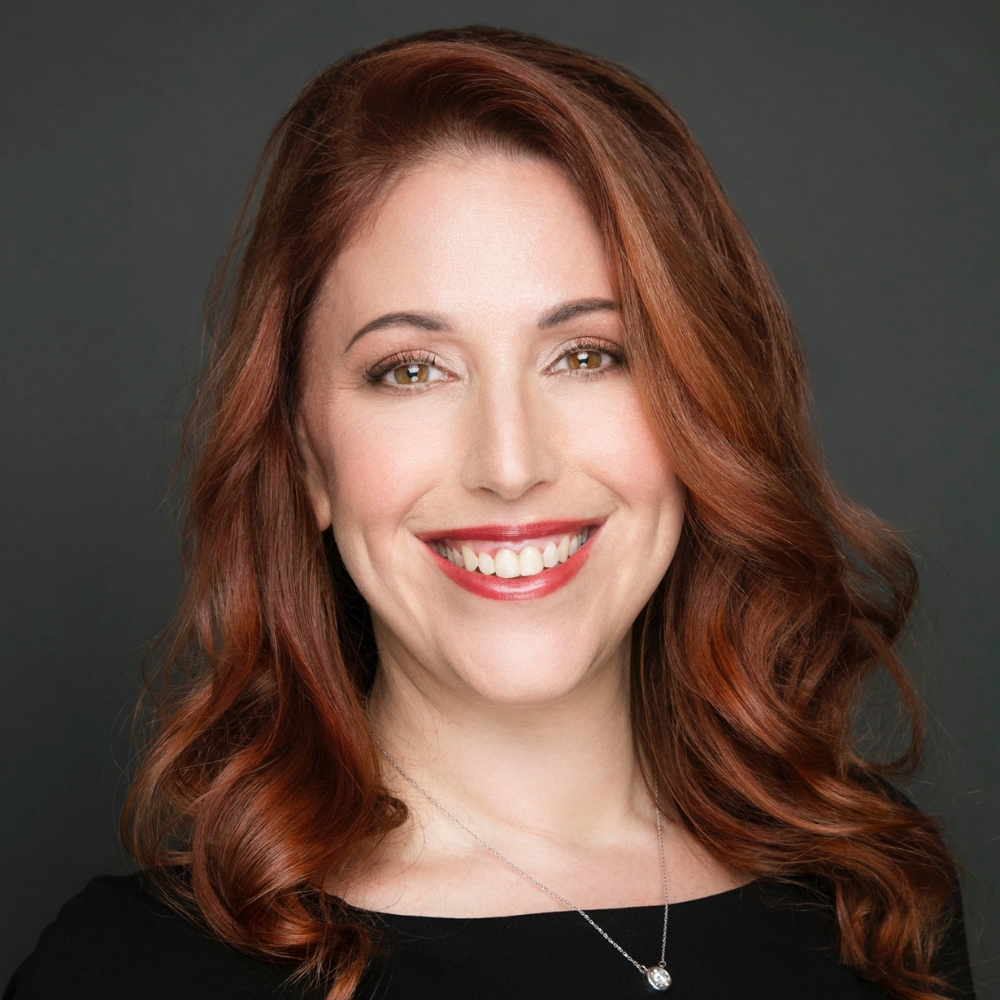
Diana Gerson
-
Email
dg25587@essex.ac.uk -
Location
Colchester Campus
Profile
- Unaccompanied and displaced children, particularly in relation to family, belonging, and care
- Psychosocial and qualitative research methodologies, including participatory approaches with young people
- Child-centred research design in sensitive and high-risk contexts
- The social construction of childhood and family in contexts of migration and displacement
- Global child protection frameworks, including displacement, trafficking, and exploitation
- Community-based and culturally responsive approaches to research and programme design
Biography
I am a PhD candidate in the Department of Psychosocial and Psychoanalytic Studies at the University of Essex. My doctoral research examines how children, particularly those who are unaccompanied, displaced, or living outside conventional caregiving structures, construct and understand family, belonging, and care. Situated within a psychosocial and rights-based framework, the study critically interrogates dominant, adult-centric definitions of family and engages with the social construction of childhood in contexts of displacement and precarity. It seeks to foreground childrens lived experiences in order to inform more inclusive and contextually responsive approaches to social policy, legal frameworks, and systems of care. My research is informed by an interdisciplinary orientation that engages with psychosocial studies, childhood studies, and forced migration scholarship. It is further grounded in qualitative, trauma-informed methodologies, including participatory focus groups and narrative interviews, with an emphasis on meaning-making, relationality, and the role of context in shaping childrens conceptualisations of family. Alongside my academic work, I bring over two decades of experience engaging with multilateral institutions, civil society actors, and community-based organisations in the fields of child protection, safeguarding, and violence prevention. Since 2005, I have served as Associate Executive Vice President of the New York Board of Rabbis, where I lead strategic partnerships and contribute to international policy and advocacy processes, including engagement with the United Nations system. This work has focused on facilitating cross-sector collaboration to address complex and intersecting risks affecting children and families. I currently serve as Senior Advisor for Partnerships and External Relations at the Interfaith Alliance for Safer Communities, contributing to global initiatives addressing human trafficking, online sexual exploitation of children, and safeguarding in digital environments. I am also a member of the UNHCR Multi-Religious Council of Leaders and serve as USA Country Coordinator for the Global Network of Religions for Children, contributing to policy discussions related to displacement, protection, and child rights. In 2024, I co-founded the Global Advocacy Hub for Children and Families, a research and policy platform focused on addressing structural drivers of vulnerability, including poverty, migration, and violence, through evidence-based advocacy and capacity-building. My work seeks to contribute to ongoing debates at the intersection of childhood, family, and displacement, while strengthening the relationship between empirical research and policy engagement. I have contributed to international convenings including the World Economic Forum, the World Government Summit, the United Nations Human Rights Council, and the Summit of the Future.
Qualifications
-
BA in Political Science Rutgers University (USA) (1996)
-
MA Hebrew Literature Hebrew Union College-Jewish Institute of Religion (2000)
-
Rabbinic Ordination Hebrew Union College-Jewish Institute of Religion (2001)
Research and professional activities
Thesis
What is Family? (Evidence-Based) Defining of an Essential Social Construction, Emphasizing Children's Roles and Rights Within Modern Societies
This dissertation examines the social construction of family through the eyes of unaccompanied children, a group whose lived experiences remain underrepresented in existing academic research. While family is conventionally understood as a universal institution, its definition is shaped by adult perspectives, historical periods, and social agreements. This adult-centric approach to legal and social frameworks has also affected family research by excluding children's perspectives.
Supervisor: Zibiah Loakthar , Madeleine Wood
Research interests
Displacement, migration, and family disruption
This research interest examines the impact of displacement and migration on the restructuring of family life, with particular attention to children who experience separation from, or absence of, traditional caregiving arrangements. It explores how processes of forced migration, legal precarity, and institutional care reshape understandings of family, belonging, and relationality.
Child participation and rights
This research interest focuses on the role of children as active agents in the construction of knowledge, policy, and practice. It examines participatory methodologies that centre children’s voices and lived experiences, particularly in contexts of vulnerability and displacement. Engaging with the UN Convention on the Rights of the Child and related frameworks, this work critically explores the extent to which child participation is meaningfully realised in institutional and policy settings.
Psychosocial approaches to childhood and family
This research interest explores childhood and family as socially and relationally constructed concepts, with attention to the interplay between individual experience, social structures, and cultural context. Drawing on psychosocial theory, it examines how identity, belonging, and care are shaped through lived experience, particularly in conditions of instability, displacement, and transition.
Safeguarding, exploitation, and digital environments
This research interest examines emerging risks to children’s safety and wellbeing, with particular focus on the intersections between offline vulnerability and online harm. It explores issues including human trafficking, sexual exploitation, and the evolving challenges posed by digital technologies. Emphasising cross-sector and interdisciplinary approaches, this work considers how safeguarding frameworks can adapt to increasingly complex environments.