


News
Award-winning theatre production brings Scotland's hidden slavery history to life
-
Date
Mon 3 Aug 26

An award-winning theatre production exploring Scotland's role in the transatlantic slave trade will be performed at one of the country's leading arts festivals this week.
Breaking the Silence of the British Slave Trade, created by University of Essex academic Professor Holly Maples in collaboration with historian Dr Inge Dornan from Brunel University London, will be staged at the Govanhill International Festival, in Glasgow, following support from Creative Scotland.
The site-specific production places audiences inside an imagined 18th-century abolitionist meeting, using the real words of campaigners, formerly enslaved people and historical witnesses to tell the story of Britain's slave trade from a different perspective.
Built almost entirely from letters, speeches, court records, poetry and songs, the performance challenges traditional accounts of abolition by highlighting the role played by grassroots campaigners, women, Black British abolitionists and formerly enslaved people in the fight to end slavery.
All photos by Paul Ashley
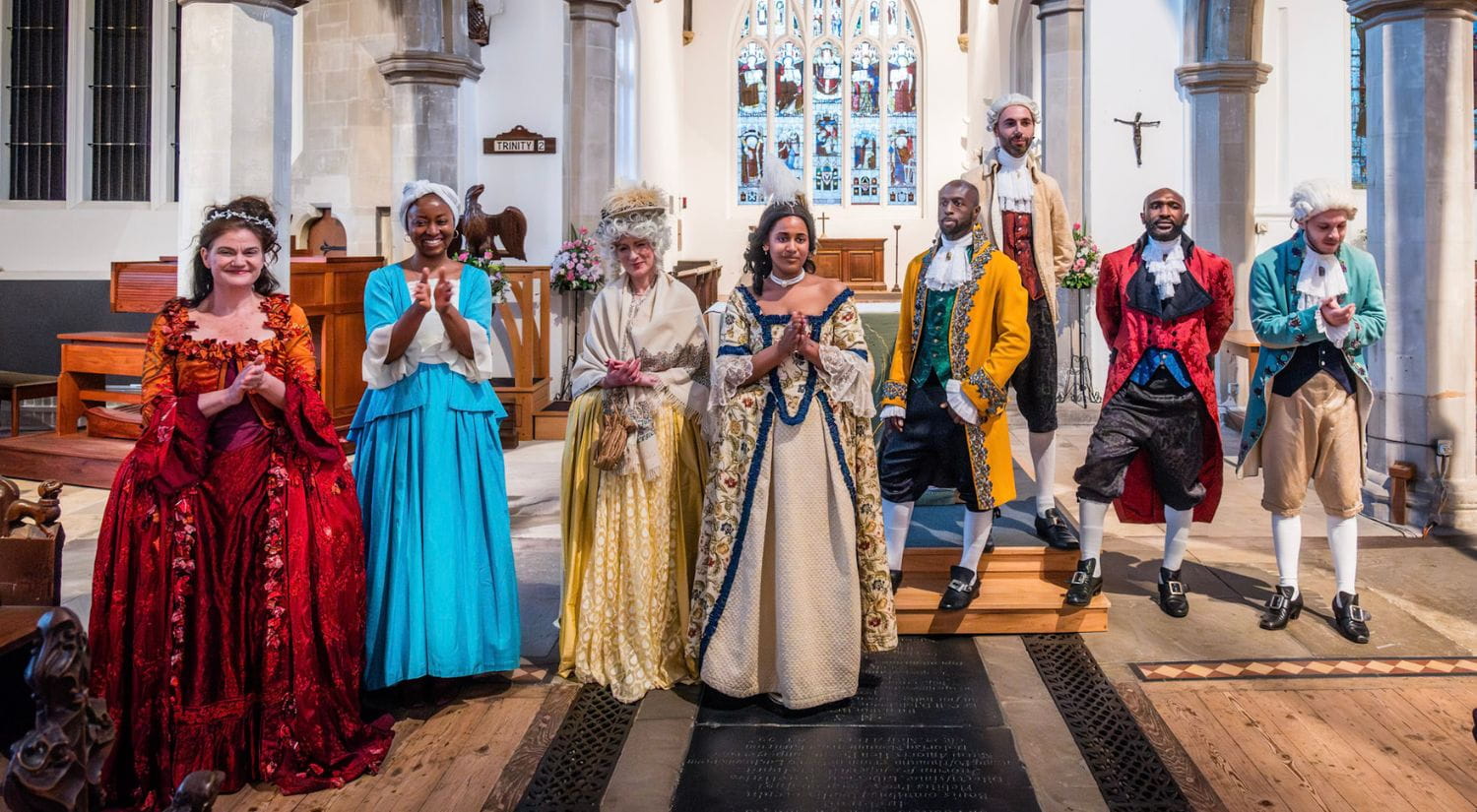
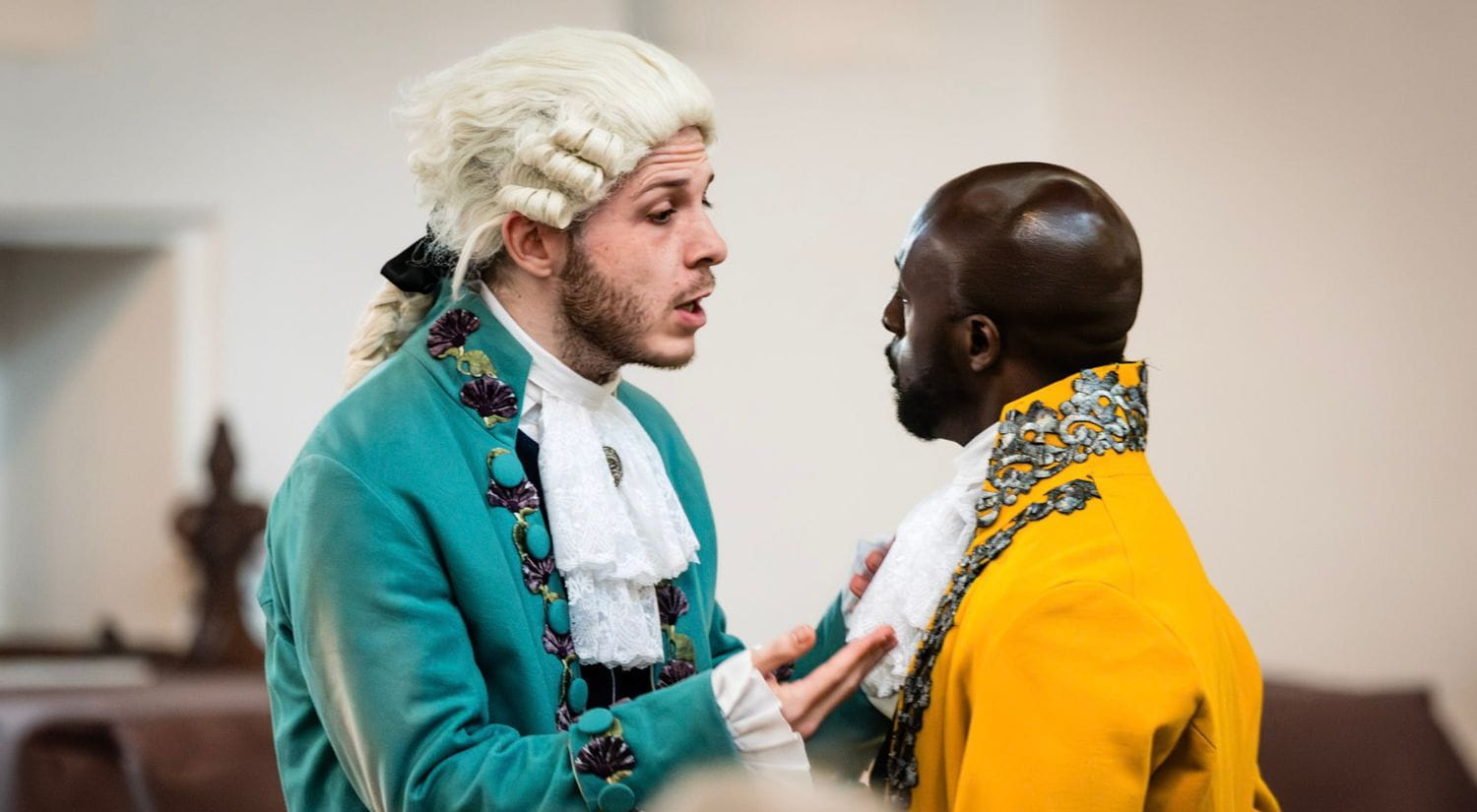
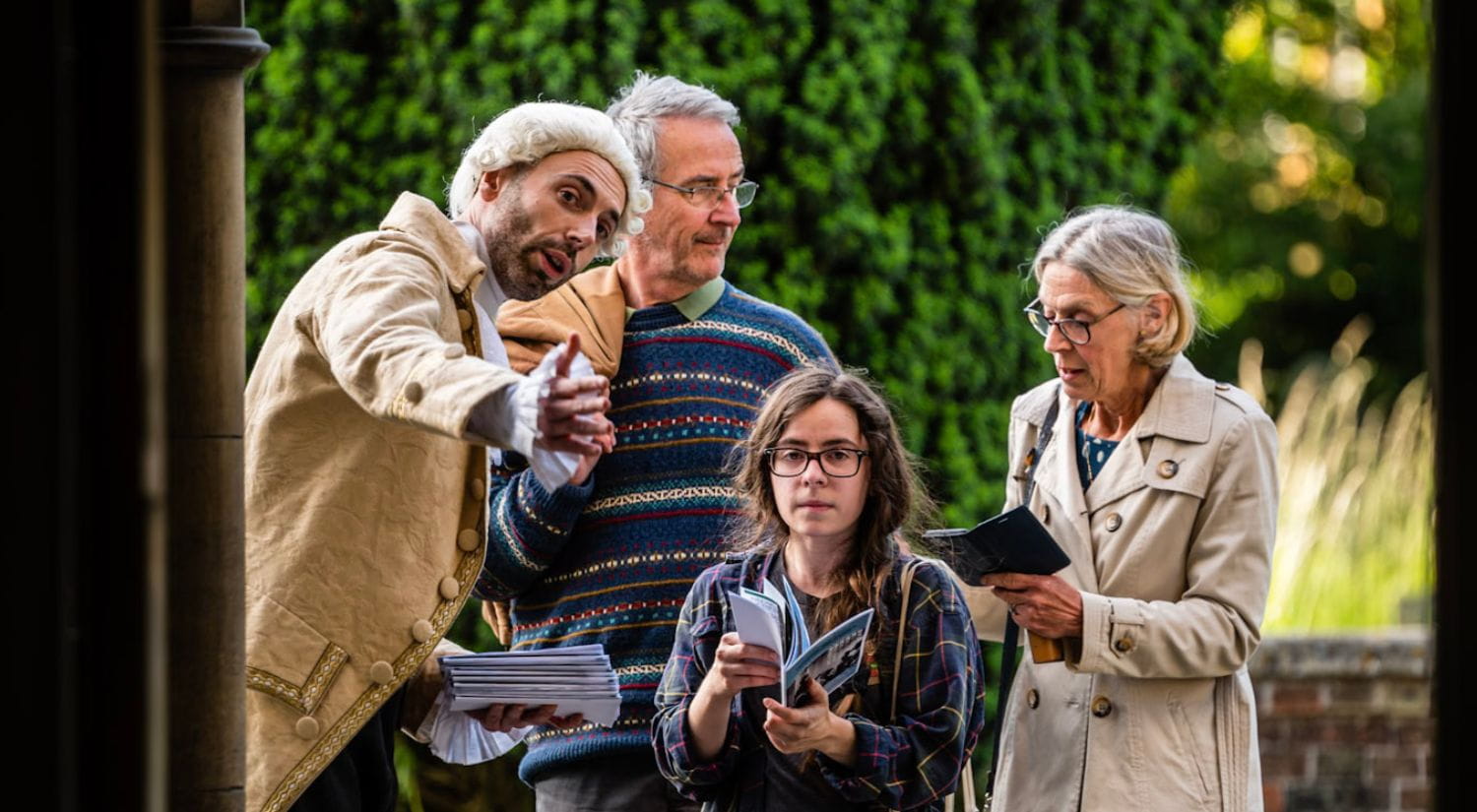
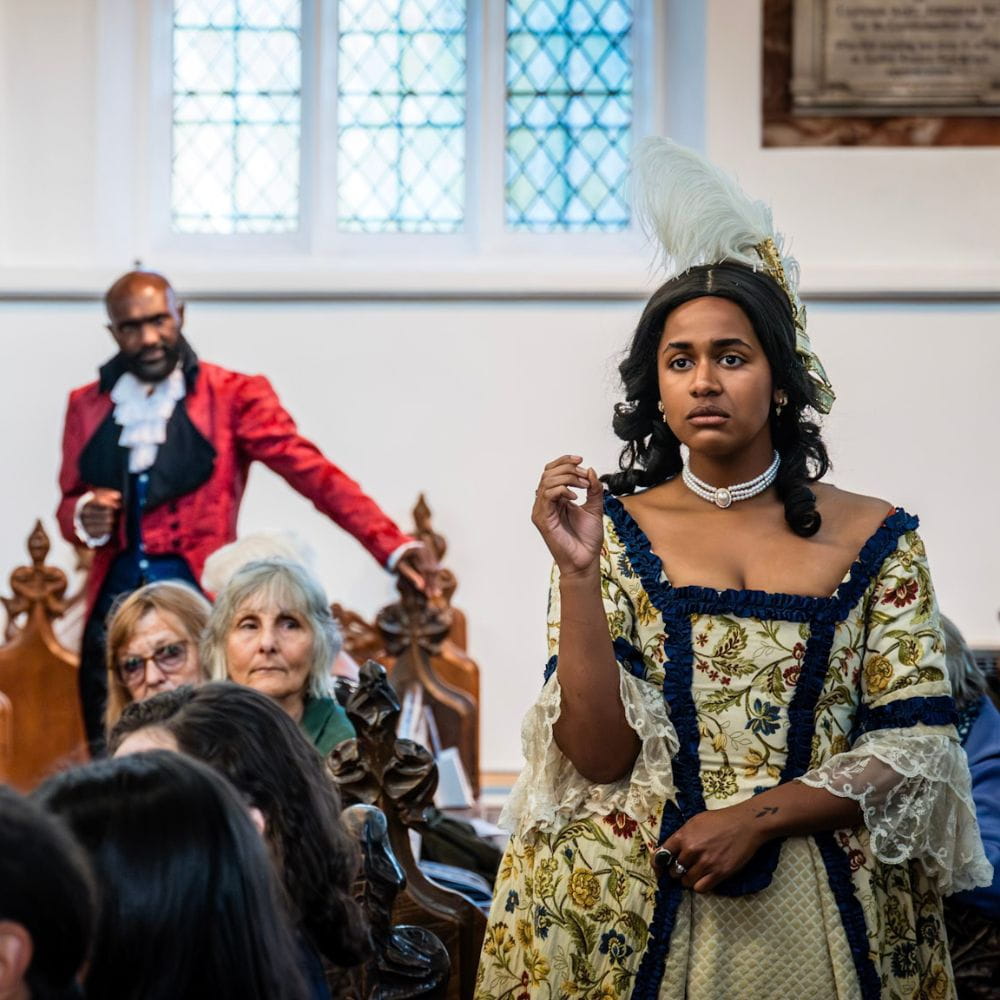
Professor Holly Maples, from East 15 Acting School, said: "Breaking the Silence allows us to use the words of abolitionists to tell the history of the British and Scottish slave trade and slavery, but it also allows us to tell the story of collective action and activism.
"This is a story about ordinary people organising together to challenge the cruelty and injustice of slavery that the powerful kept calling normal, and legal, and good for business.
"That's why it still has so much to say about how we treat one another now, and about how a country chooses to face its own past honestly. Over the years of touring this production, I have found the dialogue and discussion with audiences afterwards to be profoundly moving."
Landmark legal victory
The Scottish production centres on Joseph Knight, an enslaved man who successfully challenged his enslavement through the Scottish courts in 1778. His landmark legal victory effectively ended personal slavery in Scotland.
Historical figures including Olaudah Equiano, Phillis Wheatley, William Dickson, Thomas Clarkson and Elizabeth Heyrick also feature through their own words, offering audiences an immersive insight into the debates and activism that shaped the abolition movement.
Created using verbatim theatre techniques, Breaking the Silence of the British Slave Trade has received research impact awards from both the University of Essex and Brunel University London.
Since premiering in 2019, the production has toured churches and historic buildings connected to Britain's slavery and abolition history, performing at 14 sites across England, including Liverpool, Bristol, Manchester, Nottingham and Fulham.
The new Scottish adaptation builds on that success and will help inform plans for a wider tour of Scotland.
It will be performed on August 5 and 6.
Tickets are available online.