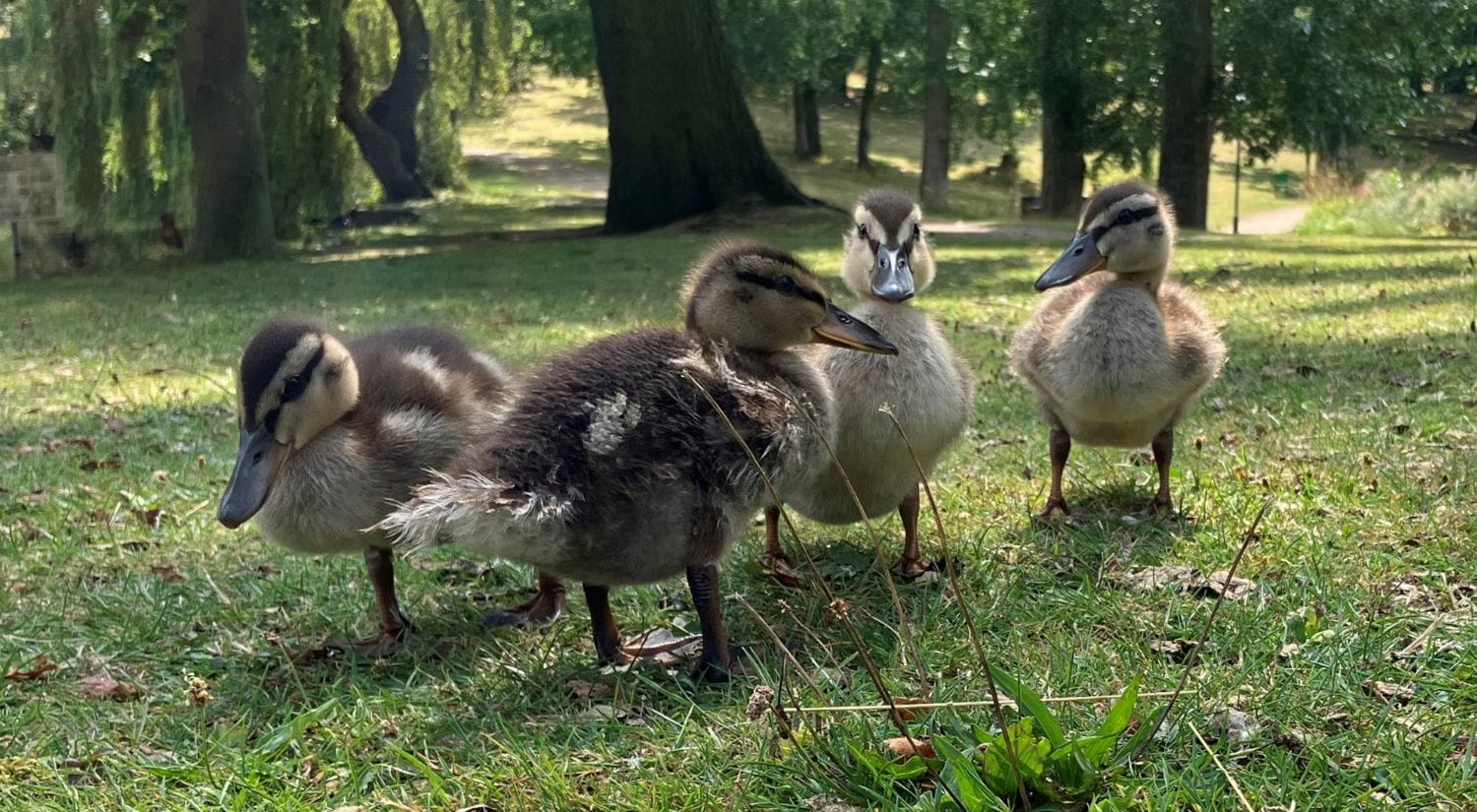
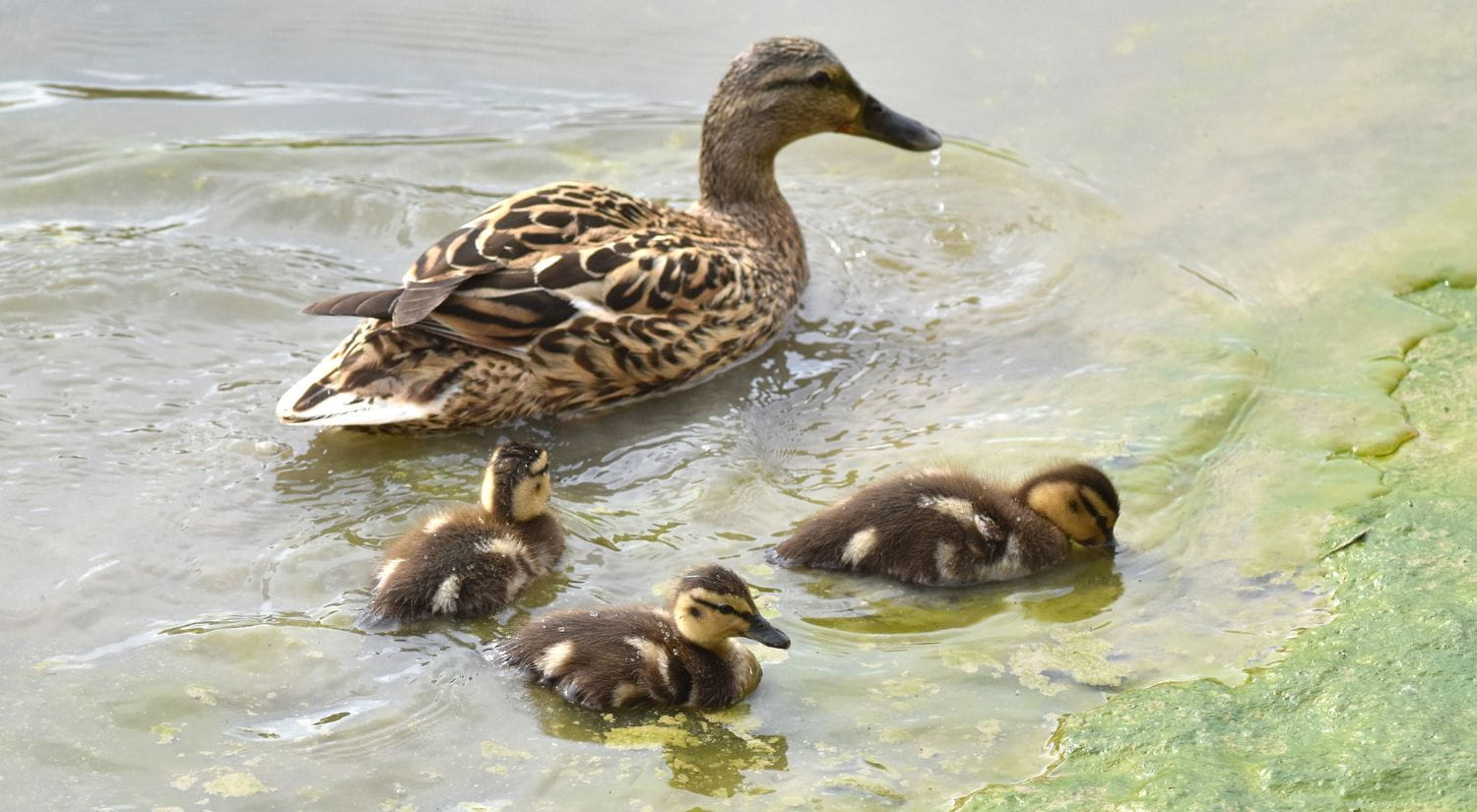
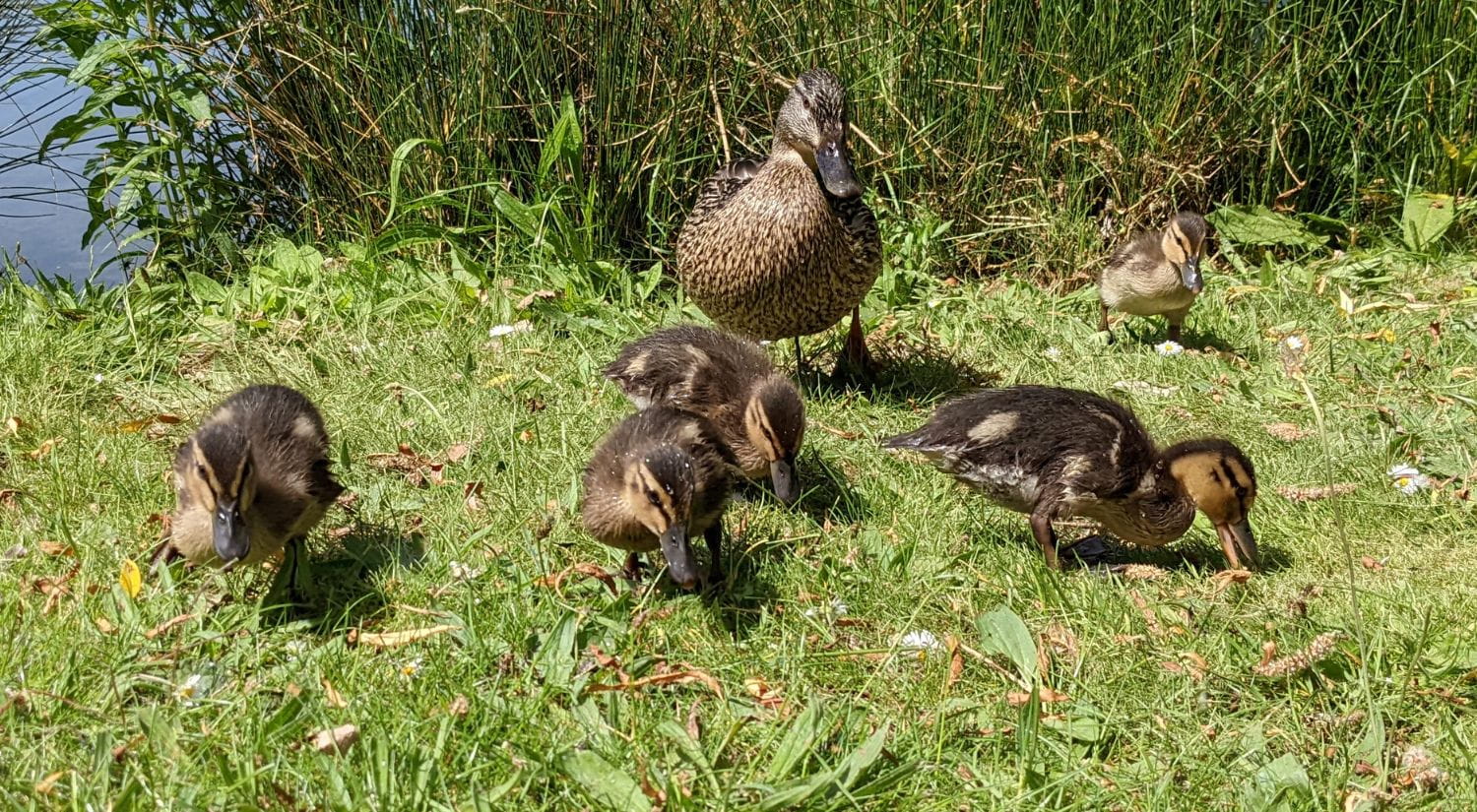
Early findings from last year’s DucklingWatch suggest fewer than one in four ducklings survive long enough to reach adulthood.
The project collected almost 1,000 records from across Britain, providing researchers with valuable insight into mallard broods in parks, wetlands, rivers and ponds.
Now the study is expanding to build a much larger dataset.
PhD researcher Hannah Coburn, from the School of Life Sciences, is leading the project and hopes thousands of volunteers will help track broods throughout the spring and summer.
Become a duckling detective
She said: “We’re asking the public to become duckling detectives.
“If you spot a brood on your local pond or river, recording it could help us solve the mystery of why, so few survive.
“Despite being one of the UK’s most familiar birds, mallards have received surprisingly little research attention here in recent decades.
“Tracking how many ducklings survive those first few weeks can tell us a lot about what might be driving changes in the wider population.
“Our early results suggest fewer than a quarter of ducklings make it to adulthood, which shows how critical those early weeks are.
“That’s why we’re particularly keen for people to record the same broods more than once over multiple days, as repeat sightings help us see how many ducklings are making it through.”
'Clearer picture'
Volunteers are asked to record the date, location, number of ducklings, approximate age and a name for the brood so repeat sightings can be linked.
The project is funded by the Natural Environment Research Council and the ARIES Doctoral Training Partnership and is a collaboration between the University, University of East Anglia, the British Association for Shooting and Conservation, Essex and Suffolk Water and Adonis Blue Ecological Consultants
Hannah added: “People across Britain see ducklings every spring, and those everyday sightings could make a real contribution to the science.
“By recording the broods they spot on ponds, rivers and canals, volunteers can help us understand how ducklings are surviving in different places.
“With enough observations from across the country, we can start to build a much clearer picture of what’s happening to our mallards.”
Volunteers are particularly encouraged to record the same broods more than once over multiple days, which allows researchers to track how the number of ducklings changes over time.
Sightings can come from almost anywhere, from countryside wetlands and farmland ponds to city parks, canals and local nature reserves.
Participants can submit their observations online or via email
3.png?mw=300)