News

Carnivorous “Death-Ball” Sponge among 30 new deep-sea species

  • Date

    Fri 7 Nov 25

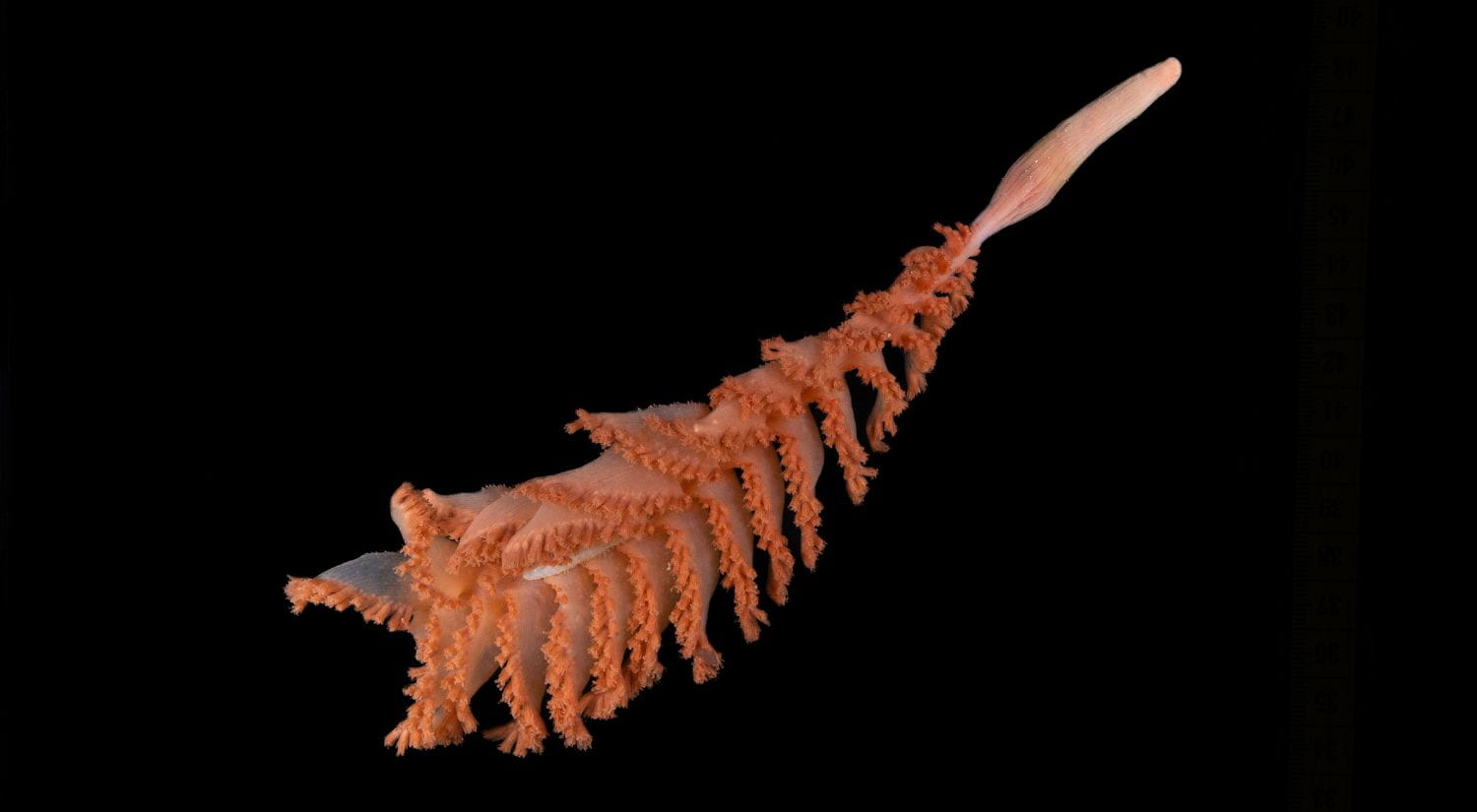
The Carnivorous Death-Ball Sponge

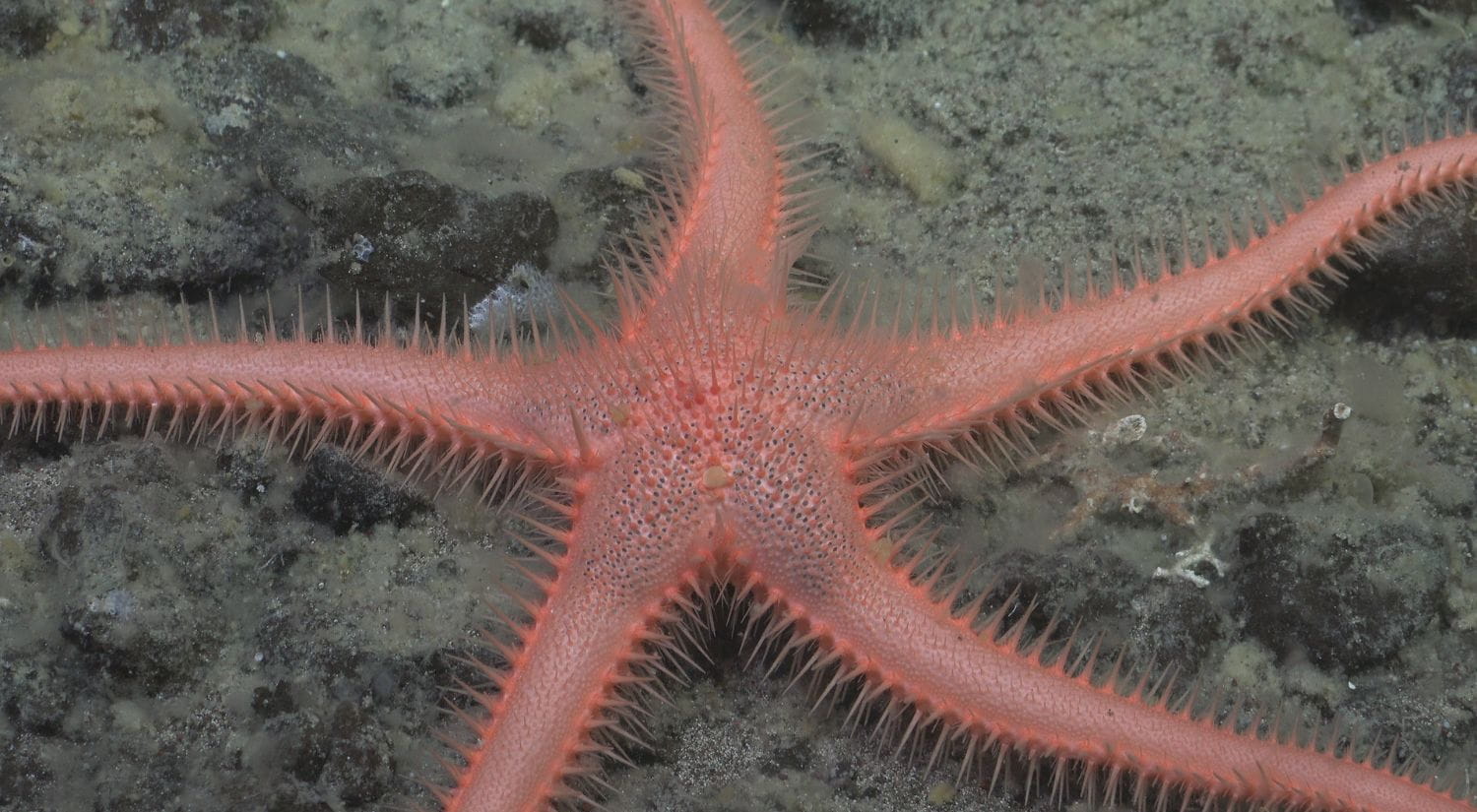
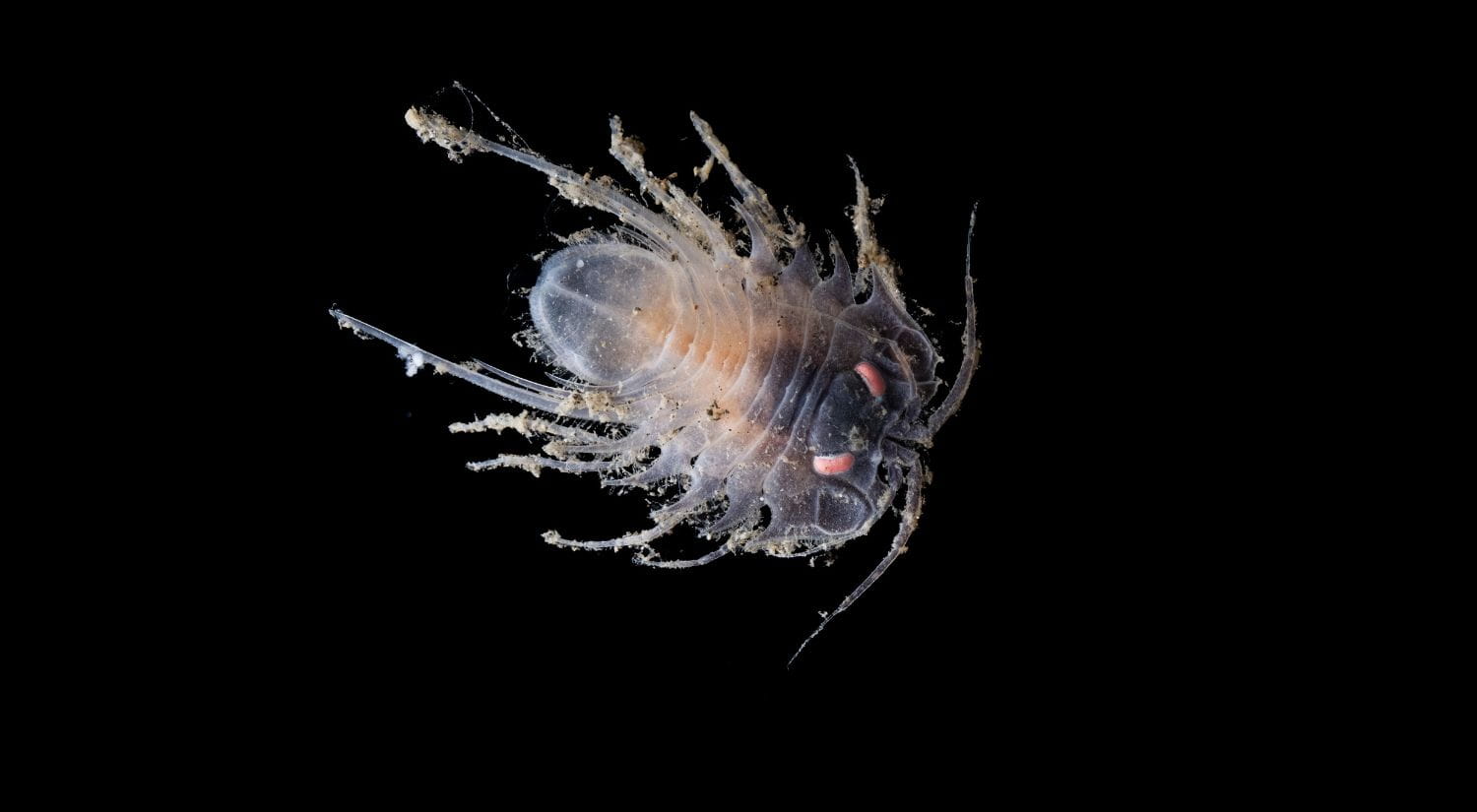
Thirty previously unknown deep-sea species, including a carnivorous “death-ball” sponge, have been confirmed from one of the most remote parts of the planet.

The discoveries were made by The Nippon Foundation–Nekton Ocean Census on research cruises including one led by University of Essex scientist Dr Michelle Taylor.

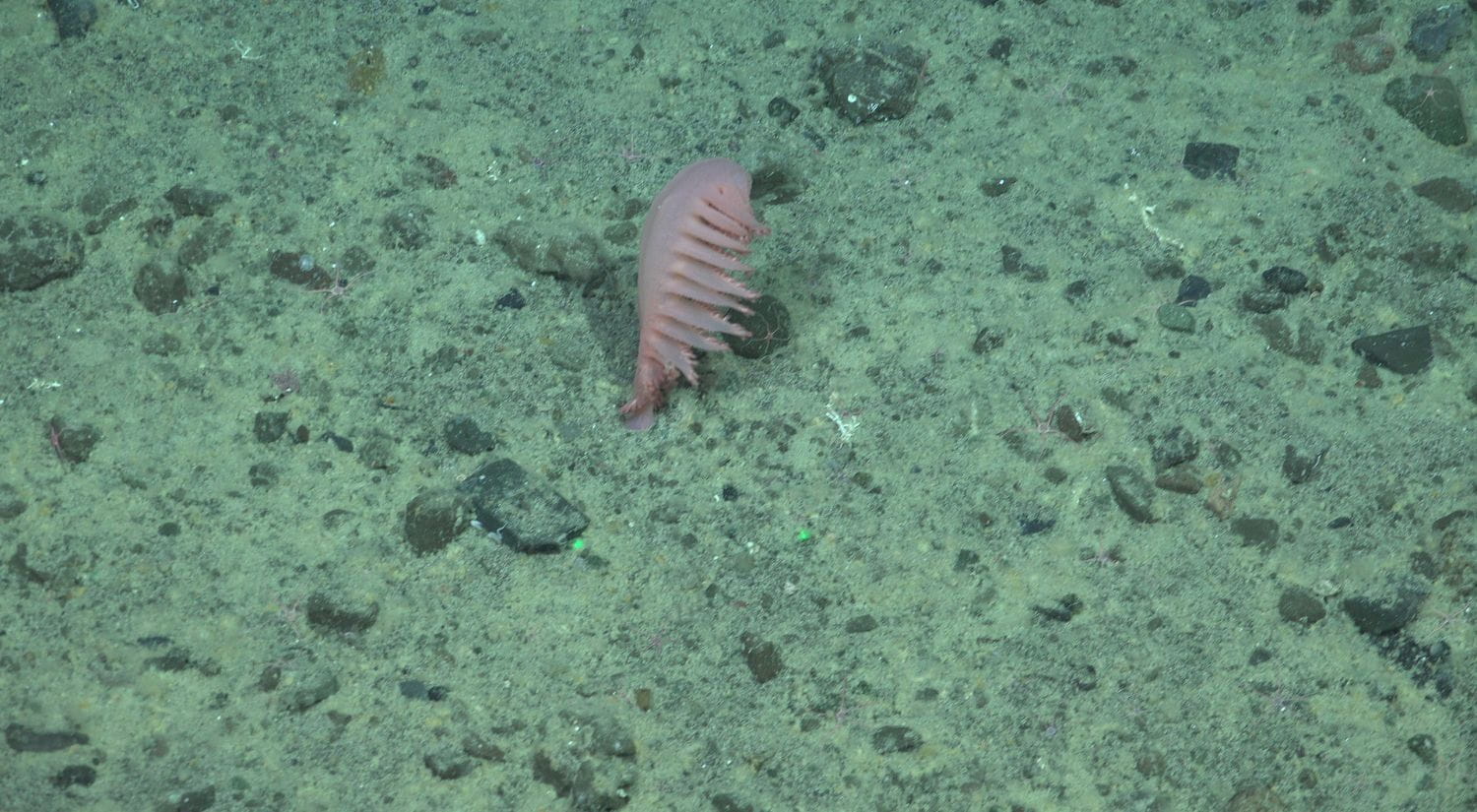
The follow two research cruises this year with Schmidt Ocean Institute and were verified at the Southern Ocean Species Discovery Workshop hosted by Universidad de Magallanes, Punta Arenas, Chile (August 2025).With Halloween just finishing, a standout discovery is a new predatory sponge (Chondrocladia sp. nov.).

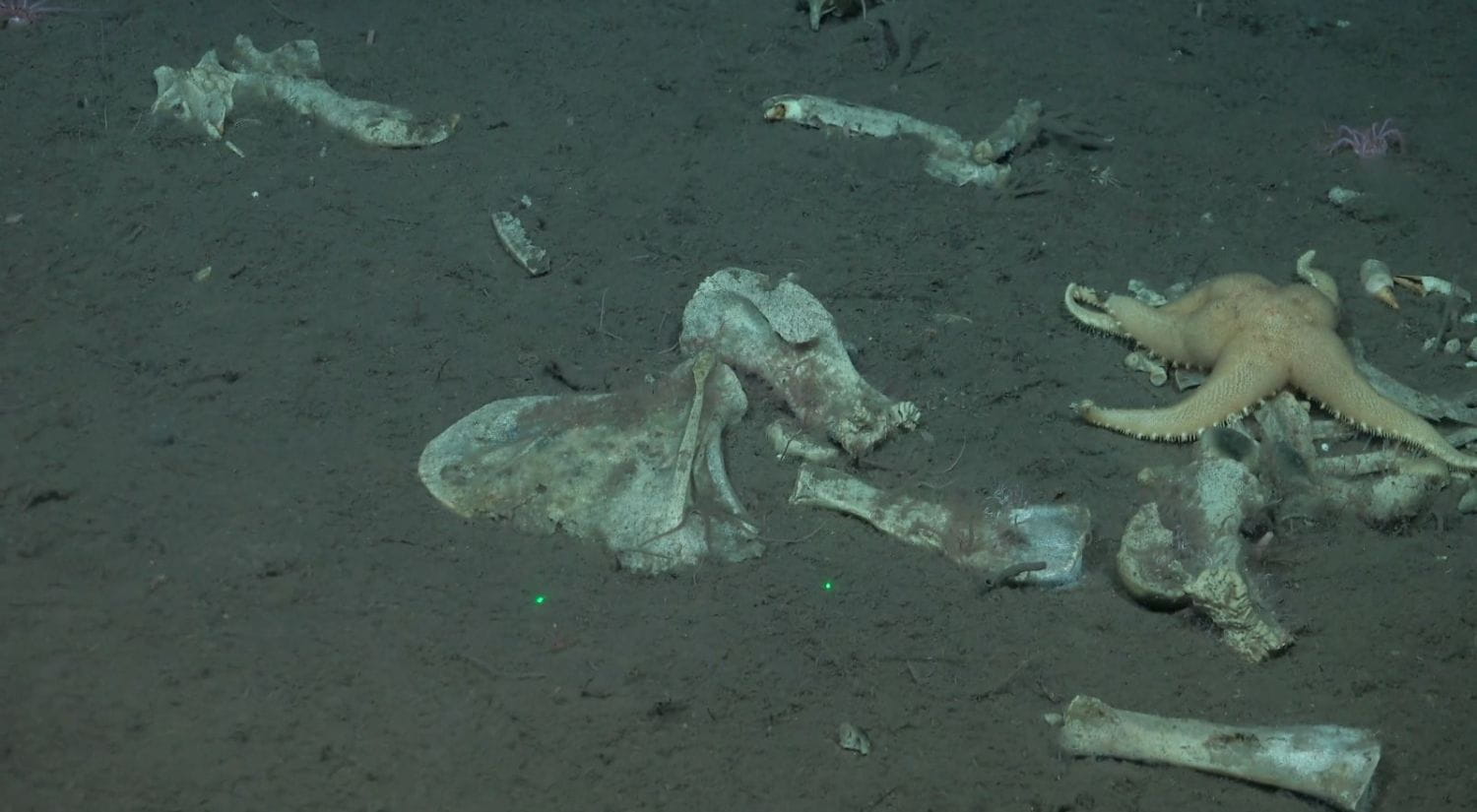
Its spherical form is covered in tiny hooks that trap prey, a clear contrast to the gentle, passive, filter-feeding undertaken by most sponges. ‘Zombie worms’ (Osedax sp.) were also observed.

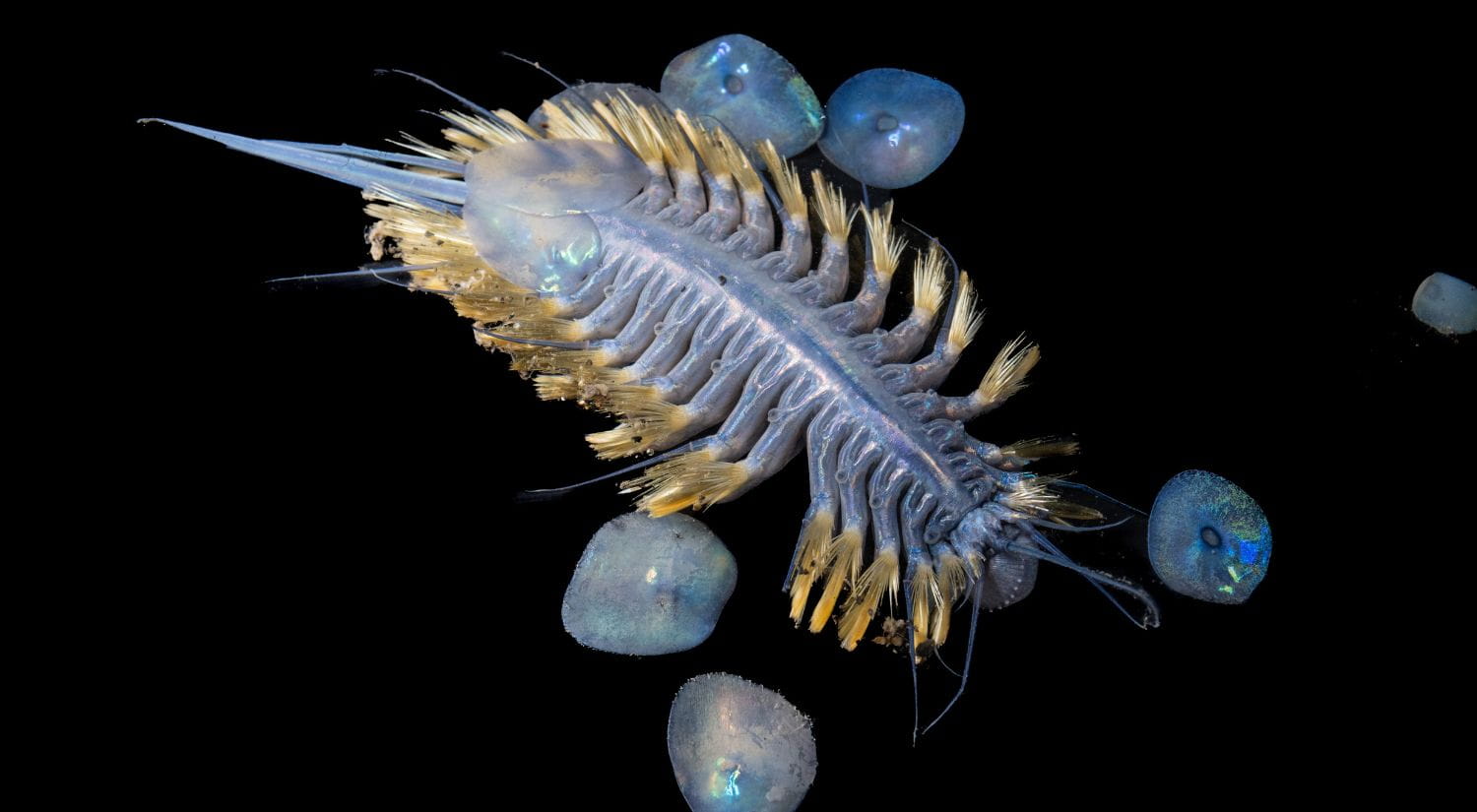
Although not thought to be new to science, these worms have no mouth or gut and rely on symbiotic bacteria to break down fats inside the bones of whales and other large vertebrates.

Photo credits Jialing Cai and The Nippon Foundation-Nekton Ocean Census/Schmidt Ocean Institute © 2025

Mr Mitsuyuki Unno, Executive Director of The Nippon Foundation, who leads Ocean Census with the Nekton Foundation, said: “Accelerating species discovery is not a scientific luxury, it is essential for public good.

“Ocean Census is a program with the goal to reveal the unknowns of our world.

“Through its expeditions, we have seen another ground breaking species discovery that benefits the world’s scientists, policymakers and communities.”

Searching for New Species in the South Sandwich Islands was an Ocean Census Flagship expedition onboard Schmidt Ocean Institute’s R/V Falkor (too) using ROV SuBastian to survey volcanic calderas, the South Sandwich Trench, and seafloor habitats around Montagu and Saunders Islands.

The team collected nearly 2,000 specimens across 14 animal groups (phyla), alongside thousands of high-definition images and hours of video.

Highlights include new hydrothermal vents at ~700 m with chemosynthetic communities, vibrant coral gardens, evidence of explosive undersea volcanism, and the first confirmed footage of a juvenile colossal squid.

Dr Taylor, from the School of Life Sciences, led the voyage to the region near Antarctica, which is so secluded the nearest humans were hundreds of miles away in orbit on the International Space Station.

The School of Life Sciences researcher was joined by PhD student Oenone Scott - who described the trip as a "dream come true".


In addition, three researchers from the Ocean Census Science Network supported an expedition onboard R/V Falkor (too) in the Bellingshausen Sea. When iceberg A-84 (≈510 km²) calved from the George VI Ice Shelf in January 2025, the ship pivoted to the newly exposed seabed, becoming the first to investigate an area previously sealed beneath ~150 metres of ice.

“The Southern Ocean remains profoundly under-sampled. To date, we have only assessed under 30% of the samples collected from this expedition, so confirming 30 new species already shows how much biodiversity is still undocumented,” said Dr Michelle Taylor, Head of Science at The Nippon Foundation-Nekton Ocean Census, and School of Life Sciences researcher.

“By coupling expeditions with species discovery workshops, we compress what often takes more than a decade into a faster pathway while maintaining scientific rigour by having world experts involved.”