News

Finding solutions to safeguard cotton farming in Togo

  • Date

    Mon 27 Oct 25

Female Togo farmer walking in field holding baskets on her head

Finding sustainable solutions to combat the devastating effects of climate change on cotton farming in Togo is the focus of the joint project, led by University of Essex researchers.

Cotton - known as "white gold" in West Africa - is the main agricultural crop farmed in Togo, supporting the livelihoods of nearly 70,000 male and female farmers.

However, over the past decade, the cotton sector has been facing climate-linked challenges, including extreme weather events and increasing soil degradation, which has further impacted already low yield levels. Between 2019 and 2023, cotton production in Togo declined by 66%, largely due to unpredictable weather patterns.

The Essex Business School-led project, is headed by Dr Debashree De, Dr.Shoba Arun and Professor Thankom Arun, working in collaboration with the University of Lomé and Olam Agri-Nouvelle Société Cotonnière du Togo (NSCT).

The collaboration is focusing on the benefits of regenerative agriculture (RA), a type of farming that focuses on a set of principles which work together to improve the environment whilst also enhancing farmer resilience to climate change. These principles include minimizing soil disturbance, keeping the soil covered, maintaining living roots in the soil and favouring organic fertilizer sources.

Funded by the British Academy, this collaboration brings together farmers, community leaders, women and indigenous representatives - not just as beneficiaries of RA but active participants in designing, implementing and monitoring regenerative solutions and policy recommendations.

“Togo’s cotton sector depends on its most vulnerable and indigenous communities, and effective policy must be grounded in their lived experience,” said project lead Dr De.

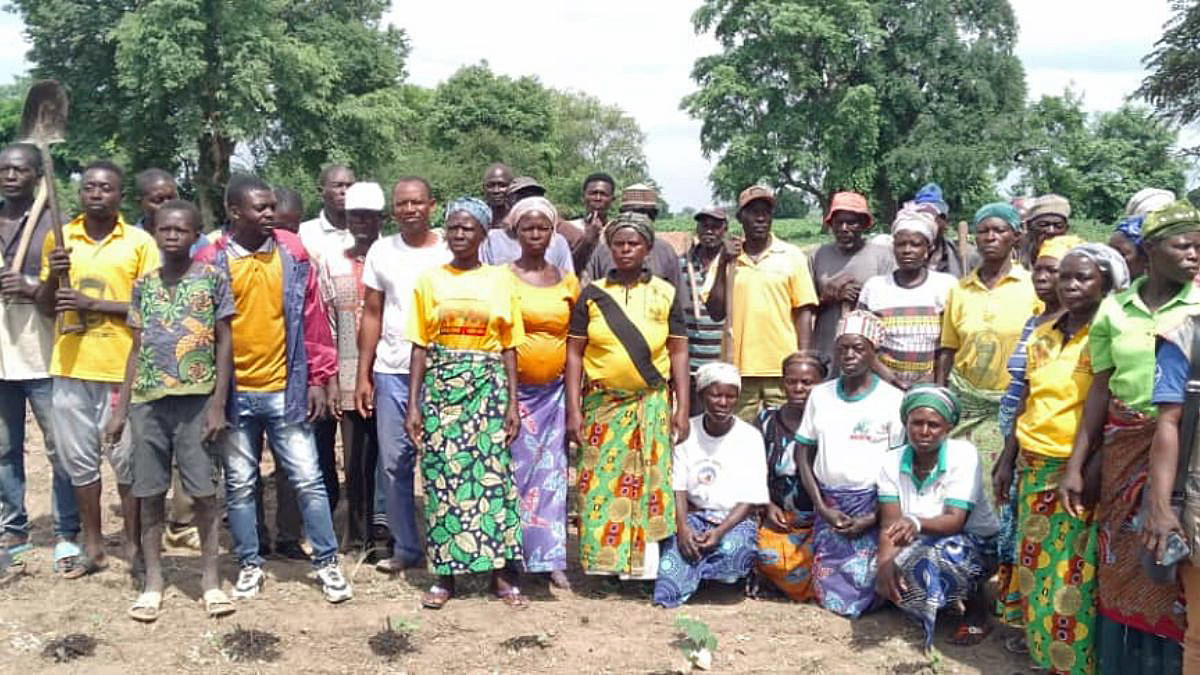
Group of male and female farmers from Togo
Cotton farmers from Togo

Gender equality expert Dr Shoba Arun added: “By putting farmers, women and indigenous voices at the centre of this project we will ensure policies address real challenges and foster lasting resilience.”

Collaboration is the main driver for this project’s success and all major cotton players - including agri-business Olam Agri-NSCT, local cooperatives, policymakers, indigenous community leaders and the Togolese University of Lome - are working hand-in-hand.

“Partnerships between universities, smallholder farmers, and agri-business enterprises are essential to scale regenerative agriculture and build resilient sustainable food systems”, said Dr Kpante Koutando, Regenerative Agriculture Lead at Olam Agri.

An initial survey conducted by the research team in 2024 revealed that some farmers in Togo were already implementing regenerative agriculture (RA) practices on their farms - including crop rotation and integrated pest management - to address rainfall variability, improve soil health and preserve biodiversity.

The project aims to scale-up these grassroots innovations, create a robust business case for RA and develop policy blueprints for wider adoption across Africa’s cotton sector. Special emphasis is placed on equipping women, indigenous and vulnerable farmers with training, support and leadership roles, ensuring their perspectives shape every stage of policy development.

“With everyone is on board – from farmers to policymakers – change will happen as they are all invested in making it a success,” added Dr De.