Exploring Open Educational Resources
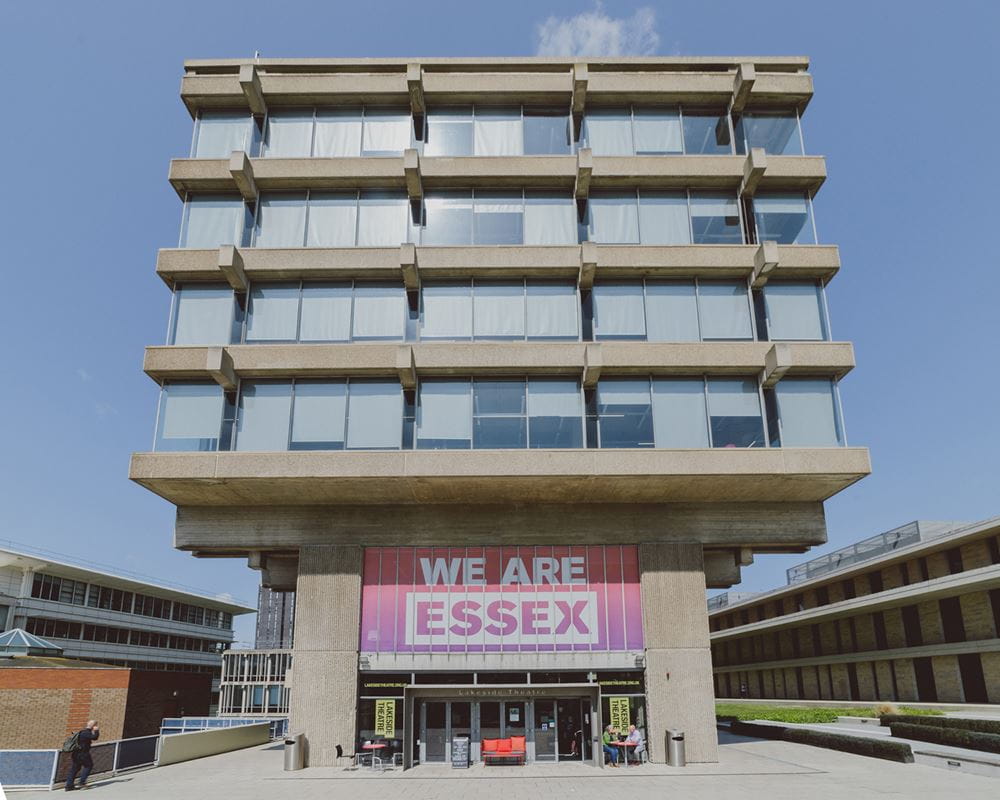


At the University of Essex, we support academic teaching shaped by the principles of openness, collaboration, and research-led practice. As a University, we are embracing Open Educational Resources (OER) as a way to strengthen teaching, widen access, and build a more collaborative academic culture.
If you have been wondering how to make your teaching more flexible, accessible, or representative, you are certainly not alone. In the Library, these are conversations we are increasingly having with colleagues across the University. We are actively exploring how best to support academic staff in adopting more open approaches, particularly through the use of OER.
As part of the University’s wider commitment to supporting the creation, sharing, and reuse of Open Educational Resources, the Library is running a short, practical session within the Education Insights series, alongside developing guidance and resources to make open practice both accessible and achievable in day‑to‑day teaching.
What are OER?
Open Educational Resources (OER) are learning, teaching and research materials openly licensed, meaning they can be used, adapted, and shared freely.1 Whilst that definition can sound technical, in practice OER are often very familiar forms of content, including:
- Lecture slides
- Handouts and learning activities
- Videos and multimedia
- Open textbooks
What distinguishes OER is that they give you the permission and flexibility to adapt materials, rather than working within the constraints of fixed, licensed content.
Why explore OER?
Colleagues across the University of Essex are increasingly turning to OER as a way to widen access, reduce costs, and increase flexibility.
For teaching, OER can:
- Support inclusive and adaptable learning, allowing materials to be tailored to your students and your discipline
- Enable research-led and innovative teaching, with content that can be updated and reshaped
- Reduce reliance on restricted or limited-access textbook models
- Provide opportunities to share your expertise more widely, enhancing both individual and institutional reputation and reach
For students, OER can:
- Provide free and reliable access to essential learning materials
- Offer more flexible and diverse resources that support different learning approaches
- Reduce financial barriers and support engagement throughout their studies
More broadly, OER contribute to a more collaborative academic culture. By sharing and adapting materials, we expand the pool of resources available to all, reduce duplication of effort, and support a more open and connected approach to teaching at Essex and beyond.
Where do you start?
OER sound promising, but practical questions quickly follow:
- Where do you actually find them?
- How do licensing and reuse work in practice?
- What can you safely adapt for your own teaching?
These are exactly the questions we hear most often in the Library, and why we have been developing more structured support to help colleagues get started with confidence.
A practical starting point (join us!)
To help you get started, the Library is running a short, practical session as part of the Education Insights series:
Introduction to Open Educational Resources (OER)
1 June, 11:00 – 12:00
Register via HR Organiser
This practical session will explore how open textbooks and other OER can enhance student access, reduce costs, and support more inclusive teaching practices.
In this session, you will:
- Gain a clear understanding of Open Educational Resources and open licensing
- Explore the benefits of OER for student success and teaching innovation
- Examine the limitations of traditional textbook and ebook models
- Learn how Creative Commons licences enable reuse and adaptation
- Discover trusted platforms for finding high-quality open textbooks in your discipline
This session is ideal for academic and teaching staff interested in improving accessibility and diversifying learning materials.
Other ways to get involved
If you would like to explore further, the Library provides a range of support via:
- Our Open Educational Resources guide, with practical advice on finding and using OER
- The University’s Code of Practice when sharing OER, which outlines key considerations for creating and adapting resources
- Direct support from Library & Cultural Services for developing or integrating OER into your modules
If this has sparked your interest, we encourage you to sign up for the workshop and join us on 1 June.
And if you are not sure where to begin, the Library is here to support you as you explore new approaches to teaching, whether through guidance, conversation, or practical help.