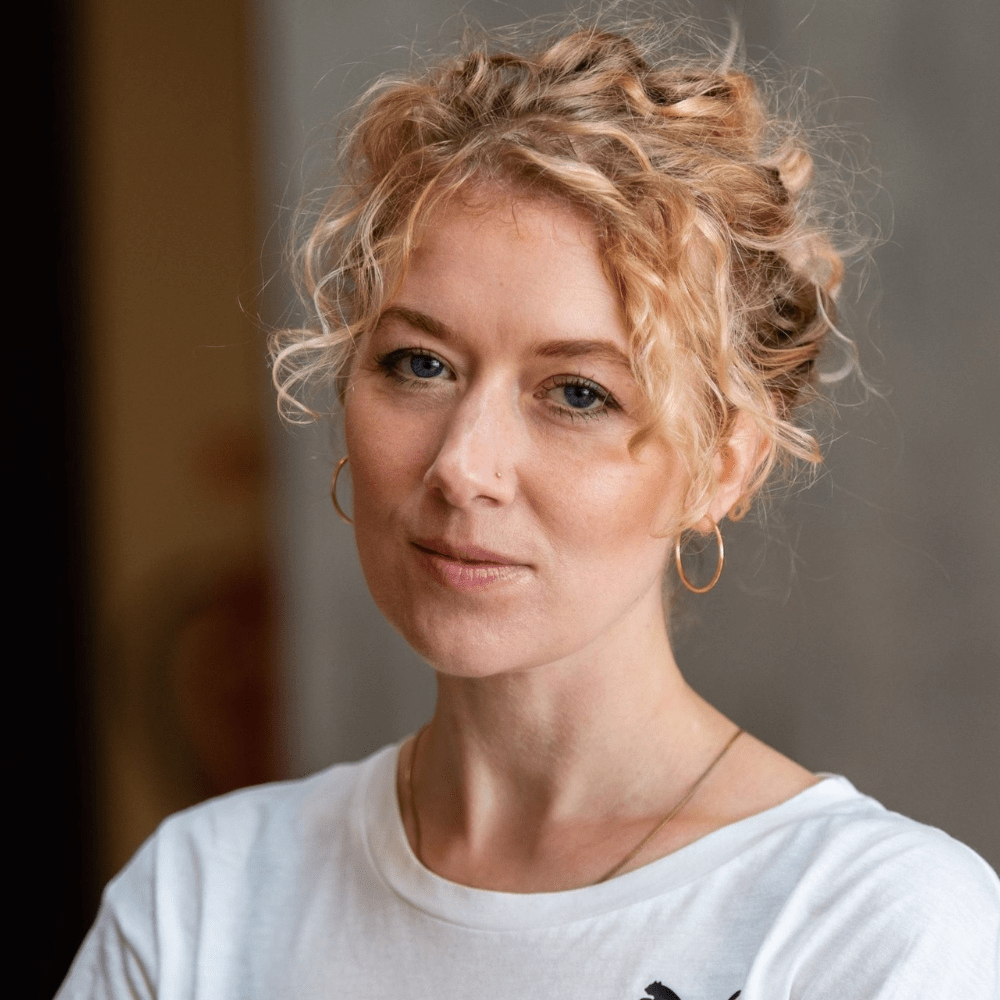
Fernanda Castro has been at the heart of the Colchester Campus community – getting involved in numerous student societies and clubs alongside making an impact through her academic studies.
The BSc Criminology graduate was an executive committee member for two societies: first as Vice-President and later President of the K-Pop Society, and as Publicity Officer and later Vice-President of the Theatre Arts Society. She was also a member of the Latin American Society and the Travel Society. Alongside this, she was a member and captain of the Women's Football Second Team.
She said: “My favourite memories are seeing people genuinely enjoy events that our committees had worked so hard to organise. Whether it was watching people make new friends at socials or being part of theatre productions that brought joy to audiences from across Colchester, it was incredibly rewarding to help people find their own community at the University.”
How Essex encourages students
She also loved the chance to share her enthusiasm with others as the Students’ Union’s Societies Assistant.
“Having been an executive committee member throughout my time at Essex,” she said, “I knew I wanted to continue giving back to the student community. This role gave me the opportunity to support societies across campus by working closely with committees to help bring their ideas and events to life. I also helped expand societies’ reach through social media and supported executive members in developing the skills and confidence needed to run their societies successfully.
“Looking back, it was one of the experiences that made me feel most connected to the University and confirmed how much Essex encourages students to get involved beyond their studies.”
Inspiring studies at Essex
Alongside her extra-curricular activities, Fernanda enjoyed a rich learning experience. She said: “One of the most inspiring aspects of studying at Essex was learning from lecturers who encouraged us to think beyond Western perspectives and critically examine our own experiences through a criminological lens. It made me realise that, although criminology is increasingly moving away from Western assumptions, there is still much more work to be done — and that, as someone from Latin America, I could contribute to that conversation.
“Among the lecturers who shaped my journey, my dissertation supervisor, Dr Magda Borkowska, had a particularly significant impact. She helped refine and guide my ambitious ideas throughout the research process, transforming them into a project I am incredibly proud of.”
This supportive environment also helped Fernanda develop her research skills through the Q-Step programme and pursue her interests through her dissertation.
Taking on important issues through research
“My final-year dissertation explored how Latin American news media frame organised crime and feminicide,” she said. “Using quantitative text analysis, I analysed Spanish-language news articles from five Latin American countries to examine how emotions such as fear, trust and anger shape media narratives around crime.
“I wanted to challenge the idea that media representations of crime can only be understood through Western theories such as moral panic. Instead, my research found that these narratives are often shaped by broader histories of violence and insecurity, which can be better understood through the concept of cultural trauma.
“I believe this research is important for both criminology and forensic science because media coverage plays a significant role in shaping public perceptions of crime, influencing how victims and offenders are understood. By applying quantitative methods to examine these patterns, the project also demonstrated how data-driven approaches can generate new insights into crime and justice - an area I hope to continue exploring throughout my postgraduate studies and future career.
“Most importantly, it highlighted the value of amplifying perspectives from marginalised communities — in this case, Latin American and Spanish-language media — which are often overlooked in mainstream criminological research.”
Awards recognition
During her time at Essex, Fernanda was fortunate to receive several academic awards. She was awarded the Fuller Bequest Prize and named to the Dean’s List in both her first and second years for achieving the highest overall marks in her degree course. In her final year, she received the Fuller Bequest Project Prize for achieving the highest mark in her dissertation.
Fernanda added: “These awards were especially meaningful because they reflected the consistency of my work throughout my degree and my willingness to challenge myself academically. For my dissertation, I chose to use a quantitative research method that was neither taught as part of my course nor commonly used within my discipline. I was advised that it would be too difficult to undertake, but I chose to learn and apply it independently. Seeing that work recognised through the project prize made all the time, effort and challenges incredibly worthwhile.”
Now Fernanda will be continuing her studies at UCL, where she wants to explore how quantitative methods can contribute to criminological and forensic research. She hopes this will provide a strong foundation for a career in forensic investigation and research.
Advice for Essex students - go for it!
And, of course, her advice to new students is simple: get involved.
She said: “My biggest piece of advice is to get involved in absolutely everything you can. Essex has so much to offer beyond your degree, from societies and sports to volunteering, leadership opportunities and on-campus jobs. Don’t be afraid to step outside your comfort zone and try something new.
“Not only will these experiences help you build your CV and give you valuable skills for life after university, but they will also help you make lifelong friendships and discover interests you never expected. By the time you graduate, you’ll have the satisfaction of knowing you truly made the most of everything Essex had to offer.”
3.png?mw=300)