Neurodiversity Celebration Week 2026: “Prioritising for you with neurodivergence”
Personal stories from Essex staff
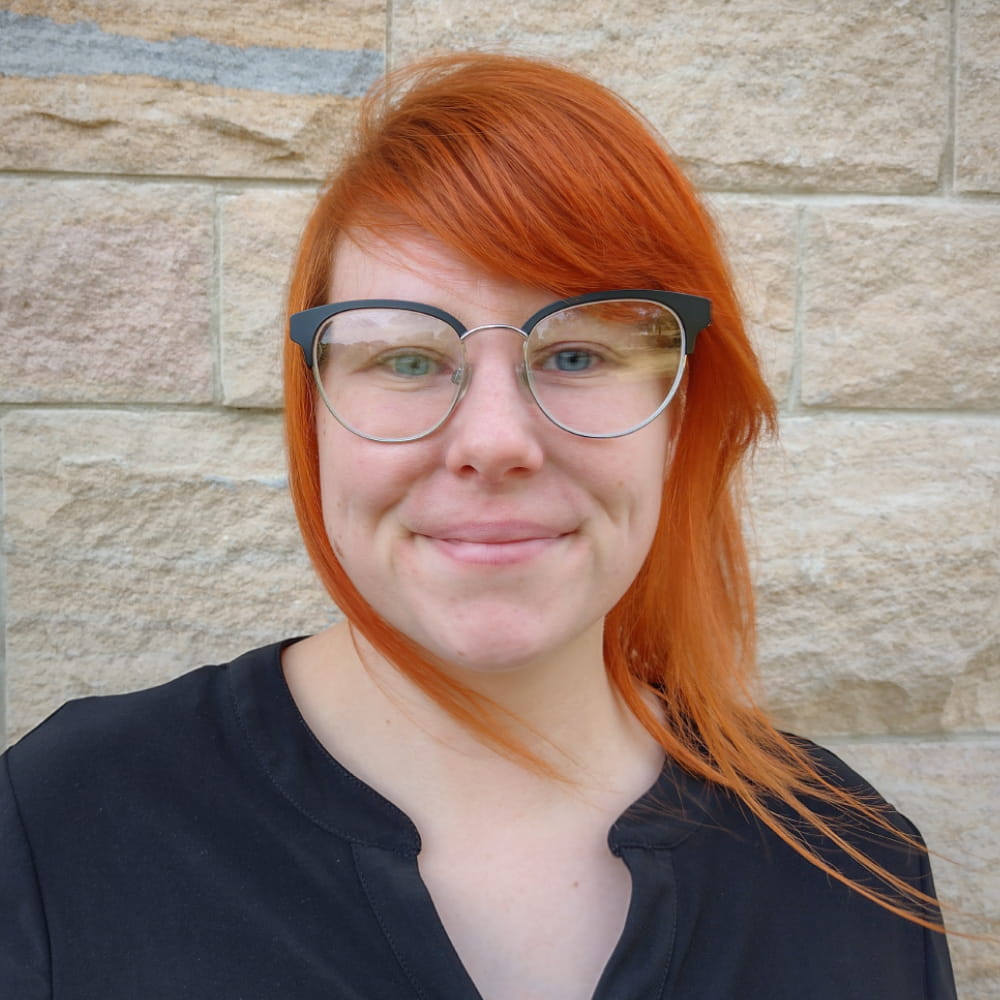
Cerys Somers
Hello, I’m Cerys! I work in the Quality and Academic Development team. I’m diagnosed with ADHD, Autism, and Chronic Migraines. I wrote a blog in 2024 about my neurodiversity discovery journey, so won’t go into the discovery side of things here.
It’s been two years since my last blog and, unsurprisingly, a lot has changed - and a lot has stayed the same. I have a better work-life balance, a better understanding of how to take care of myself in the workplace – and my house is still a perpetual mess.
Let’s start with the chaos: my home life. I still haven’t quite figured out the knack for keeping on top of personal admin, chores, medical appointments and so on, but I have developed a few systems to keep me from completely losing track. A shared Trello board with my partner has been a life saver for keeping our shopping list updated and preventing either of us forgetting essentials. I’ve also set aside one weekday evening to catch up on cleaning, with a liberal amount of snacks, to help keep the house from falling into complete disrepair.
I think a lot of neurodivergent people, and those with chronic illnesses, struggle with finding the right balance between home and work. It’s hard when your health or disability affects your ability to work, and it’s even harder when you feel guilty for not meeting the standards you want to meet - especially society tells us to give “100%” (which I used to take very literally). This can push you into a cycle of stress, overcompensation, loss of meaningful personal time, and eventually burnout. Living with neurodivergence and chronic illness is a mental battle, as well as a physical one, and you’re not always on your own side.
What’s become clear to me is that balancing priorities with capacity, health, responsibilities, and wants on any given day is essential. At work I’ve learned to pause and identify what truly needs to be done instead of trying to do absolutely everything to the highest standard all the time. Over the last year, I’ve made two key changes that have helped me take better care of myself and have subsequently improved my work performance.
First, I’ve stopped pushing through the days when my brain feels like sludge. Instead, I give myself grace to take things slowly. It sounds counterproductive, but if I force myself to focus on a day where my brain doesn’t have the capacity to, I end up extending my slump and have little to show for it. Whereas, if I accept myself in that space as someone needing to take things more slowly, and do whatever is needed to get through it, I bounce back quicker. Planning for this kind of fluctuation has also been key. I spread my larger tasks over multiple days rather than relying on one big focus block, so if something derails me, I only lose a small portal of progress instead of the entire plan.
Secondly, I stopped drinking caffeine for work. Because of my migraines I have to limit my caffeine intake, and I realized that by using caffeine to get through my workday, I was prioritizing work over my personal life. I would be comparatively energetic throughout the morning and early afternoon, only for my energy levels to completely deplete in time for me to spend my personal time unable to do much except watch TV and scroll social media. I struggled to find the energy for the hobbies that bring me joy, my life felt like it was focused around work, and this had an impact on my stress levels and emotional regulation. Now, if I am going to have caffeine I take it toward the end of my workday to energise myself for my personal time and feel much better for it. I feel more resilient, am better able to enjoy my free time, and feel more able to deal with the personal admin tasks that previously I didn’t have the energy for.
These are just a couple of ways I’ve learned to accommodate myself better. There are countless strategies out there, but the common theme is giving yourself grace and kindness. Decide what matters most in any given moment - whether that’s slowing down because you’re feeling unwell, focusing on a report that’s due, or saving energy for seeing friends that you’ve been meaning to catch up with - and shifting your expectations accordingly. If something needs to be deprioritised so you can make space for what matters, that’s okay. You don’t have to do everything to the best of your ability all the time – and neither should you expect yourself to be able to sustain that.
You’re always welcome to reach out to me. Wherever you are in your neurodiversity journey – you are not alone. We’re lucky to now have a Neurodiversity Staff Support Forum which I’ve found incredibly helpful for connecting with others who have similar experiences.
Take care of yourselves and remember that you don’t have to play life on hard mode. You are allowed to do whatever you can to make things easier for yourself.