Sun 9 Aug 26
The next generation of NHS scientists will train in a £2.5 million laboratory designed to help meet growing demand for skilled biomedical professionals.
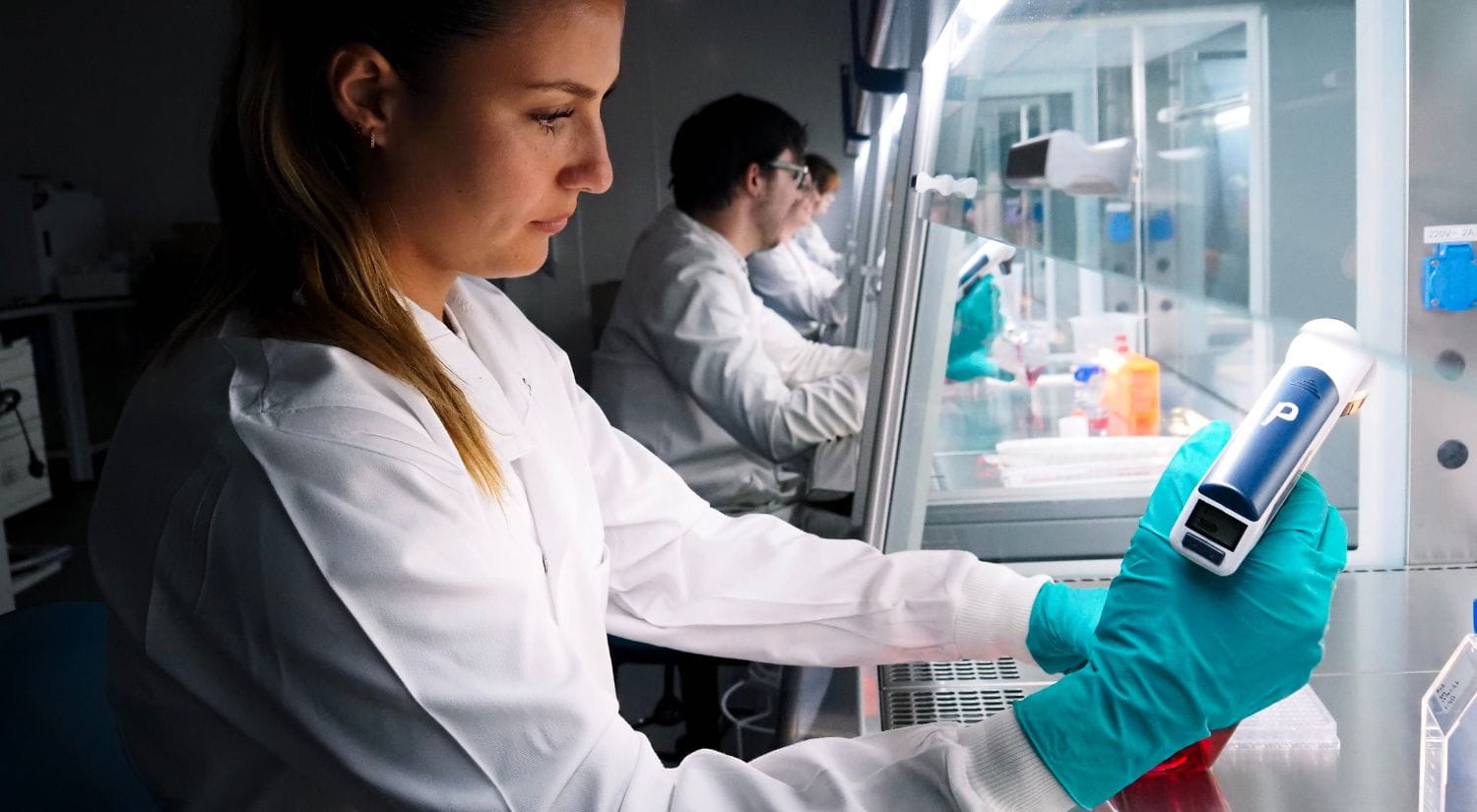
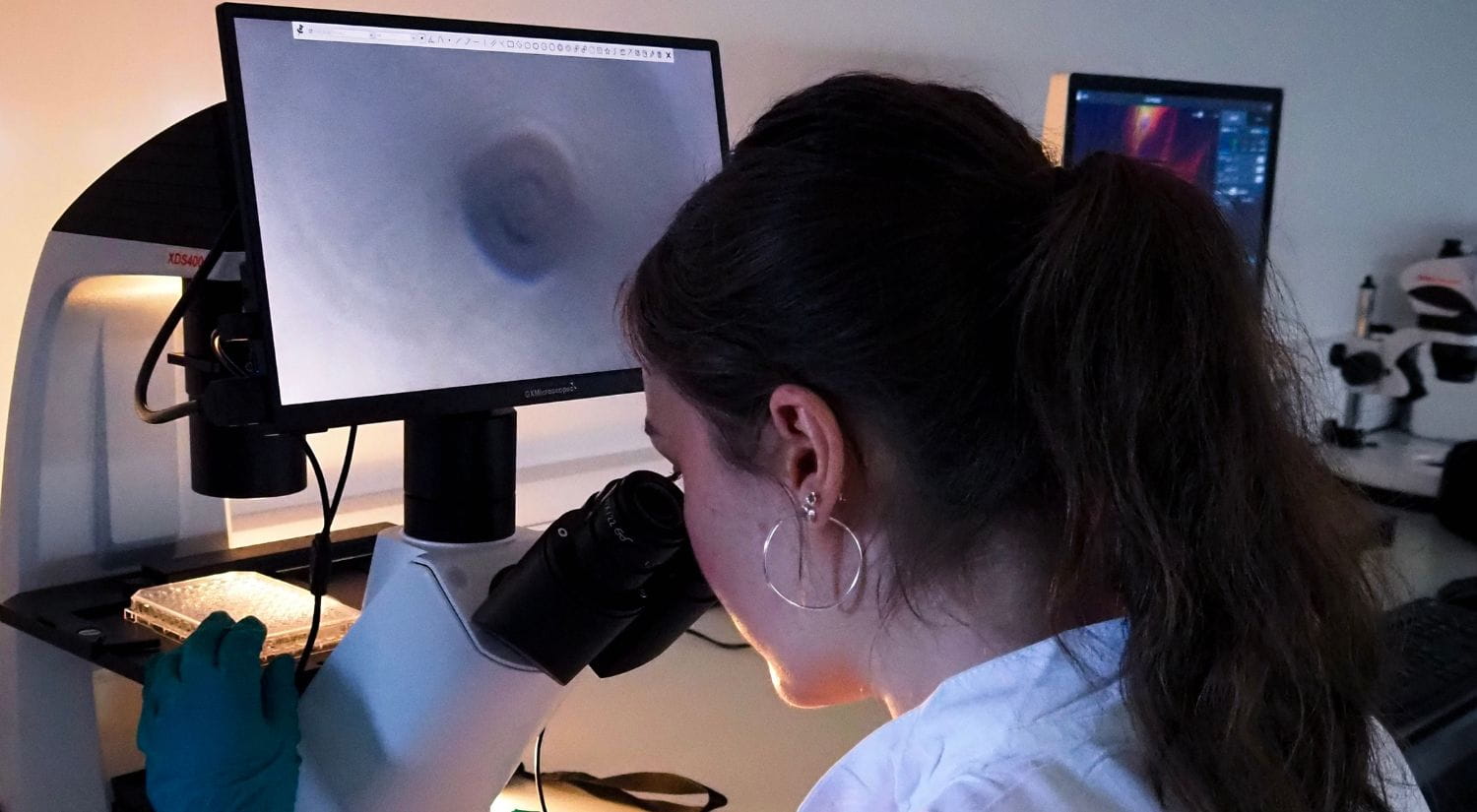
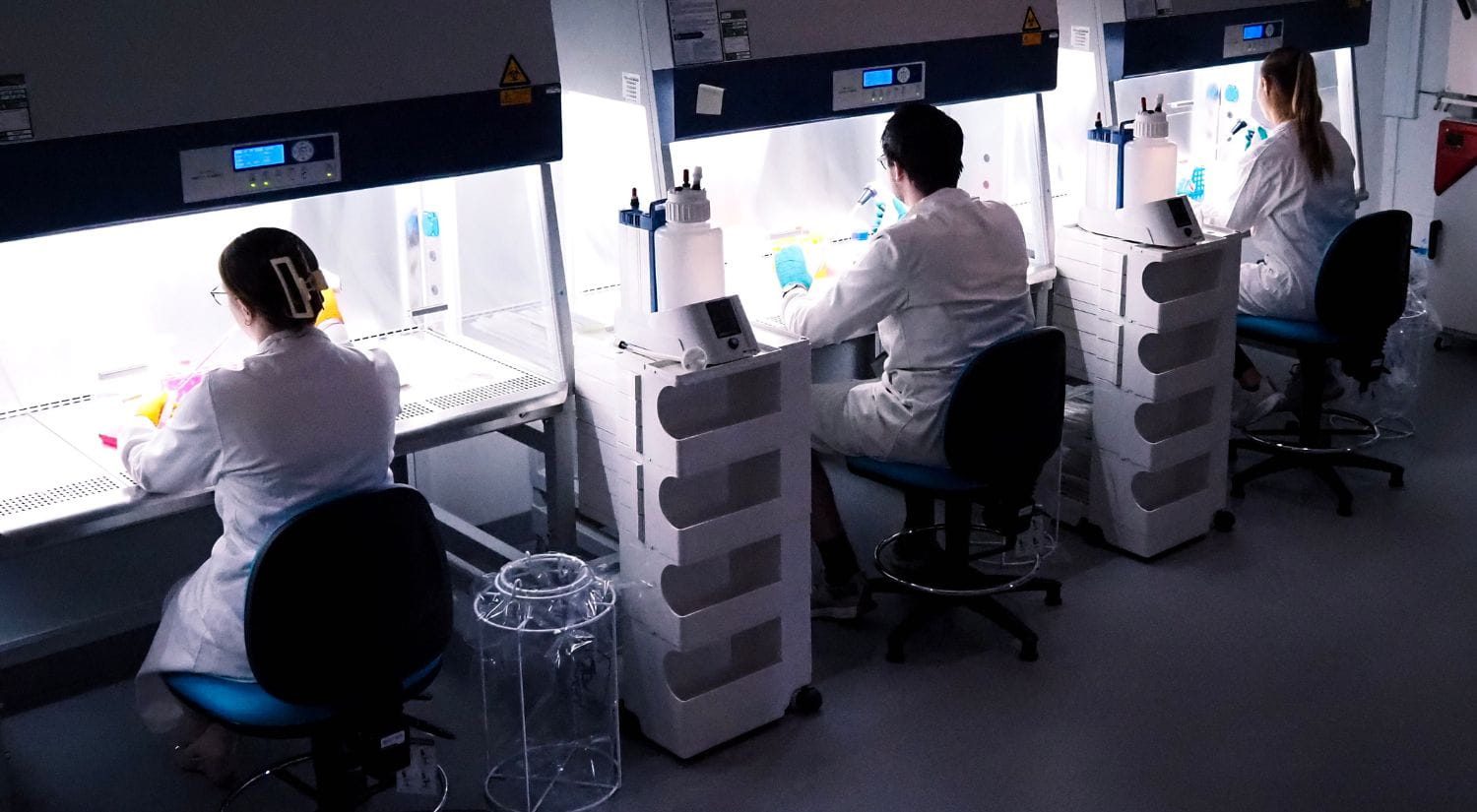
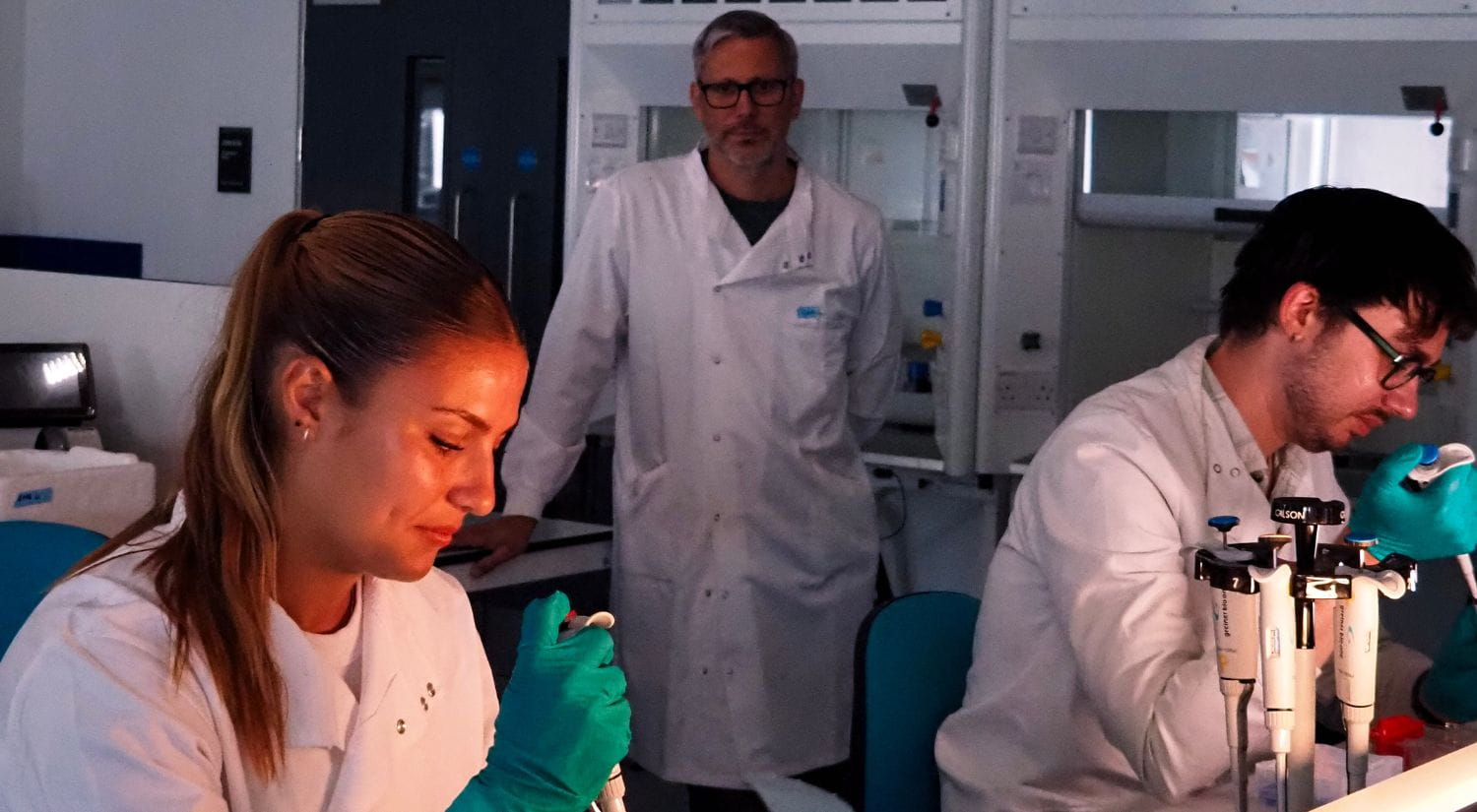
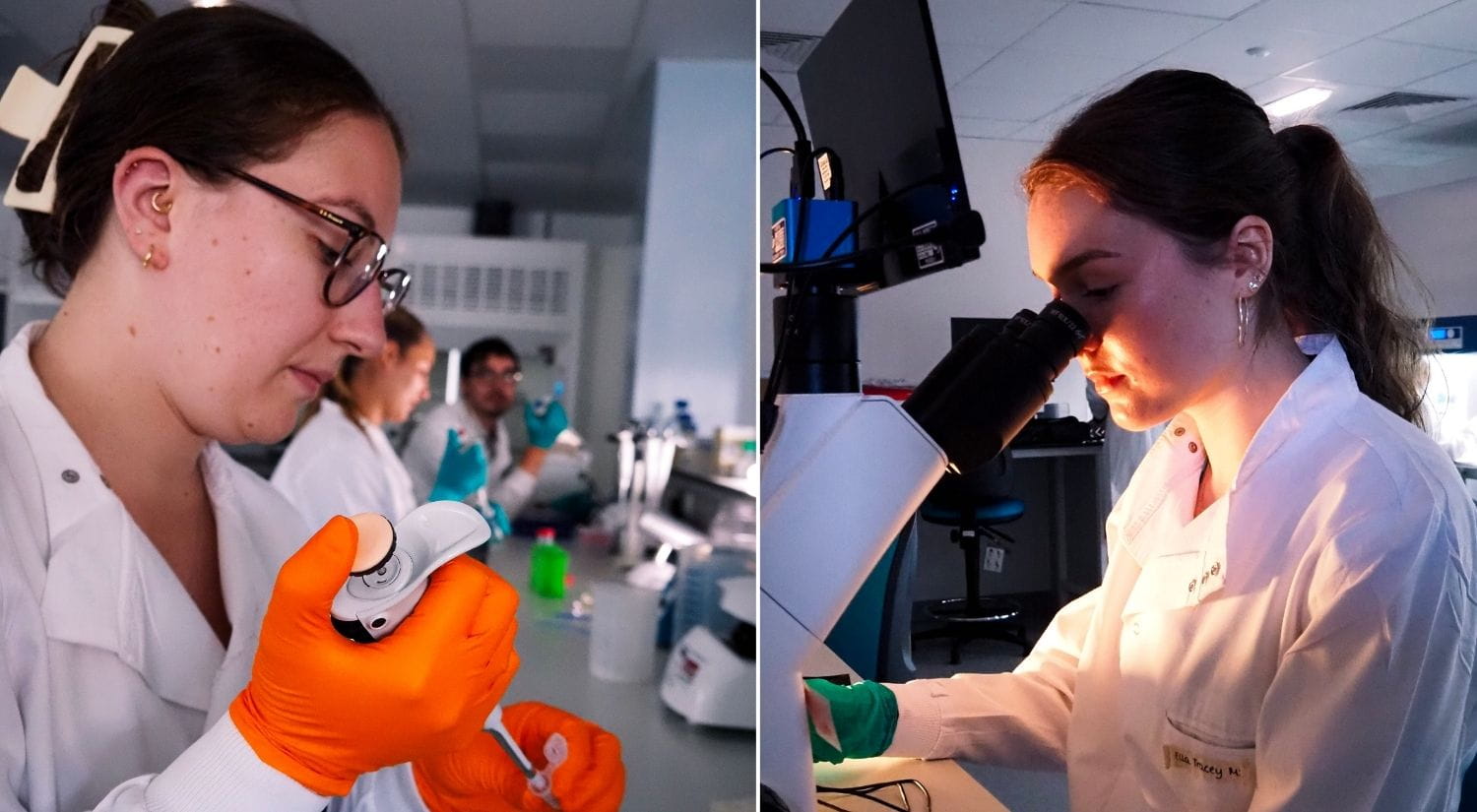
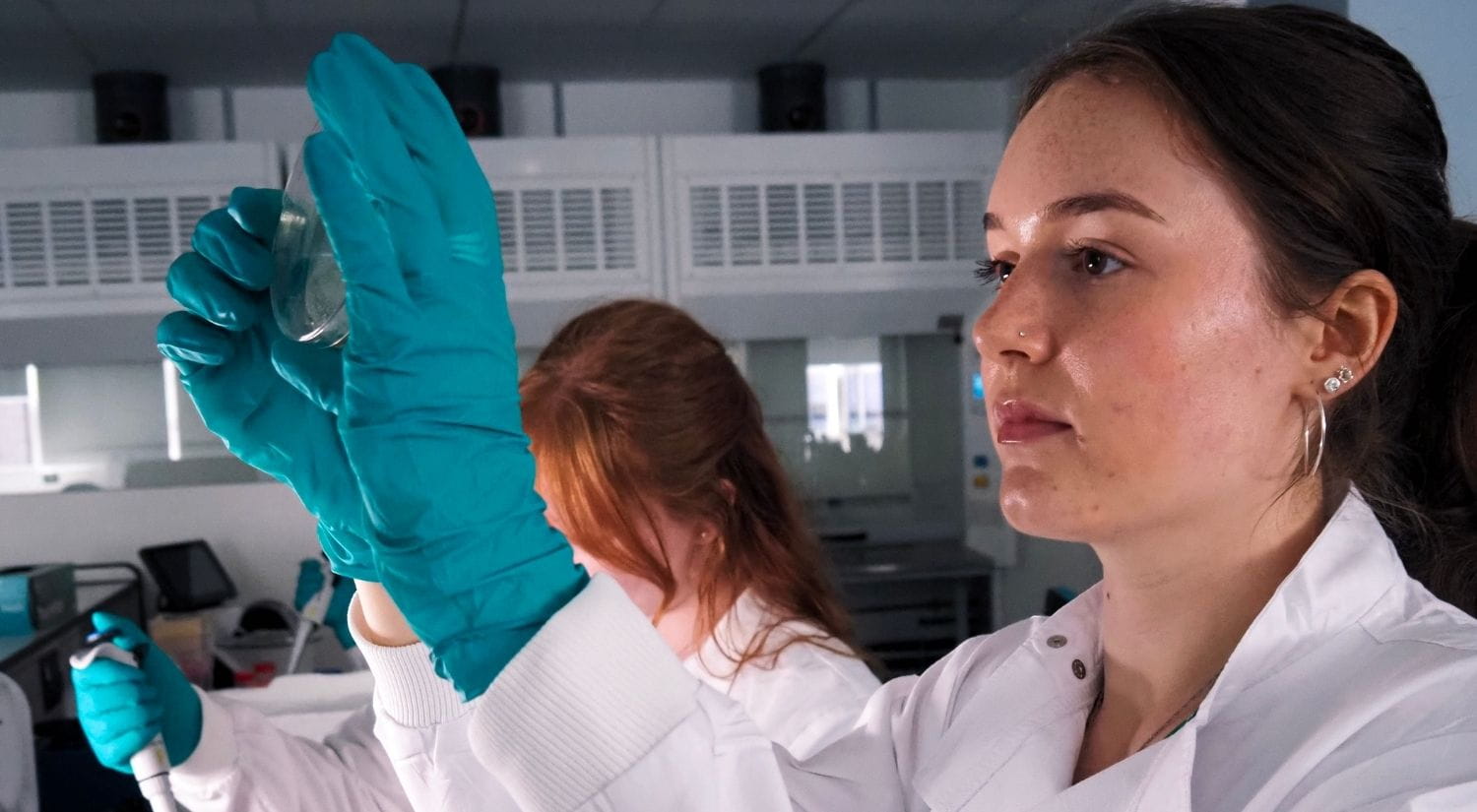
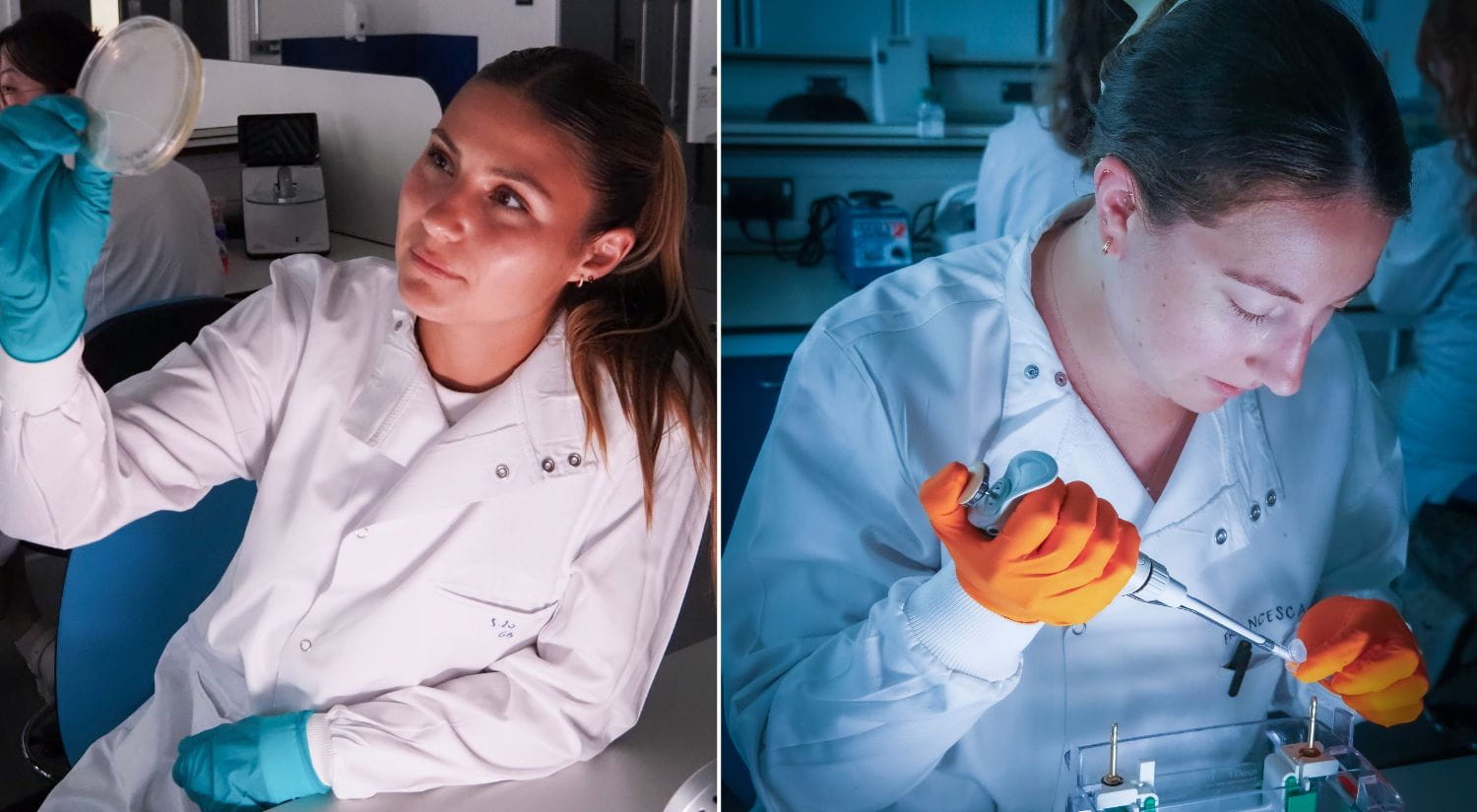
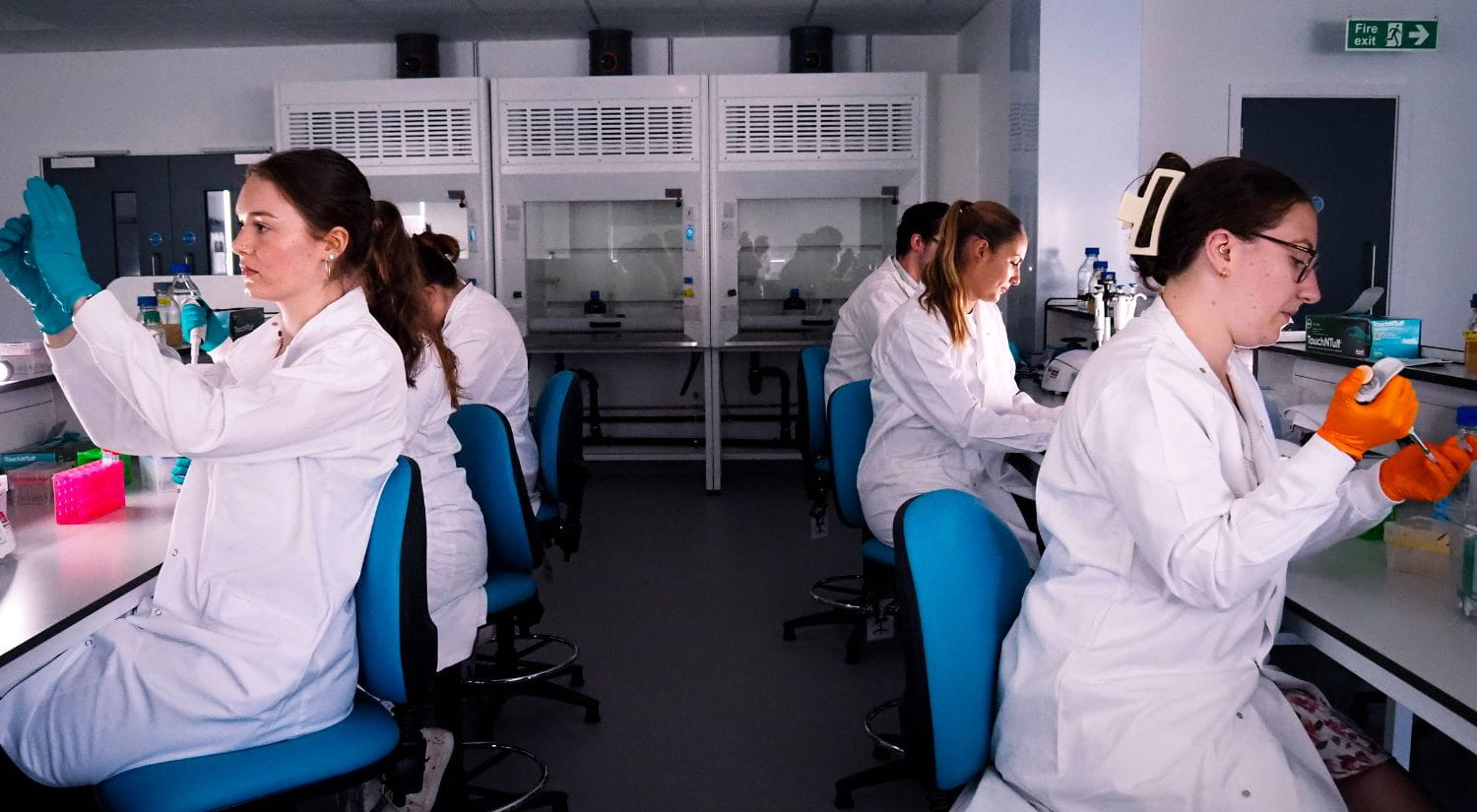
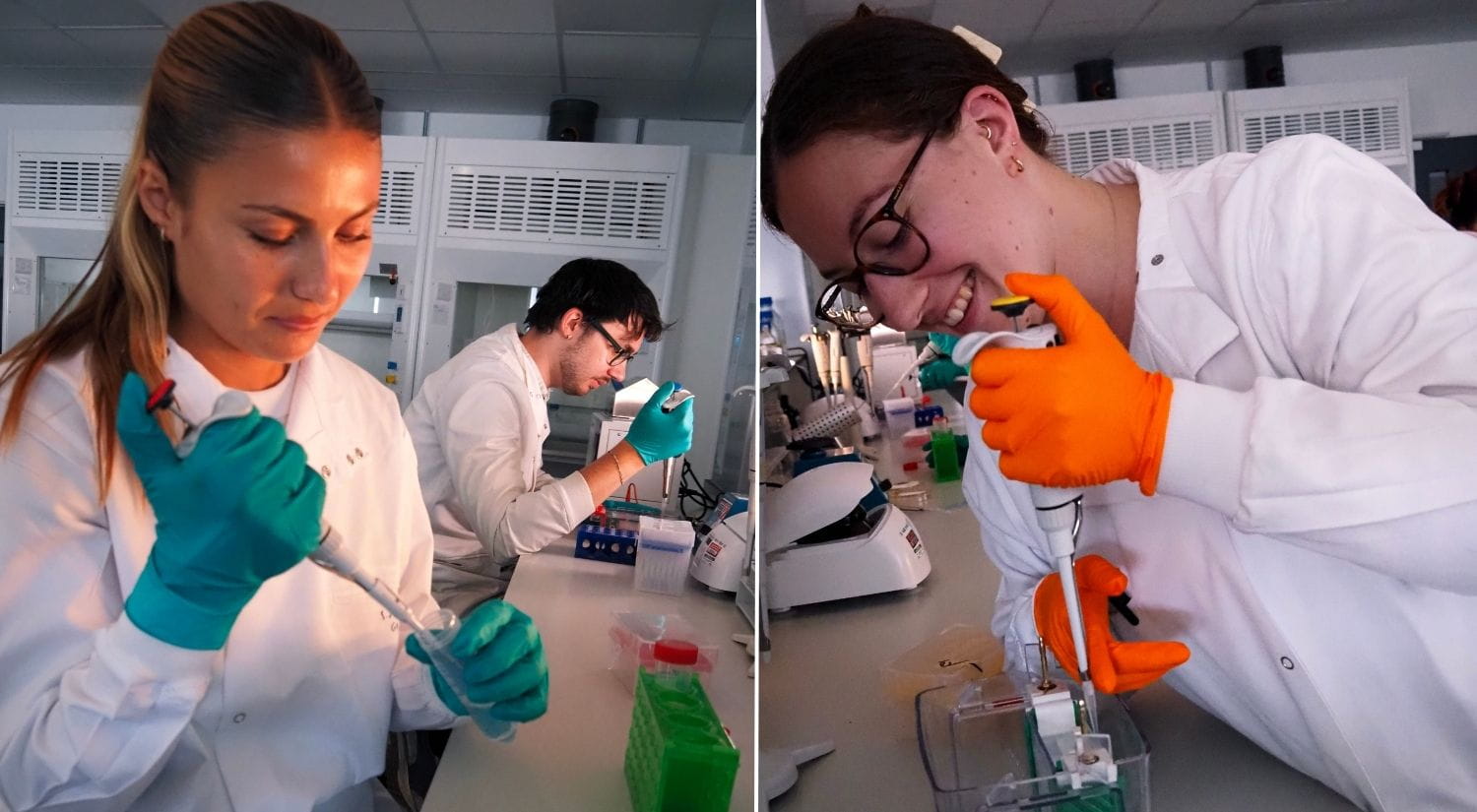
The Government-funded Bioscience Skills Training and Research Laboratory (BioSTAR-Lab) has opened to students at the University of Essex, giving them hands-on experience with the equipment and techniques used across modern healthcare and life-sciences laboratories.
It includes a dedicated cancer diagnostics laboratory, alongside specialist microbiology and molecular biology laboratories, where students will analyse cancer tissue samples, study infectious diseases and use molecular techniques before they graduate.
Professor Terry McGenity, Head of the School of Life Sciences, said: “Here at Essex, we are dedicated to providing a rounded education that is inspired by our world-leading research, which equips our students with the understanding, skills and experience they need to launch their careers in nationally important sectors.
“Hands-on, lab-based research projects provide a transformative experience for our final-year undergraduates and masters students.
“They allow all our students to become part of the research process by carrying out their project alongside experts, where they apply what they’ve learned, and develop critical understanding of a particular area, as well as new technical and analytical skills.
“This new facility will place us at the forefront of training students to be skilled and versatile critical thinkers, who will be ready to work in the NHS and life-sciences sectors.”
The investment comes at a time of growing demand for skilled life scientists across both the NHS and the private sector.
A 2025 report by the BioIndustry Association found the UK life-sciences sector will need around 70,000 new jobs by 2035, with a further 75,000 workers required to replace those leaving the workforce, highlighting the need to train the next generation of scientists.
The UK's life-sciences sector already employs more than 304,000 people across almost 6,850 businesses and generates £108.1 billion in annual turnover, making it one of the country's fastest-growing industries.
Students studying Biomedical Science, Biotechnology, Cancer Biology and related degrees will use the laboratories to carry out their research projects, building the practical experience increasingly sought by employers across the NHS, research institutes and the wider life-sciences sector.
The opening also comes as the University launches its first undergraduate Biotechnology degree, reflecting growing demand for graduates in a sector that develops vaccines, life-saving medicines and diagnostic technologies.
The opening also comes ahead of the UK Health Security Agency's move to Harlow, around 40 miles from the University's Colchester Campus, further strengthening opportunities for graduates within the region's growing life-sciences sector.
Professor Silke Paulmann, Executive Dean of the Faculty of Science and Health, said: “The new BioSTAR-Lab strengthens Essex's position as a leader in training the next generation of biomedical scientists and supports our commitment to addressing some of the most pressing challenges of our time.
“It brings together education, research and real-world application, creating opportunities for students to develop the expertise that will drive future advances in diagnostics, treatments and public health.
“It will help strengthen the talent pipeline that underpins innovation, economic growth and better health outcomes for communities across the UK.”
Biotechnology and engineering biology underpin many everyday medical advances, from vaccination programmes to improved cancer diagnosis and new treatments.
The £2.5 million BioSTAR-Lab was funded by the Office for Students to strengthen training in subjects critical to the UK's future workforce.
Pam Cox, MP for Colchester, said: “This fantastic new facility at the University of Essex is an investment in both our region and the future of healthcare.
“By giving students access to industry-standard equipment and practical laboratory experience, BioSTAR-Lab will help develop the skilled scientists and biomedical professionals our NHS and life-sciences sector need.
“I am proud to see Colchester playing a leading role in training the next generation of innovators whose work will improve diagnosis, treatment and patient care across the country.”