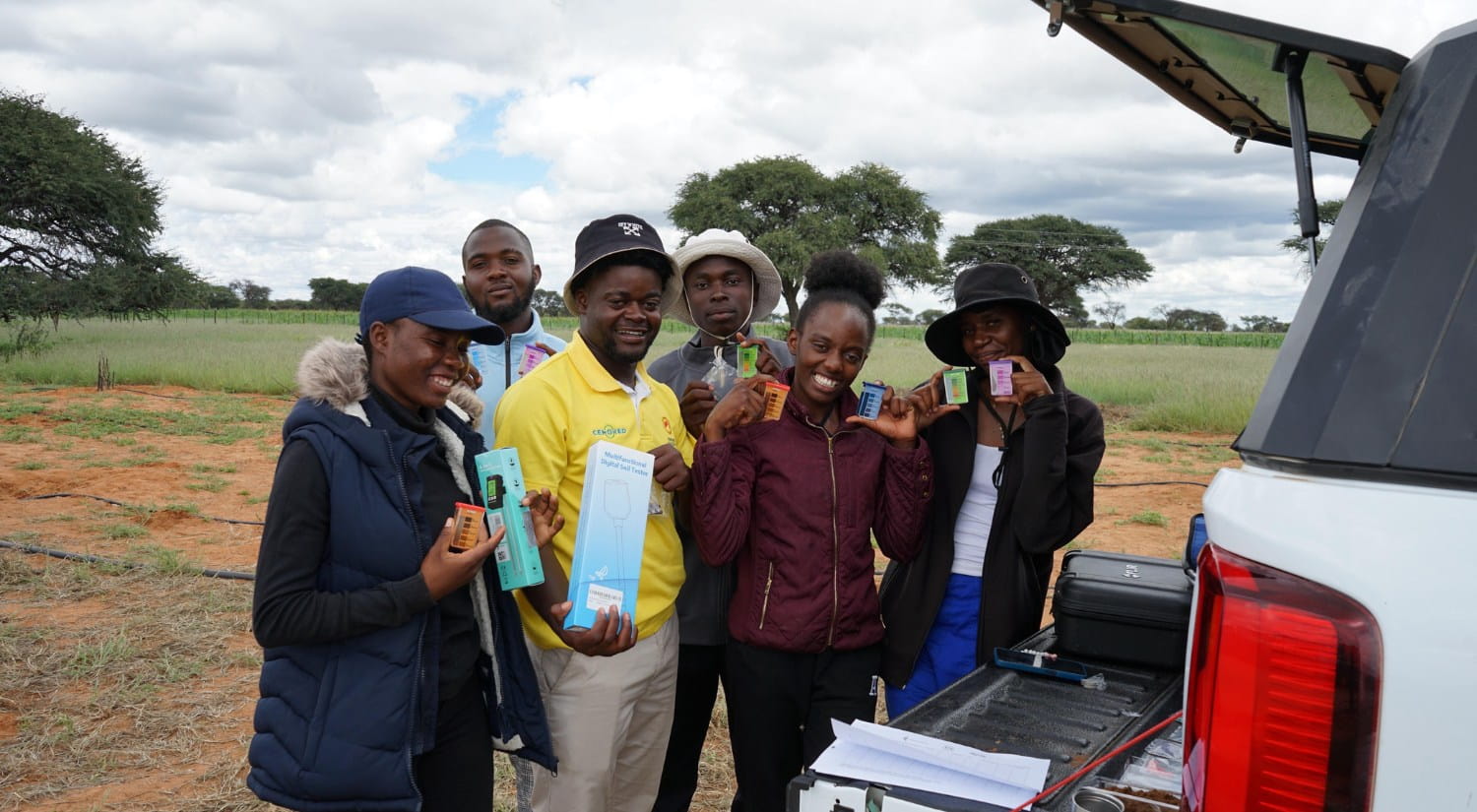
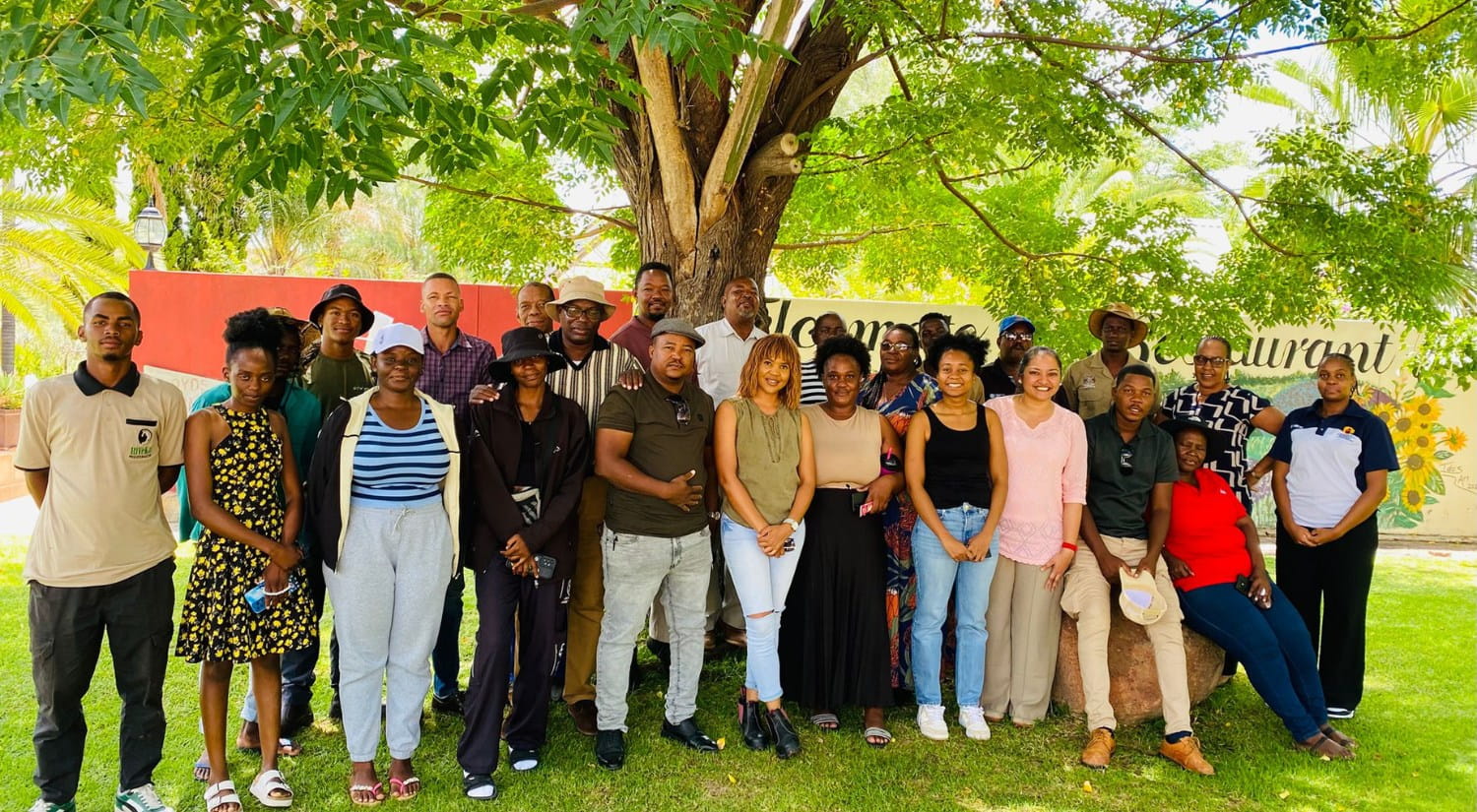
Supported by Omaheke Regional Governor Honourable Pijoo Nganate, they visited farms, carried out surveys and held discussions about the challenges facing local agriculture.
Farmers identified low rainfall, limited access to soil testing services and pest outbreaks as some of the biggest barriers to successful crop production.
Their experiences and feedback directly shaped the development of PhenoKits, a collection of practical crop and soil monitoring tools designed around the needs of farmers rather than laboratory conditions.
Ms Kandjoze said: "PhenoCoLab translates daily lab work into real-world meaning.
"Coming from an arid country where 70% of the population relies on agriculture, I wanted to bring our scientific tools to communities disproportionately affected by climate change.
"To do that, we had to build this project around the true experts: the farmers."
Drone demo
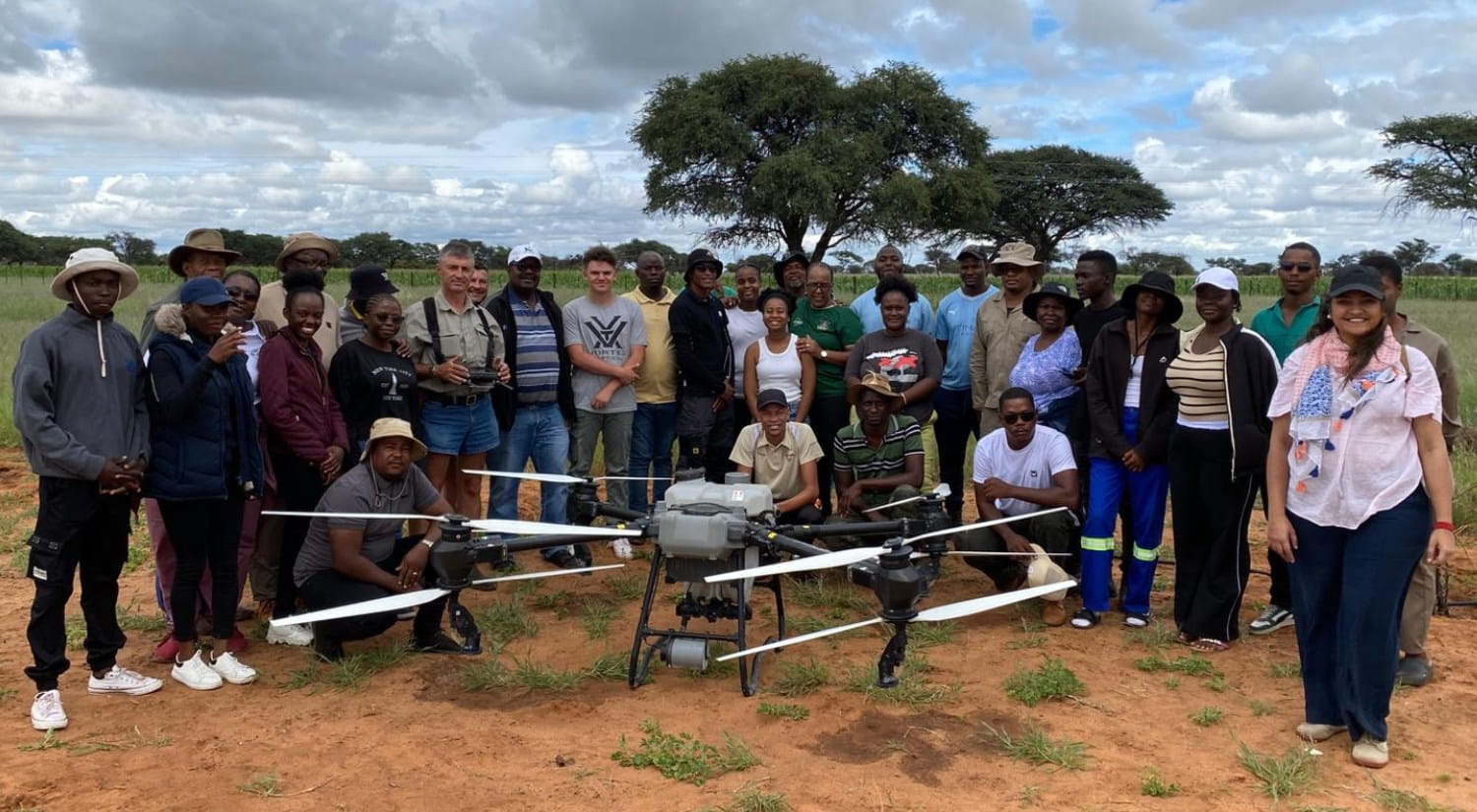
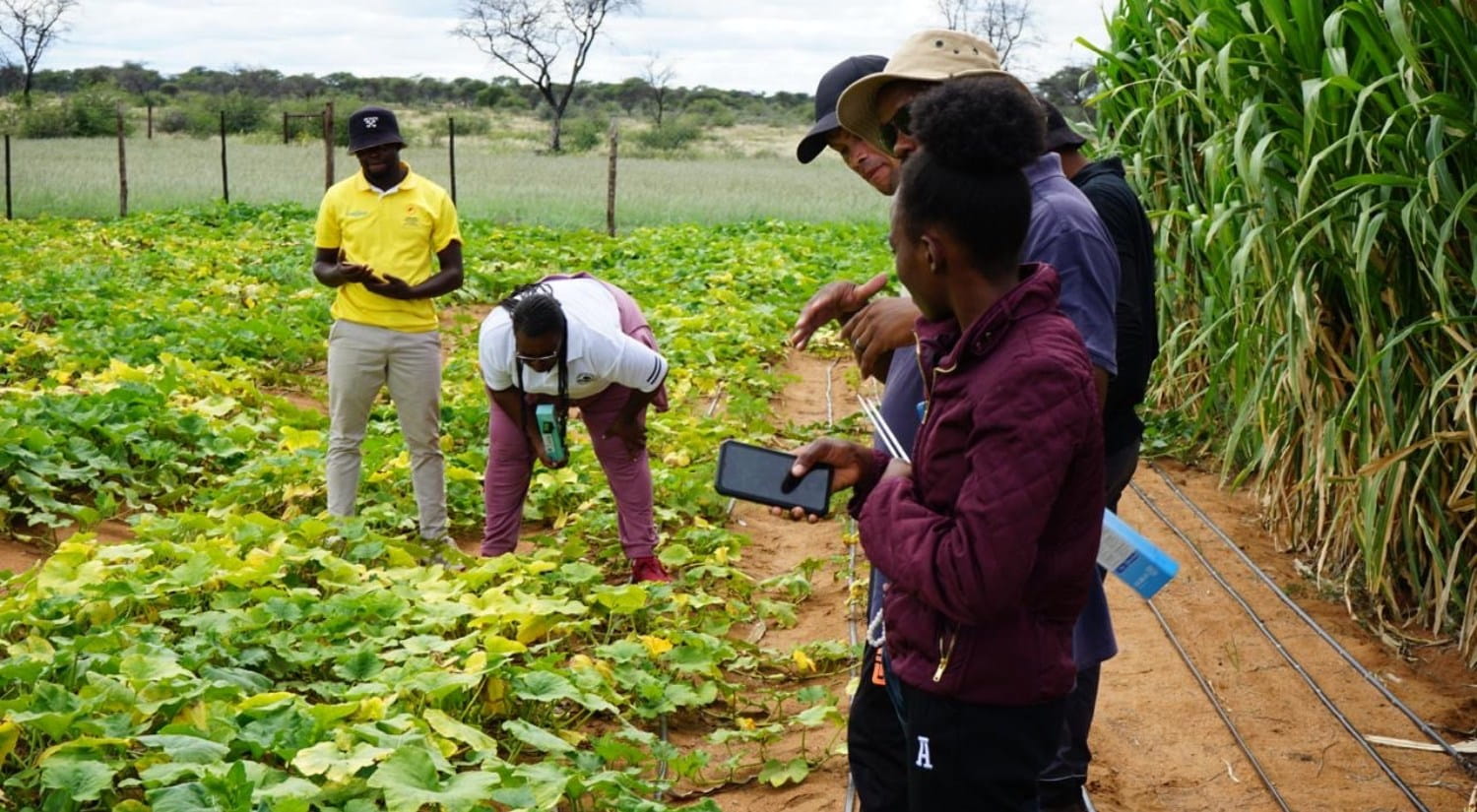
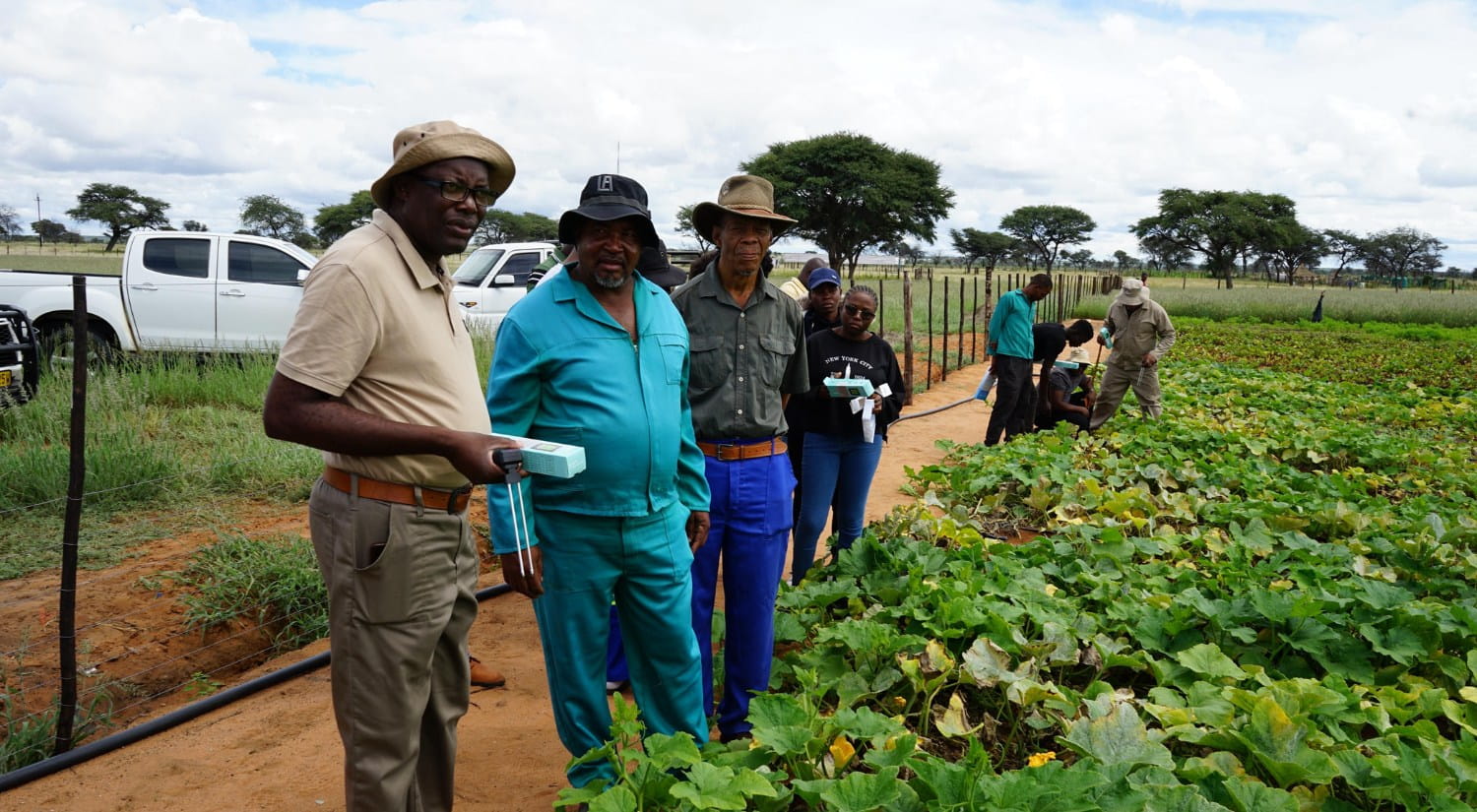
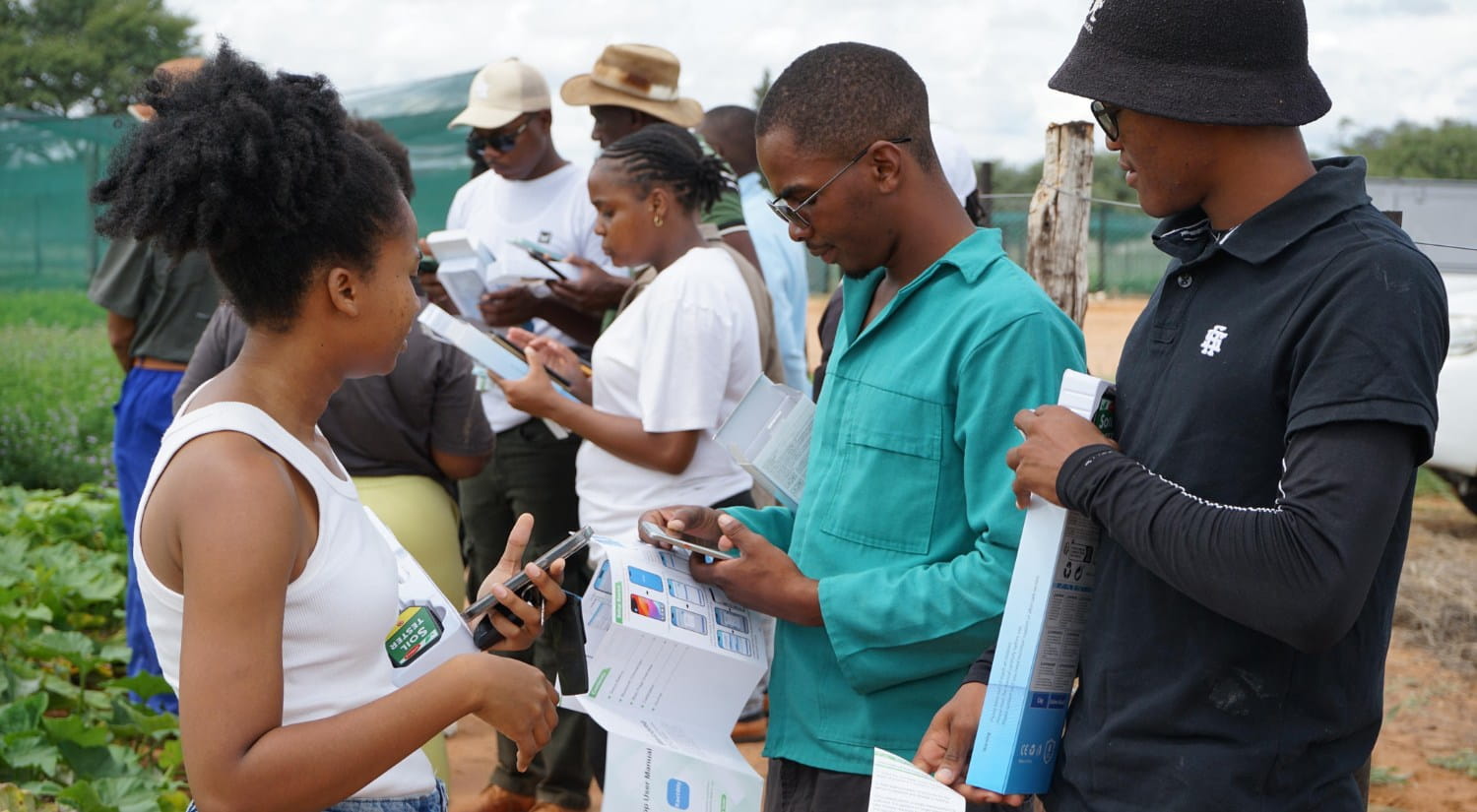
The project also included a two-day PhenoCamp workshop in Gobabis, where farmers and extension officers were introduced to portable technologies including soil testing kits, thermal cameras, chlorophyll meters, which measure photosynthesis, and drones.
Participants then put the equipment to work during hands-on sessions at Nuwe Hoop Community Garden, learning how information about soil health and crop growth could support day-to-day farming decisions.
One of the highlights was a drone demonstration showing how aerial surveys can identify signs of drought stress, disease, pest damage and nutrient shortages before they become visible on the ground.
The next phase of PhenoCoLab will focus on collecting field data to help develop digital decision-support tools that can provide farmers with timely information as climate pressures increase.
Researchers hope the project will demonstrate how agricultural technologies can be developed with farming communities rather than for them, helping ensure innovations are practical, affordable and capable of delivering real benefits where they are needed most.
Dr Singh said: "Climate change is one of the greatest threats to global food security, and farmers are on the frontline of this crisis.
"Through PhenoCoLab, we are combining cutting-edge crop science with the knowledge and experience of farming communities to co-create affordable technologies that deliver actionable insights, strengthen resilience and help secure sustainable food production for the future."
3.png?mw=300)